






The Final Verdict: 30 Days Visa-Free
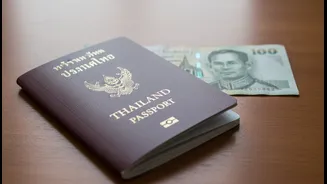
In a crucial decision for one of Southeast Asia's top travel destinations, the Thai Cabinet has approved a revised visa policy that maintains visa-free entry for Indian passport holders. However, the permitted stay has been adjusted from the previous
60-day temporary scheme to a standard 30-day period. This move comes after an earlier proposal in May 2026 suggested scrapping the visa-free facility for India altogether, which caused confusion and a notable drop in tourist arrivals from a key market. The government's reversal confirms the importance of Indian tourism, which is the third-largest source of visitors for Thailand, trailing only China and Malaysia. This new 30-day allowance is seen as more than sufficient, as the average stay for Indian tourists is around 7.2 days.
Balancing Act: Why Was the Policy Reviewed?
The comprehensive review of Thailand's visa framework stemmed from growing concerns within the government about the misuse of the generous 60-day visa exemption. Prime Minister Anutin Charnvirakul's administration has been keen to crack down on foreigners who exploit visa policies for illicit activities, including working illegally, running unauthorised businesses, and participating in transnational scam operations. Authorities linked the extended 60-day window to a rise in such cases, prompting a push for tighter controls. Deputy Government Spokeswoman Ploytalay Laksameesangchan stated the goal was not to limit tourism but to refine the system for better security and transparency, ensuring that visa measures are not used as a loophole for illegal activities.
The Power of Tourism
The decision to walk back the complete removal of the visa-free scheme for India underscores the immense economic power of tourism in Thailand. The industry is a primary economic driver, generating nearly US$50 billion from 33 million visitors in 2025 alone. When the initial proposal to end visa-free access for Indians caused a nearly 20% decline in arrivals, the economic impact was felt immediately. Tourism Minister Surasak Phancharoenworakul acknowledged that the confusion had hurt the vital industry, leading the cabinet to approve the 30-day visa-free entry to cater to the large Indian market. Studies have consistently shown that visa exemption policies have a positive correlation with Thailand's GDP, making them a powerful tool for economic stimulation.
A New, Standardised System
The latest policy revision is part of a broader overhaul designed to create a more uniform and manageable immigration system under the principle of "one country, one entitlement." The 60-day visa-free scheme, which was available to 93 countries, has been officially revoked. It is being replaced by a more streamlined structure where 59 countries, including all 27 European Union member states and now India, will receive a 30-day visa exemption. This standardisation is also expected to help Thailand in its negotiations for Schengen visa exemptions for its own citizens. To address the security concerns that prompted the review, authorities plan to enhance the Thailand Digital Arrival Card (TDAC) system for better screening and monitoring of foreign nationals.
What This Means for Your Next Trip
For the vast majority of Indian tourists planning a holiday to Thailand, this is excellent news. The 30-day visa-free stay is ample time for vacations, which typically last between five and ten days. You can continue to enter Thailand without obtaining a visa beforehand. However, it’s important to remember that the new rules will officially take effect 15 days after they are published in the Royal Gazette, the date of which has not yet been announced. Travellers who enter before the new rules are implemented will be permitted to stay for the duration allowed under the previous regulations. For those planning to stay longer than 30 days, applying for a proper Tourist Visa (TR) before departure will be necessary.