






The Foundation: Grains and Flours
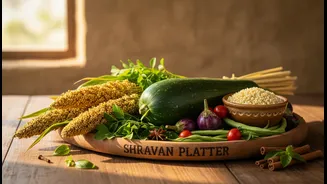
During Shravan, regular grains like wheat and rice are typically avoided. This is an opportunity to explore a variety of nutritious alternatives that are likely already in your kitchen or easily accessible. Flours such as rajgira (amaranth), kuttu (buckwheat),
and singhara (water chestnut) become staples. These are not only permitted for fasting but are also packed with nutrients. Rajgira, for instance, is a great source of protein and calcium. Kuttu is rich in fibre and essential minerals. You can use these flours to make rotis, puris, and cheelas that are both filling and compliant with vrat rules. Another key ingredient is samak rice, or barnyard millet. This versatile grain can be used to make a fluffy pulao or a creamy kheer, serving as a perfect substitute for regular rice.
Embrace Monsoon Vegetables
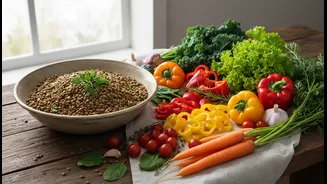
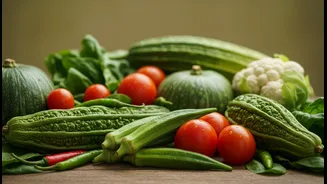
The monsoon season, which coincides with Shravan, offers a bounty of vegetables that are perfect for a sattvic diet. The core principle is to eat light and easily digestible foods, which is why many of these seasonal vegetables are ideal. Look for lauki (bottle gourd), pumpkin, arbi (colocasia), and sweet potatoes. Lauki, known for its hydrating properties, can be made into a simple curry or a delicious halwa. Potatoes and sweet potatoes provide a good source of energy for fasting days and can be prepared in numerous ways, from simple stir-fries with cumin to patties. Since onions and garlic are avoided, these vegetables are typically cooked with simple spices like cumin, green chillies, and ginger to create flavourful yet light dishes.
The Power of Dairy and Fruits
Dairy products are a cornerstone of the Shravan diet, providing essential protein and calcium to keep you full and energised. Milk, dahi (curd), paneer, and buttermilk are all excellent choices. A simple bowl of curd or a glass of lassi can be incredibly refreshing and fulfilling during a fast. Paneer can be crumbled into a bhurji (scrambled) with tomatoes and green chillies or added to vegetable curries. Fruits are also a must-have. Seasonal options that are abundant during the monsoon, such as bananas, apples, and pomegranates, provide natural sugars, vitamins, and hydration. They are perfect as a snack or as part of a larger meal to ensure you remain hydrated and nourished throughout the day.
Beyond Sabudana: Nuts and Seeds
While sabudana is a popular fasting food, it is high in starch and offers limited nutritional benefits. For sustained energy, turn to nuts and seeds. Almonds, walnuts, and peanuts are packed with healthy fats, protein, and fibre. A handful of roasted peanuts or soaked almonds can be a powerful snack to combat mid-day energy slumps. Makhana (fox nuts) are another excellent alternative. They are low in calories but rich in protein and magnesium. You can roast them with a little sendha namak (rock salt) for a crunchy snack or add them to kheer for a creamy, satisfying dessert. Using these ingredients adds texture, flavour, and a significant nutritional boost to your Shravan meals, moving beyond carb-heavy options.
Simple Meal Ideas for a Balanced Plate
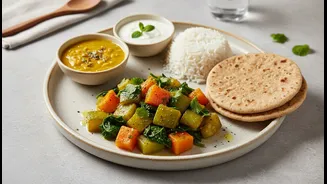
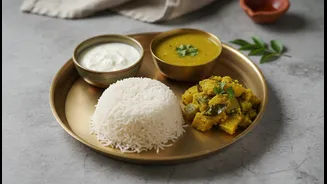
Putting it all together is simple. For a balanced lunch, you could pair kuttu ki puri (buckwheat flatbread) with a simple lauki or aloo curry. A samak rice pulao, cooked with diced potatoes, peanuts, and green chillies, makes for a complete and satisfying meal on its own. For a lighter dinner or breakfast, a bowl of fruit with fresh dahi and a sprinkle of chopped nuts provides a perfect mix of carbohydrates, protein, and fats. Another great option is a rajgira paratha served with a side of plain yoghurt. These combinations ensure you're getting a good balance of macronutrients, keeping you feeling energetic and nourished, not deprived, during your fast.