





1. Satellite Data Analyst
One of the fastest-growing roles in the space economy has little to do with building rockets and everything to do with the information they send back. Satellite data analysts are the interpreters of the cosmos, turning vast streams of data from Earth
observation satellites into actionable insights. These professionals use skills in Geographic Information Systems (GIS), machine learning, and programming languages like Python to help solve real-world problems. Their work powers everything from agricultural technology, where they help monitor crop health for insurance schemes, to urban planning, climate change monitoring, and disaster management. As companies like Pixxel and SatSure expand the 'downstream' segment of the space economy, the demand for data scientists who can make sense of the stars is skyrocketing.
2. Aerospace Software Engineer
Modern spacecraft are complex digital ecosystems, and aerospace software engineers are the architects of their digital brains. These roles are critical for developing the flight control systems, mission simulation software, ground station networks, and autonomous navigation systems that guide missions. This career path sits at the intersection of computer science and space exploration. Strong skills in coding languages like C++ and Python, combined with knowledge of embedded systems and artificial intelligence, are highly sought after by both ISRO and private firms like Skyroot Aerospace and AgniKul Cosmos. As missions become more ambitious and automated, the code written by these engineers is what ensures a satellite stays in its orbit or a lander touches down safely millions of miles away.
3. Space Systems Engineer
If software engineers build the brains, space systems engineers build the body and ensure all the parts work together seamlessly. This is a foundational role in both government agencies and private startups like Dhruva Space. A systems engineer oversees the entire lifecycle of a spacecraft, from initial design and integration of various components—like propulsion, avionics, and power systems—to testing and launch. They are the ultimate project managers of the engineering world, ensuring that the final product is a cohesive, functional satellite or launch vehicle. This career requires a broad understanding of multiple engineering disciplines, including mechanical, electrical, and aerospace, and is perfect for those who enjoy solving complex, multidisciplinary problems.
4. Space Policy and Law Advisor
As India's space sector becomes more crowded with private companies, the rules of the road are more important than ever. Space lawyers and policy advisors are the professionals who navigate this complex new territory. Their work involves advising government bodies like IN-SPACe, private launch providers, and satellite operators on a range of critical issues. This includes everything from international space treaties and liability for orbital debris to securing licenses for launches and managing intellectual property for new technologies. With over 400 private space startups now registered in India, this non-engineering field is becoming crucial for the sustainable growth of the entire ecosystem. A background in law, public policy, or international relations can be a gateway to shaping the future governance of space.
5. Space Communicator and Educator
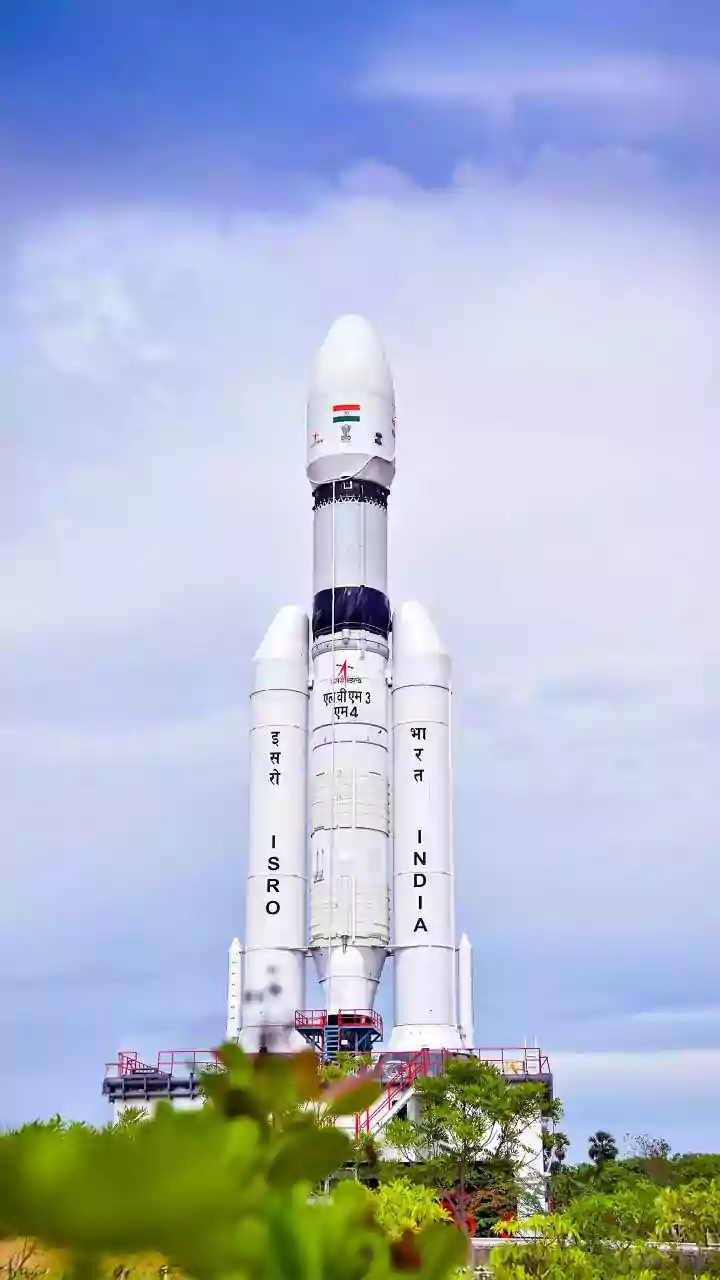
The success of missions like Chandrayaan-3 has ignited a nationwide passion for space, but this enthusiasm needs to be nurtured. Space communicators and educators play a vital role in bridging the gap between complex science and the public, investors, and the next generation of talent. Companies and educational platforms are increasingly hiring people with a talent for storytelling, marketing, and teaching to explain the importance of the space sector. These roles involve creating content, managing public relations, and developing STEM education programs that inspire students to pursue careers in the field. If you have a passion for space and a gift for communication, you can help build the ecosystem that supports India’s cosmic ambitions.