



Decoding the 'Monsoon Break'
A 'monsoon break' or 'gap' isn't a failed monsoon. Instead, it refers to a dry spell lasting from a few days to a few weeks that occurs during the active June-to-September season. While the country is technically in its rainy season, large areas experience
little to no precipitation during these periods. This phenomenon is caused by shifts in major weather patterns, such as the movement of the low-pressure area known as the monsoon trough. When this trough shifts, it can lead to a temporary halt in rainfall over the plains, even as it might cause heavy rain in the Himalayan foothills. These breaks are a natural part of the monsoon cycle but are becoming more concerning as their frequency and intensity appear to be changing.
The Crucial Mid-Season Squeeze
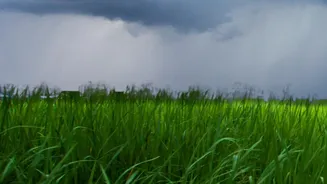
Timing is everything in agriculture, and monsoon gaps are most damaging when they occur in July and August. This is the critical mid-season period for India's Kharif (summer) crops, such as rice, pulses, soybean, and cotton. Plants at this stage are in their peak growth phase and require consistent soil moisture for flowering and grain development. A prolonged dry spell can cause immense stress, leading to wilting, poor grain filling, and significantly reduced yields. Unlike an early or late monsoon, which affects sowing, a mid-season gap damages crops that are already standing in the fields, representing a sunk cost for farmers in seeds, fertilizer, and labour.
The 2026 Season: A Story of Uneven Rains
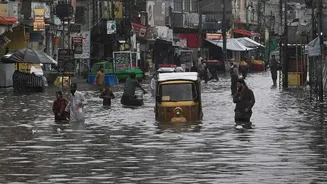
The 2026 monsoon season highlights the challenge. While some regions have received intense, heavy rainfall, others have faced significant deficits. As of mid-August, the national rainfall deficit was around 12%, but this figure masks stark regional disparities. Many key agricultural states like Bihar, Punjab, and parts of Karnataka and Andhra Pradesh have seen large shortfalls. Worryingly, dozens of India's top districts for producing rice, soybean, and maize are experiencing rainfall deficits. This uneven distribution means that even as low-pressure systems bring heavy rain to areas like Odisha and West Bengal, other crucial farming belts remain dry. This pattern of intense rain in some places and dry spells elsewhere demonstrates that seasonal totals alone do not guarantee a good harvest.
The Ripple Effect on the Economy
The impact of poor Kharif output extends far beyond the farm gate. With over 65% of India's farmland being rain-fed, a weak monsoon directly affects the agricultural gross value added (GVA) and can stoke food inflation. Lower production of essential commodities leads to tighter supply and higher prices in local markets, impacting household budgets across the country. For farmers, the financial strain is immediate. A damaged harvest can increase indebtedness and reduce their capacity to invest in the next planting season (Rabi). Furthermore, to save their Kharif crops, farmers may increase groundwater extraction, putting stress on already depleting reserves needed for winter crops.
Adapting to a New Reality
As climate change makes weather patterns more erratic, India's agricultural sector is being forced to adapt. The increasing frequency of extreme weather—from sudden floods to prolonged dry spells—is the new normal. In response, efforts are underway to build resilience. This includes promoting the use of drought-tolerant crop varieties, improving water-use efficiency through methods like drip and sprinkler irrigation, and better soil moisture conservation. Improving the accuracy and reach of weather forecasts is also critical, giving farmers the advance warning they need to make informed decisions. These strategies are vital for safeguarding the livelihoods of millions and ensuring the nation's food security in a more unpredictable future.