





What Does 'Ultra-Processed' Actually Mean?
It’s not just about food in a package. The term comes from the NOVA classification system, which groups foods by their level of industrial processing. Group 1 is unprocessed foods like fresh vegetables and fruits. Group 2 includes culinary ingredients
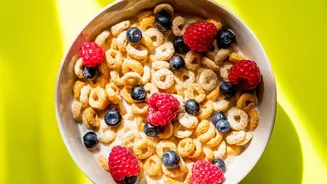
like oils, butter, and sugar. Group 3 is processed foods, such as canned vegetables or freshly made bread. The controversy centres on Group 4: ultra-processed foods (UPFs). These are industrial formulations made with substances not typically used in home cooking, including various additives to enhance flavour, texture, and shelf life. Think packaged cookies, sugary cereals, instant noodles, and fizzy drinks. The key difference is that UPFs are often designed to be hyper-palatable and convenient, containing little to no whole food.
The Established Health Risks
For years, a growing body of evidence has linked high consumption of UPFs to a range of health issues. Diets dominated by these foods are consistently associated with higher risks of obesity, type 2 diabetes, heart disease, and certain cancers. One major reason is their nutritional profile; they are typically high in added sugar, unhealthy fats, and salt, while being low in essential nutrients and fibre. This combination can lead to overconsumption and weight gain. In India, the rapid increase in UPF consumption, which grew at one of the highest rates globally between 2011 and 2021, has been linked to the country's rising burden of chronic diseases. Doctors are increasingly seeing younger patients with conditions like high blood pressure and cholesterol, a shift attributed to these changing dietary patterns.
What The Latest Science Reveals
Recent research has sharpened the focus on the dangers of a UPF-heavy diet. An extensive umbrella review, covering nearly 10 million people, found direct links between high UPF intake and 32 adverse health outcomes. The most convincing evidence pointed to a roughly 50% increased risk of cardiovascular disease-related death and a 48-53% higher risk of anxiety and common mental disorders. Furthermore, new studies from 2026 are adding even more detail. A March report highlighted that people consuming around nine servings of UPFs a day had a 67% higher risk of heart attacks or strokes. Another study from June 2026 suggests that the industrial processing itself—beyond just poor nutritional content—may be part of the problem, citing factors like changes to food structure and additives. Research presented in July 2026 even modeled that up to a third of heart disease cases could be attributable to UPF consumption.
Finding Nuance in a Complicated Picture
While the evidence against a diet dominated by UPFs is strong, experts caution against a black-and-white view. Not all processed foods are villains, and not all UPFs are created equal. For instance, a recent Harvard study presented in July 2026 argued that overall dietary quality is more important than the level of processing alone. A healthy diet rich in whole foods can still include some processed items without significant harm. The problem arises when UPFs displace whole foods, leading to a nutrient-poor diet. The goal is not to achieve an unrealistic level of dietary purity but to shift the balance. It’s about reducing the proportion of UPFs in your diet rather than eliminating them entirely, as some experts note that cutting them out completely isn't necessary for everyone.
A Practical Guide for the Indian Consumer
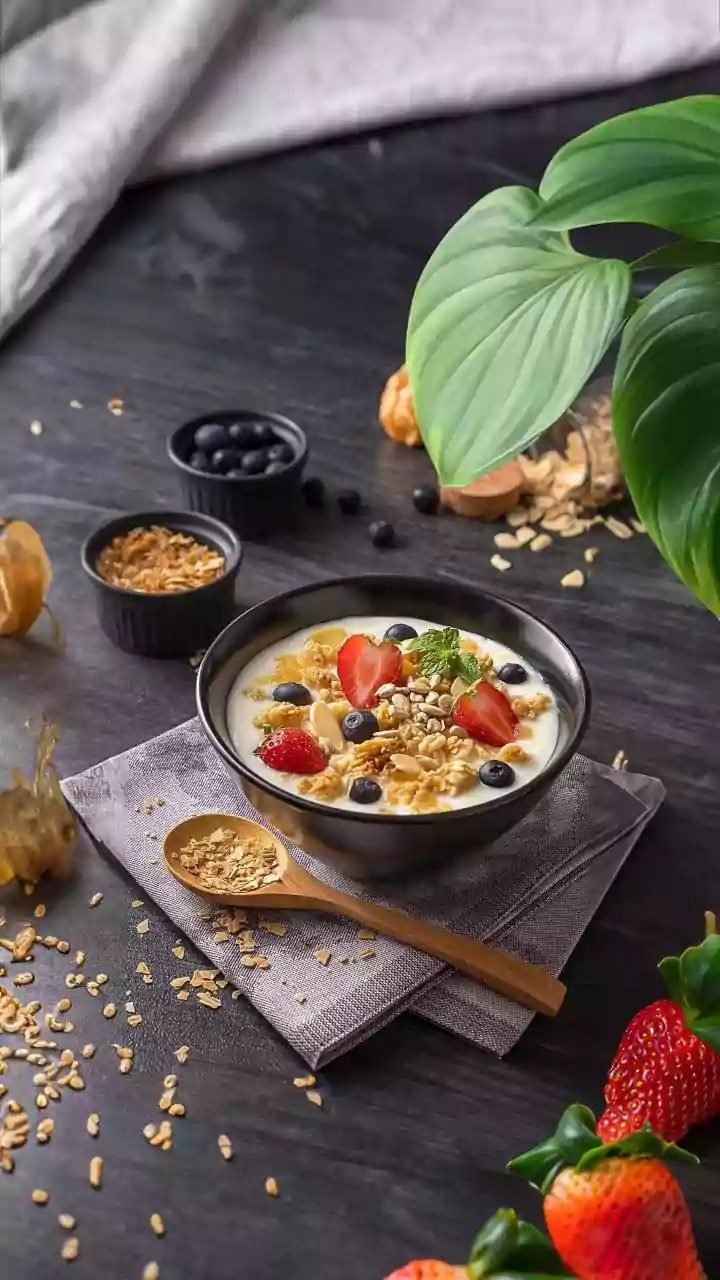
For families in India, navigating this landscape means making conscious, informed choices. Start by reading ingredient labels on packaged foods. If you see a long list of unfamiliar, chemical-sounding names, it's likely a UPF. Common culprits in Indian kitchens include sweet biscuits, packaged namkeens, instant noodles, and sugary fruit juices. Simple swaps can make a big difference. Try replacing a packaged evening snack with a piece of fruit, a handful of nuts, or a bowl of dahi. Prioritise cooking fresh meals when possible, which gives you control over ingredients like salt, sugar, and fat. The shift from traditional diets to Western-style processed foods is particularly pronounced among younger, urban Indians. Fostering a return to home-cooked meals using whole ingredients is a powerful step towards better long-term health.