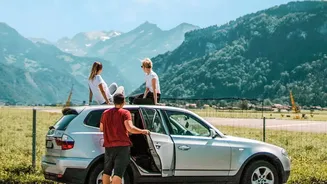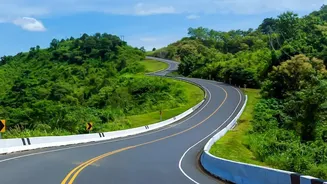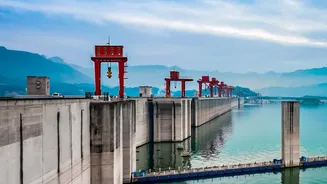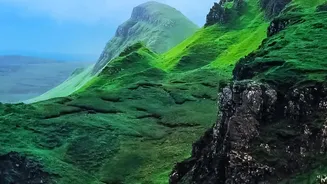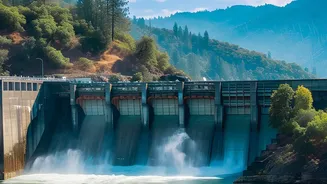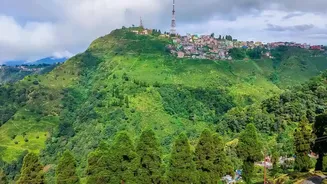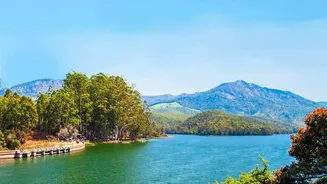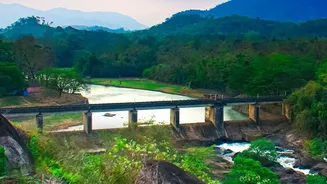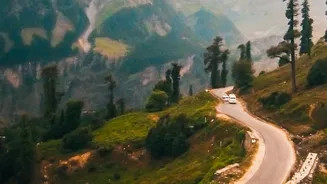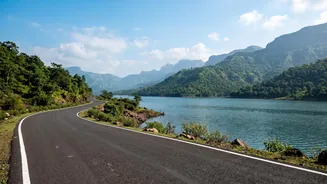




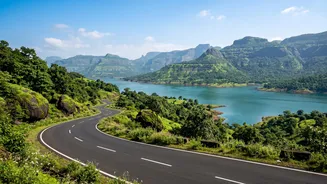
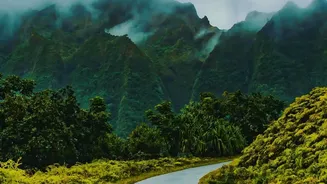
When the monsoon arrives, Maharashtra’s Sahyadri mountains transform into a lush, green paradise. This is the perfect time to escape the city and embark on a scenic road trip, with tranquil lakes and overflowing dams offering a spectacular backdrop.
The Allure of a Monsoon Drive
There's
a unique magic to exploring Maharashtra during the rainy season. The landscape, often dry and sun-scorched, awakens with vibrant greenery, and waterfalls cascade down hillsides where there were none before. A road trip centered around the state's numerous dams offers a front-row seat to this transformation. Drives to destinations like Bhandardara, Mulshi, and Pawna become less about the destination and more about the journey itself, with misty roads, cloud-covered peaks, and countless opportunities to stop for hot tea and pakoras at a roadside stall. These trips provide a refreshing break from urban life, immersing you in nature's dramatic seasonal display.
Top Dam-Side Destinations to Explore
For those starting from Mumbai or Pune, several key destinations offer the quintessential dam-side experience. Bhandardara, nestled by the Pravara River, is famous for the Wilson Dam and serene Arthur Lake. During peak monsoon, the Umbrella and Randha Falls are major attractions. Another popular choice is Mulshi Dam, located near Pune. The drive through the adjoining Tamhini Ghat is considered one of Maharashtra's most scenic routes, with dense fog and numerous waterfalls. Pawna Lake, accessible from both Mumbai and Pune, is a favourite for its picturesque campsites and forts like Tung and Tikona nearby. Other notable drives include trips to Panshet Dam for water sports and the massive Koyna Dam for its sheer scale and surrounding wildlife sanctuary.
When Is the Best Time to Go?
The monsoon season, from June to September, is undoubtedly the most popular time for these road trips. This is when the dams are full, the waterfalls are at their most powerful, and the entire region is covered in a thick green blanket. However, this period also presents challenges like heavy rainfall, fog, and potential landslides. For a slightly calmer experience, consider visiting just after the main monsoon months, from October to November. During this time, the landscape is still exceptionally green, the dams and lakes are full, but the roads are generally safer and less crowded. Winter, from December to February, offers pleasant weather perfect for lakeside camping and trekking, though the waterfalls will have subsided.
Essential Planning and Safety Tips
A successful lakeside road trip requires some preparation. Before you leave, ensure your vehicle is in top condition, paying special attention to tyres, wipers, and headlights. Check the weather forecast and any local advisories for your route and destination, as conditions can change rapidly. Packing essentials should include a first_aid kit, waterproof jackets, and sturdy footwear. While driving, especially in the ghat sections, it is crucial to go slow, maintain a safe distance from other vehicles, and use your horn on blind turns. Avoid sudden braking or acceleration on wet roads to prevent skidding. It's also wise to avoid driving on unfamiliar ghat roads after dark, as visibility can be extremely poor.
Driving in the Ghats
Navigating the winding ghat roads of the Sahyadris during monsoon demands extra caution. Reduced visibility due to heavy rain and fog is a common issue. Always drive at a reduced speed and be prepared for unexpected obstacles like potholes hidden under water or minor landslides. When driving downhill, use a lower gear to control your speed through engine braking rather than relying solely on your brakes, which can overheat. A widely followed rule of thumb on narrow mountain roads is to give way to traffic heading uphill. Anticipating the movement of other vehicles, especially larger buses and trucks that may need more space on turns, is key to a safe and stress_free drive.