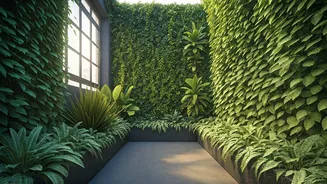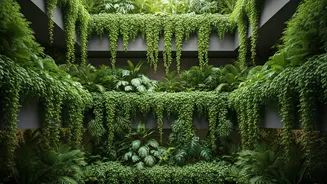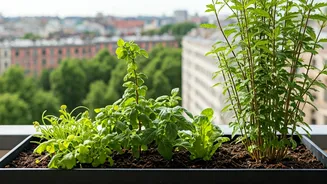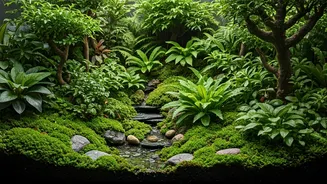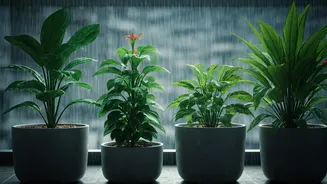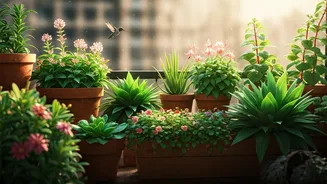




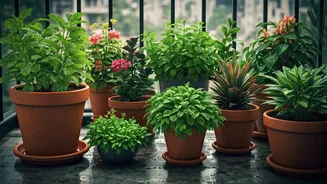


The Power of a Personal Forest
Even a small collection of plants can have a significant impact. Urban greenery acts as a natural air filter, absorbing pollutants and releasing clean oxygen. [3, 5] A dense green cover helps cool your home, reducing the urban heat island effect, which
is especially noticeable during India's harsh summers. [3, 4] Beyond the physical benefits, nurturing plants is therapeutic, reducing stress and improving mental well-being. [5, 6] Your mini-forest can also become a vital pocket of biodiversity, attracting birds, bees, and butterflies, and creating a tiny, thriving ecosystem. [3, 6]
Think in Layers, Like a Real Forest
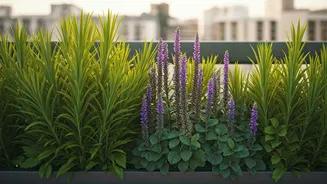
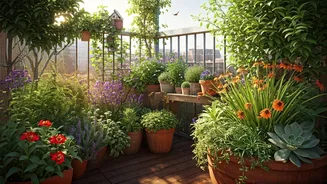
The secret to a forest-like feel, even in pots, is creating vertical layers. [21] This technique, inspired by natural forests and permaculture, maximizes your small space. [21, 23] By choosing plants of varying heights, you create a multi-dimensional garden that is visually appealing and healthy for the plants. [15, 25] The classic structure involves a tall 'canopy' layer, a medium 'understory' layer, and a low 'ground cover' or 'spiller' layer. [20, 21] This approach not only looks lush but also improves air circulation and can create natural shade for more delicate plants below. [8]
Start with the Right Foundation
Before you buy a single plant, consider your foundation: pots and soil. Ensure your pots have drainage holes to prevent waterlogging, a common issue, especially during monsoon season. [12, 19] For balconies, using lightweight grow bags or fibreglass pots can reduce the overall weight. [6, 11] The soil mix is crucial. A good-quality potting mix, often containing garden soil, compost for nutrients, and coco peat for moisture retention and aeration, is essential for container gardening. [6, 17] You can buy pre-made mixes or create your own to give your plants the best start.
Layer 1: The Tall Canopy
The canopy layer consists of your tallest plants, which create the primary structure and height. In a balcony setting, these won't be giant trees, but rather slender, upright plants that draw the eye upward. [15] Good choices for Indian climates include the Areca Palm, which is relatively low-maintenance, or a hardy curry leaf plant (kadi patta). [19, 27] A slender Ashoka (Polyalthia longifolia) can also work well for creating privacy. [22] For those with more space, a drumstick tree (Moringa) in a large, deep container can provide both height and a nutritious harvest. [29]
Layer 2: The Bushy Understory
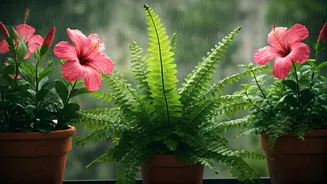
The understory fills the middle ground, adding fullness and texture. These are typically medium-sized, bushy plants that can tolerate some shade from the canopy layer. [21] Hardy, native options are always a great choice. [26] Consider plants like Hibiscus, Ixora, or different varieties of Jasmine (Mogra) for beautiful, fragrant flowers. [26] For foliage, Snake Plants and Ferns are excellent, low-maintenance choices that also help purify the air. [27] These plants will make your container garden feel dense and established.
Layer 3: The Forest Floor Spillers
The final layer is the ground cover or 'spiller' plants that trail over the edges of your pots. [20] This softens the look of the containers and makes the arrangement feel cohesive. The most popular and forgiving choice is the Money Plant (Pothos), which thrives in various light conditions. [32] Other great options include Creeping Jenny, English Ivy, or even sweet potato vines. [20, 21] For a touch of colour, flowering spillers like Petunia or Portulaca (Office Time) work beautifully in sunny spots. [10]
Caring for Your Miniature Ecosystem
A dense arrangement of plants requires mindful care. Check soil moisture before watering; overwatering is a common mistake, especially in humid or rainy weather. [11, 12] The 'finger test'—poking your finger an inch into the soil—is a reliable method. [18] Group plants with similar sunlight needs together. Most flowering plants will need 4-6 hours of sun, while foliage plants like ferns prefer shadier spots. [17, 18] Feed your plants with an organic liquid fertiliser every 15-20 days during growing seasons to replenish the nutrients in the limited pot soil. [13, 17] Finally, keep an eye out for pests. A regular spray of neem oil solution can act as a natural and effective preventative measure. [18]