

The Paw Priority: Clean and Dry After Every Walk
Your pet’s paws are on the front line, coming into direct contact with muddy water and hidden contaminants. This makes them ground zero for fungal and bacterial infections. The most crucial habit to adopt is cleaning and drying their paws after every
single outing. Use lukewarm water and a soft towel, paying special attention to the spaces between their toes where moisture loves to hide. For extra protection, consider trimming the fur around the paw pads to improve airflow and prevent debris from getting trapped. Applying a pet-safe paw balm can also create a protective barrier against moisture and irritants.
Coat Care: The Art of Staying Dry
A perpetually damp coat is a breeding ground for skin infections, hotspots, and that lingering “wet dog” smell. Never let your pet air-dry after getting wet in the rain. Use a highly absorbent microfibre towel to pat them down thoroughly, focusing on the underbelly, armpits, and tail area. For pets with thick or long fur, a blow-dryer on a low heat setting is essential to ensure the undercoat is completely dry. Regular brushing is also non-negotiable during the monsoon. It helps remove dirt, prevents matting that traps moisture, and allows the skin to breathe.
Bathing Strategy: Less Can Be More
While it might seem logical to bathe your pet more often during the muddy monsoon, over-bathing can strip their coat of natural oils, leading to dryness and irritation. A good rule of thumb is to bathe them only when necessary, perhaps every two to three weeks, unless they are exceptionally dirty. When you do bathe them, use a mild, vet-recommended anti-fungal or antibacterial shampoo to combat common monsoon skin issues. The most important step is to dry them completely after the bath, leaving no damp spots.
Parasite Patrol: Guarding Against Fleas and Ticks
The warm and humid monsoon weather is a paradise for fleas, ticks, and other parasites. These pests are not just an itchy nuisance; they can transmit serious diseases. Consistency with prevention is key. Consult your veterinarian for the most suitable preventive measures, which may include topical spot-on treatments, oral medications, or medicated collars. It is also wise to perform a quick check of your pet’s coat with a fine-toothed comb after they have been outdoors, especially if you have walked through grassy or dense vegetation.
Ear and Eye Maintenance
The increased humidity in the air means moisture can easily get trapped in your pet’s ears, creating an ideal environment for painful ear infections. This is especially true for breeds with long, floppy ears. Make it a habit to gently wipe your pet’s ears with a vet-approved cleanser and dry them thoroughly after any exposure to rain or after a bath. Check regularly for any signs of redness, unusual discharge, or a bad odour, which could signal an infection.
A Dry and Clean Environment
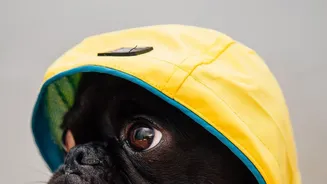
Your grooming efforts will be more effective if your pet’s living space is also kept clean and dry. Ensure their bedding is washed regularly in hot water and thoroughly dried, as damp bedding can harbour mould and bacteria. Keep your home well-ventilated to reduce overall indoor humidity. If your pet has a raincoat or boots, ensure these are completely dry before their next use.