







The New Travel Itinerary: A Moveable Feast
For years, food was a happy companion to travel—a pleasant part of the experience, but rarely the main reason for the journey. That is rapidly changing. Today, a significant number of Indian travellers are planning entire holidays around culinary experiences.
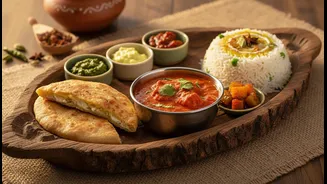
This is more than just wanting a good meal; it's about building an itinerary around a city's legendary street food, a region’s unique thali, or a specific local delicacy. Travel platforms report a substantial rise in food-led travel requests, indicating that for many, the destination is now chosen by its food culture. This shift marks the rise of the gastronomic tourist, who travels not just to see, but to taste.
What's Fuelling This Culinary Trend?
Several factors are stirring this appetite for food-focused travel. The rise of social media is a primary ingredient. Food bloggers and travel influencers showcasing vibrant, regional dishes have brought hidden culinary gems from across the country to our screens, creating a new kind of travel inspiration. Post-pandemic, there has also been a surge in domestic travel, with people eager for authentic, experiential trips that connect them to local culture, and food is the most direct way to do so. An increased interest in regional heritage, coupled with higher disposable income for many, has created the perfect recipe for this trend to flourish.
Beyond Butter Chicken and Biryani
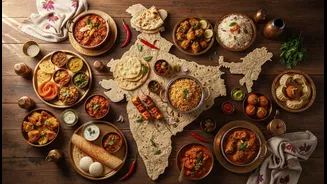
This trend is also about exploring the incredible diversity of Indian cuisine. Travellers are looking beyond well-known dishes and venturing into hyper-local food scenes. Journeys are being planned to savour the unique vegetarian cuisine of Jaipur, such as dal bati churma, or to explore the Indo-Portuguese flavours of Goa. The rich Nawabi and Awadhi cuisines of Lucknow, known for its succulent kebabs and biryanis, are a major draw. Similarly, the distinct blend of Bengali flavours with colonial influences in Kolkata offers a unique palate, from its famous sweets like Rosogolla to hearty fish curries. These trips are about discovering the stories and traditions behind the food, offering a deeper cultural immersion.
A Taste of Economic Growth
The rise of culinary tourism is not just a cultural phenomenon; it's a significant economic driver. This trend provides a vital boost to local economies, supporting everyone from small street food vendors and local farmers to homestay owners and restaurateurs. As travellers seek authentic experiences, they often spend money directly within communities, contributing to sustainable livelihoods. Some state governments have even launched initiatives to promote their unique culinary heritage, recognising food's power to attract tourists. This focus on food helps preserve traditional recipes and agricultural practices that might otherwise be lost to time.
Planning Your Next Culinary Journey
For those looking to embark on their own food-led adventure, the options are endless. One could plan a street food tour through the bustling lanes of Old Delhi or Mumbai, sampling everything from chaat to vada pav. A trip through Amritsar offers the hearty, buttery goodness of Punjabi food, including the legendary Amritsari Kulcha. For seafood lovers, the coastal belts of Kerala and Goa present a bounty of fresh catches prepared with local spices. Even specialised trips are gaining traction, like exploring coffee plantations in Coorg or tea estates in Darjeeling. The key is to arrive hungry and curious, ready to let your taste buds lead the way.