




The Unseen Dangers in a Damp Cloth
A damp kitchen cloth is an ideal environment for bacteria to thrive. The warmth, moisture, and tiny food particles create a perfect breeding ground for microbes. Studies have found that kitchen cloths can be heavily contaminated with various bacteria,
including coliform bacteria (found in 89% of towels in one study), E. coli, and Staphylococcus aureus. These pathogens can cause food poisoning and other illnesses. The real danger lies in cross-contamination. When you wipe a counter, then your hands, then a clean dish with the same contaminated cloth, you're essentially giving these harmful bacteria a free ride all around your kitchen, from surfaces to your food. A study from the University of Mauritius found that nearly half of the kitchen towels they tested after a month of use had bacterial growth, with the type of bacteria often linked to what the household ate and their hygiene habits.
Why Rinsing and Washing Isn't Enough
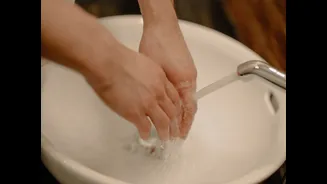
Many people believe a good rinse with soap and water is enough to clean a kitchen cloth. While washing is a critical first step, its benefits are undone if the cloth remains damp. Bacteria can regrow on a damp cloth within hours. One study noted that even after detergent washing, microbial contamination returned within 24 hours on cloths that were left damp. The key takeaway from multiple research projects is that moisture is the most significant factor promoting bacterial growth. Simply put, a wet cloth is a live cloth. The bad odours that often come from a kitchen cloth are a clear sign that bacteria are multiplying. Leaving a cloth crumpled in a ball on the sink or counter is the worst-case scenario, as it traps moisture and creates a perfect incubator.
The Power of a Proper Wash
To effectively combat bacteria, your cleaning routine needs to be robust. First, consider changing your cloths frequently. Many food safety experts recommend changing your kitchen towel daily, or even after a single use if it was used to clean up juices from raw meat or poultry. When it's time to wash, heat is your best ally. Launder your kitchen cloths and towels in the hot cycle of your washing machine. Hot water helps to kill germs and works with your detergent more effectively. It's also wise to wash them in a separate load from your regular clothes to prevent any potential cross-contamination. Adding vinegar to the wash cycle can help eliminate stubborn odours. For a deeper clean, some experts suggest boiling the cloths in water for several minutes before washing.
The Crucial Final Step: Thorough Drying
Drying is the step that makes the entire cleaning process effective. After washing, kitchen cloths must be dried completely, preferably on a high heat setting in a dryer. If you don't have a dryer, hang them up to air dry. The goal is to eliminate all moisture as quickly as possible. Hanging a cloth allows air to circulate, which speeds up drying and prevents that musty smell from developing. Never leave a damp towel bunched up on the counter or in the laundry basket. A cloth that is allowed to dry fully between uses is far less likely to harbour significant bacterial growth. This simple act of ensuring complete dryness is what truly separates a clean cloth from a contaminated one.
A Simple Routine for Kitchen Hygiene
Building a good habit is the easiest way to maintain a clean kitchen. First, try to use separate cloths for different tasks—one for drying clean dishes, another for wiping hands, and a third for cleaning surfaces. This simple separation drastically reduces the risk of cross-contamination. After each use, rinse the cloth well and hang it where it can air dry completely. A dedicated hook or rail is perfect for this. Make it a habit to put your used kitchen cloths into the laundry at the end of each day. Start every morning with a fresh, clean, and completely dry cloth. For high-risk messes, like spills from raw meat, consider using a single-use paper towel to avoid contaminating your reusable cloth altogether.