


Hiring Your Clothes for a Job
The idea that we 'hire' products to do a 'job' comes from the world of business strategy, notably from the work of the late Harvard Business School professor Clayton Christensen. The theory suggests that people don't just buy products; they hire them
to make progress or solve a problem in their lives. This framework can be powerfully applied to fashion. Instead of asking, "Do I like this?" start by asking, "What job am I hiring this piece of clothing to do?". This simple question reframes a purchase from an emotional impulse to a strategic decision. A garment’s ‘job’ is the specific role it plays, the problem it solves, or the feeling it helps you achieve in a particular context.
Defining the Job Description
Before you even head to a store or browse online, think about the gaps in your wardrobe. What situations in your life do you feel unprepared for, style-wise? That’s where you have a job opening. A job description for a piece of clothing has functional, emotional, and social dimensions. Ask yourself specific questions. For a functional job: Do I need a comfortable but professional top for video calls? Do I need durable pants for weekend walks? For an emotional job: Do I need an outfit that makes me feel confident during a big presentation? Do I need a soft, comforting sweater for relaxing at home? And for a social job: What do I need to wear to an upcoming wedding that fits the dress code and makes me feel like myself?. The more detailed the job description, the better your hiring decision will be.
Conducting the 'Job Interview'
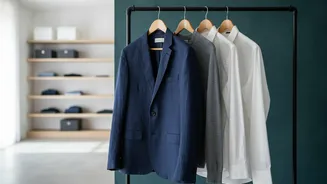
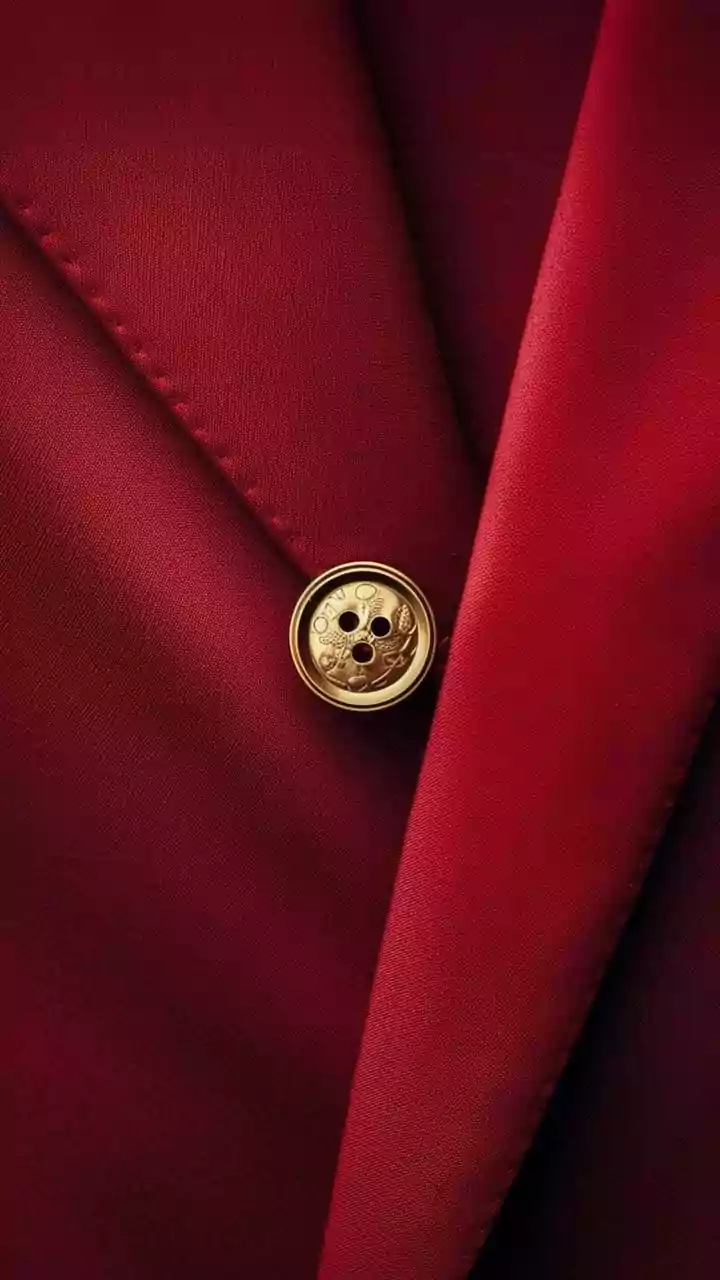
Once you've found a potential 'candidate'—a shirt, a dress, a pair of jeans—it's time for the interview. This is where you assess its qualifications. Does it truly meet the requirements you outlined? Consider the fabric, fit, and construction. A blazer hired for the job of 'making me look polished in important meetings' needs to be well-structured and made of quality material. A t-shirt hired for 'effortless weekend style' needs to be comfortable, hold its shape, and pair well with other items. This is also the time to consider versatility. Can this item perform more than one job? A classic trench coat might be hired for 'keeping me dry on rainy commutes' but can also do the job of 'elevating a simple jeans-and-t-shirt look'. The more jobs an item can do, the more valuable it is to your wardrobe 'team'.
The Benefits of Purposeful Purchasing
Adopting this mindset has several profound benefits. Firstly, it drastically reduces impulse buys and purchasing mistakes, saving you money in the long run. You stop accumulating 'wardrobe orphans'—those beautiful but impractical items that never get worn. Secondly, it reduces decision fatigue. Getting dressed becomes easier and more enjoyable when your closet is filled with pieces you've purposefully selected to work for your actual life. Thirdly, it leads to a more sustainable and mindful approach to fashion. By focusing on needs and longevity, you naturally move away from the fast-fashion cycle of disposable trends and invest in quality pieces you'll wear for years. Finally, it helps you define and refine your personal style. Your wardrobe starts to become a true reflection of who you are and the life you lead, rather than a collection of random trends.
Auditing Your Current 'Employees'
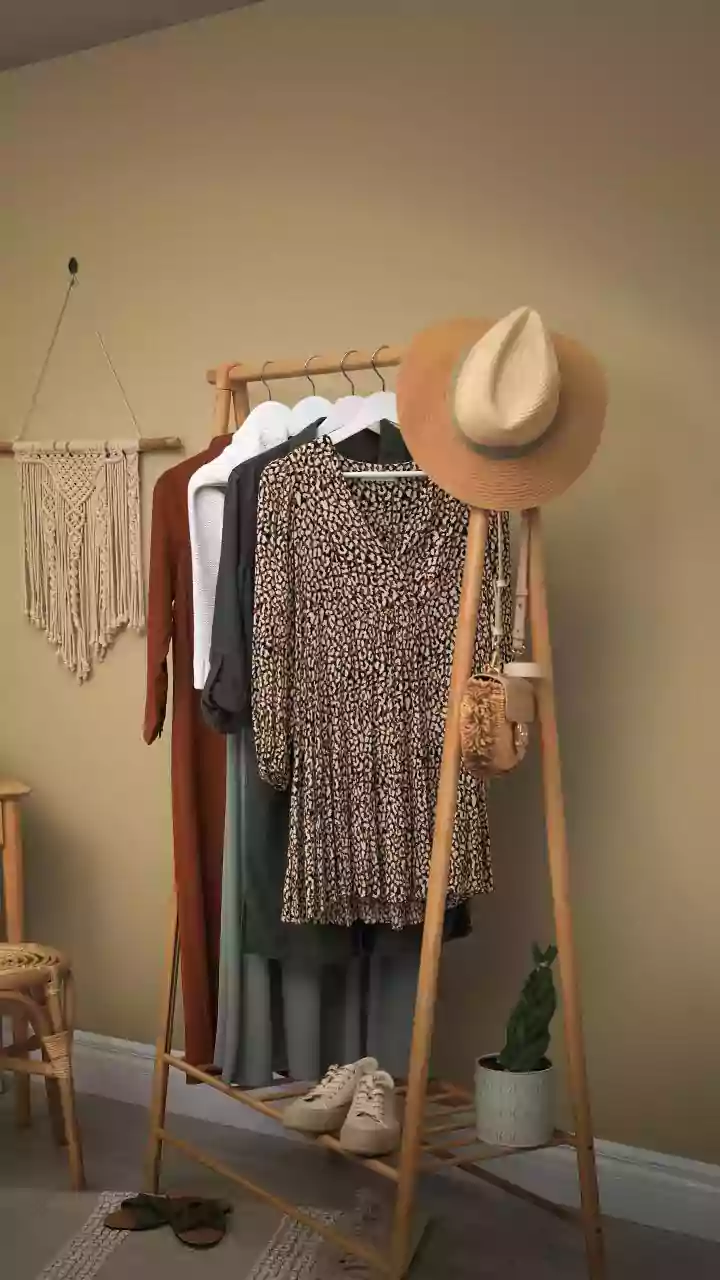
This framework isn't just for new purchases; it's a powerful tool for decluttering your existing closet. Go through your wardrobe and give every item a job review. For each piece, ask: What job did I hire this to do? Is it still performing that job well? If an item is no longer doing its job—it doesn't fit, it's worn out, or your lifestyle has changed—it might be time to 'fire' it by donating, selling, or recycling it. You may also discover that some items are great at their jobs, which helps you understand what to look for in future purchases. This audit clarifies what you truly have and highlights the real job openings you need to fill, making your next shopping trip a focused and successful mission.