


The Speed of the Machine
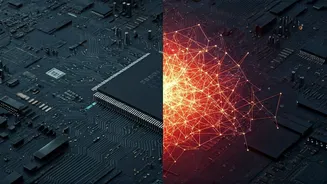
There is no denying the sheer velocity and scale of AI-driven creation. Generative AI tools can produce thousands of images, compose musical scores, or draft articles in the time it takes a human artist to sketch a single idea. These systems are trained
on vast datasets of existing human works, allowing them to recognise and replicate patterns with astounding efficiency. For businesses and professionals, this offers a powerful advantage. AI can automate repetitive tasks, generate concepts for brainstorming sessions, and accelerate production timelines in fields like advertising, gaming, and design. This efficiency frees up human creators from tedious work, allowing them to focus on bigger-picture thinking and experimentation. The machine’s ability to rapidly iterate and explore countless variations can push creative projects in unexpected directions.
The Meaning of 'Purpose'
While AI excels at speed, the headline's core assertion points to a uniquely human domain: purpose. Human creativity is not just about producing something new; it's about embedding it with meaning. This purpose is born from a complex tapestry of lived experiences, emotions, cultural context, and personal intuition. An artist’s joy, a writer’s grief, or a musician’s nostalgia are not data points to be processed; they are the very soul of the work. These emotions shape creative decisions, from a painter's brushstroke to a poet's choice of words. AI, for all its technical prowess, lacks emotional intelligence and consciousness. It simulates creativity based on patterns it has learned, but it doesn't feel or understand the human condition. Its creations are sophisticated remixes of existing data, whereas human art originates from a place of genuine intent.
Beyond the Algorithm
AI's creativity is fundamentally different from ours. It operates on mathematical probabilities, choosing the next word or pixel based on what is most statistically likely to fit a pattern. This can lead to outputs that are technically impressive but lack genuine originality or the emotional depth that resonates with an audience. While AI can generate novel combinations, it struggles to create truly groundbreaking concepts because it is tethered to its training data. It can’t have a sudden moment of insight unrelated to its inputs, nor can it make a deliberate choice to break rules for artistic effect. True innovation often comes from challenging norms and taking creative risks, something AI is not designed to do. Because it relies on existing works, there are also significant concerns about originality and copyright, blurring the line between inspiration and duplication.
A New Creative Partnership
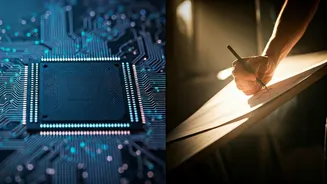
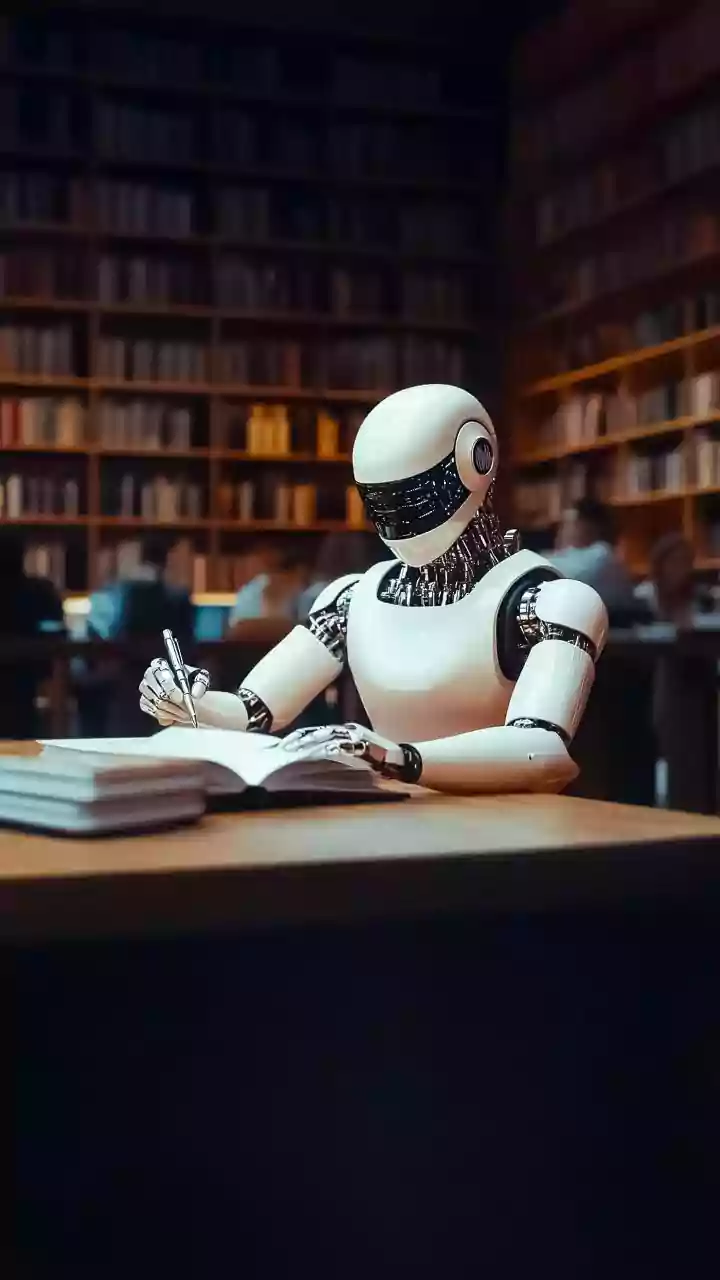
The future of creativity likely isn't a competition between humans and AI, but a collaboration. Across industries, professionals are embracing AI not as a replacement, but as a powerful assistant. An artist might use an AI image generator to spark initial ideas or create mockups of how their work would look in a space. A musician could use an AI-generated melody as a starting point for a larger composition, adding their own unique style and emotional nuance. This symbiotic relationship allows humans to guide the process, using AI to handle the heavy lifting of generation while they focus on curation, refinement, and imbuing the work with personal vision and purpose. In this model, AI enhances human ingenuity rather than making it obsolete. It becomes a tool that expands our creative potential, not a force that diminishes it.