





Choose Wisely at the Market
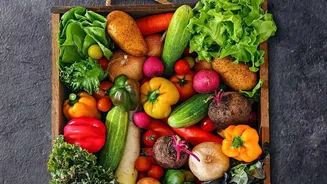
Your first line of defence is a careful selection process. During the monsoon, produce is more susceptible to rot and pests. Opt for whole fruits and vegetables over pre-cut options. Cut surfaces, when exposed to the humid air, become a breeding ground
for harmful microorganisms. Inspect produce thoroughly for bruises, soft spots, or any signs of mould. Firm, brightly coloured vegetables are generally a safer bet. Be particularly cautious with leafy greens like spinach and cabbage, as they can trap dirt and microbes from contaminated soil and water. It’s wiser to buy these in smaller quantities more frequently rather than stocking up. Also, trust your senses. If a vegetable stall has a damp, musty smell, it's often a sign that the produce is not at its freshest.
Embrace Hardy Monsoon Vegetables
Nature provides a bounty of vegetables that are naturally resilient to the challenges of the rainy season. Gourds are the heroes of the monsoon kitchen. Bottle gourd (lauki), bitter gourd (karela), ridge gourd (turai), and pointed gourd (parwal) thrive in humid conditions and are less prone to spoilage. These vegetables are not only hardy but are also light and easy to digest, which is beneficial when the digestive system can be more sensitive. Other excellent choices include okra (bhindi), cluster beans (guar), and Indian squash (tinda). These vegetables form the backbone of traditional monsoon diets for a reason; they are packed with essential nutrients that help boost immunity during a season when infections are common.
The Post-Shopping Cleaning Ritual
Never skip the cleaning process, especially during the rains. The risk of contamination from waterborne pathogens is significantly higher. Start by washing all fruits and vegetables thoroughly under clean, running water. For items with firm skins like gourds or potatoes, using a soft brush can help remove stubborn dirt. For leafy greens, a more rigorous approach is needed. Submerge them in a bowl of water with a pinch of salt or a splash of white vinegar for about 10-15 minutes. This helps dislodge germs and dirt. Afterwards, rinse them again under running water. It’s crucial to avoid cross-contamination. Wash your hands before and after handling produce, and ensure your chopping boards and knives are clean.
Mastering Monsoon Storage
How you store your produce is just as important as how you buy it. Moisture is the enemy. Before refrigerating, ensure all vegetables are completely dry. You can pat them dry with a clean cloth or let them air-dry under a fan. Storing damp vegetables in the fridge will only accelerate mould growth. Use breathable bags or wrap vegetables loosely in paper to allow for air circulation and prevent moisture buildup. Don't overstuff your refrigerator's vegetable crisper, as this can impede airflow. For items like onions, garlic, and potatoes, a cool, dry, and dark place away from the refrigerator is best. Remember to consume perishable items within a few days of purchase to enjoy them at their best quality and safety.
Cook for Safety and Comfort
The monsoon is not the ideal time for an all-raw diet. High humidity and the increased risk of contamination make cooked food a much safer option. Steaming, boiling, and stir-frying not only kill harmful bacteria but are also in line with traditional wisdom for monsoon eating, which favours warm and light meals. Transforming spinach into palak dal, bottle gourd into a simple sabzi, or bitter gourd into a flavourful stir-fry enhances both safety and flavour. Warm soups and broths are particularly comforting and a great way to incorporate a variety of monsoon vegetables. Thoroughly cooking your produce is your final and most effective step in ensuring a healthy and enjoyable meal during the rainy season.