




The Foundation: Dals and Legumes
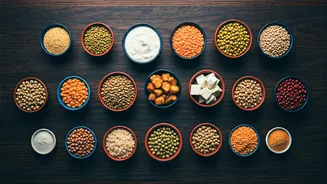
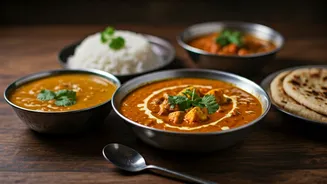
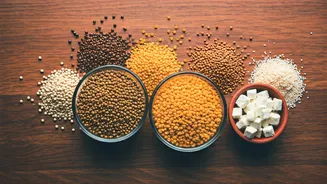
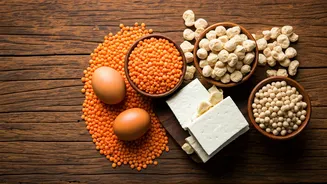
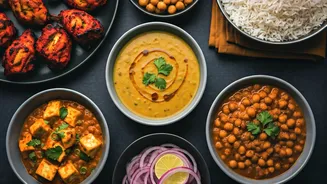
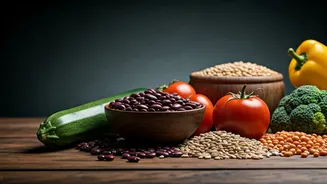
Lentils and legumes are the bedrock of protein in Indian diets. Dals, a staple in nearly every household, are an excellent and affordable source of plant-based protein. A bowl of cooked dal, whether it's toor, moong, masoor, or chana, typically provides
around 7-9 grams of protein per 100g serving when cooked. Urad dal (black gram) and masoor dal (red lentil) are among the highest in protein, offering roughly 24-25 grams per 100g in their raw, uncooked form. Beyond dals, other legumes like chickpeas (chana) and kidney beans (rajma) are protein powerhouses. A hearty bowl of rajma or chana masala not only offers comfort but also a significant protein boost, with rajma providing around 8.7g of protein per 100g when cooked. Combining these with rice or roti creates a complete protein profile, providing all essential amino acids.
Dairy Delights: Paneer and Curd
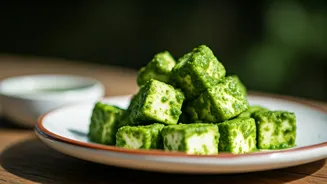
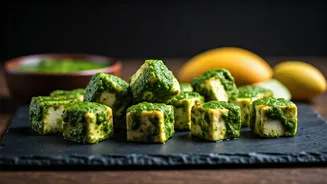
For vegetarians, dairy products are a important source of high-quality protein. Paneer, or Indian cottage cheese, is a versatile ingredient that can be grilled, fried, or added to curries. It packs a substantial 18-21 grams of protein per 100-gram serving. This makes dishes like paneer tikka, palak paneer, and paneer bhurji excellent choices for muscle repair and satiety. Curd (dahi) and Greek yogurt are other fantastic protein sources. They can be enjoyed on their own, made into raita, or used as a base for marinades. Curd not only provides protein but also aids digestion, making it a healthy addition to any meal. A simple bowl of curd or a glass of lassi can significantly increase the protein content of your meal.
Beyond the Obvious: Grains, Nuts, and Seeds
Protein in Indian food isn't limited to dals and dairy. Ancient grains and millets, which are making a comeback, are also good sources. Millets like bajra (pearl millet) contain about 10-11 grams of protein per 100g, while jowar (sorghum) offers 9-10 grams. Swapping white rice for millets or adding them to your diet in the form of rotis or porridge can be a smart way to increase your protein and fibre intake. Soya chunks are another vegetarian hero, containing a remarkable 52 grams of protein per 100g (dry). Cooked in a flavourful masala, they provide a meaty texture and a massive protein punch. Nuts and seeds, often used as garnishes or in gravies, also contribute to the overall protein content.
Lean and Flavourful: Non-Vegetarian Choices
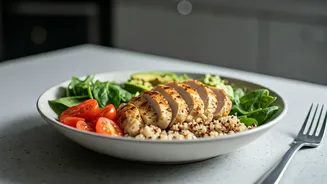
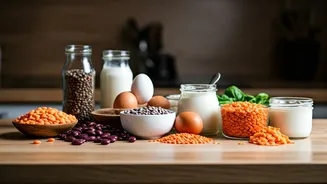
For those who eat meat, Indian cuisine offers numerous healthy and high-protein options. Chicken breast is a lean source, providing about 31 grams of protein per 100g when cooked. Tandoori chicken, chicken tikka, and simple home-style chicken curries are excellent ways to meet protein goals. Fish is another fantastic choice, not just for its protein (around 22-25g per 100g) but also for its healthy omega-3 fatty acids. Many regional Indian cuisines feature grilled or steamed fish preparations that are both healthy and delicious. Eggs are arguably one of the most affordable and versatile protein sources, with each egg containing about 6 grams of protein. From a simple boiled egg to an egg curry or bhurji, they can easily be incorporated into any meal of the day.
Building a Balanced, High-Protein Plate
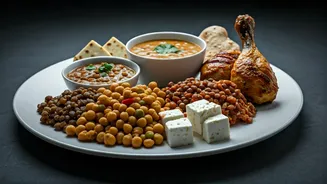
Creating a protein-rich Indian meal is about smart combinations rather than relying on a single ingredient. The traditional thali concept is a perfect example of this balanced approach. A typical high-protein plate might include a serving of dal or a legume curry, a portion of paneer or a non-vegetarian dish, a side of curd, and a serving of millets or whole wheat roti. The key is to ensure that a distinct protein source is a central component of every meal, rather than just a side dish. By focusing on the wealth of dals, legumes, dairy, lean meats, and nutrient-dense grains available, anyone can enjoy an Indian diet that is not only flavourful and deeply satisfying but also rich in the protein needed to support a healthy and active lifestyle.