



More Than Just a Mojito
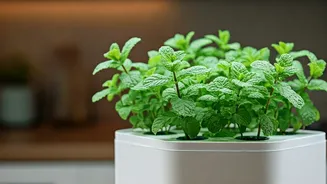
The headline-grabbing herb might be mint, perfect for a last-minute mojito or a refreshing tea, but this trend runs much deeper than happy hour. For a generation of young urbanites who grew up with farmers' markets and food blogs, the ability to snip
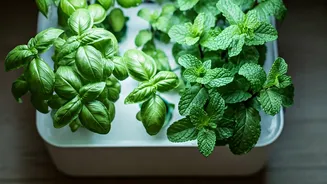
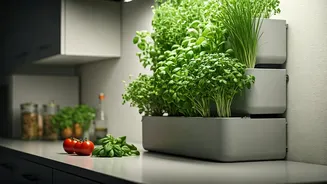
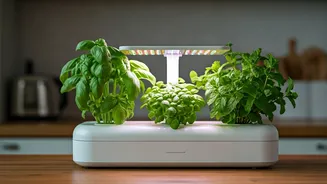
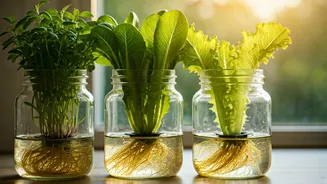
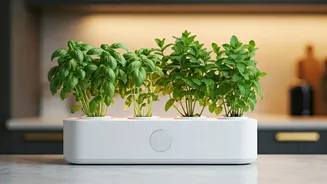
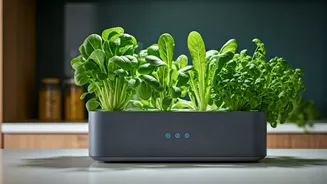
fresh basil for pasta, dill for fish, or cilantro for tacos is a small but profound luxury. This isn't your grandparents' sprawling backyard garden; it's a highly curated, tech-assisted patch of green optimized for flavor and convenience. Hydroponic kits—self-contained systems that grow plants in nutrient-rich water without soil—have made this possible. They've turned the fantasy of a kitchen garden into an accessible reality, transforming a sterile countertop into a tiny, productive farm. It’s about control over what you eat, an obsession with freshness, and the simple, satisfying crunch of a lettuce leaf you harvested seconds ago.
The Apartment-Dweller's Dilemma
So, why is this happening now? It’s a perfect storm of social and economic trends. As more young professionals flock to cities, they find themselves in smaller living spaces with zero access to private outdoor land. The classic American dream of a house with a yard has been deferred or replaced, but the desire for nature and self-sufficiency hasn't vanished. In fact, after years of being cooped up, the impulse to nurture something green has only intensified. Countertop hydroponics elegantly solves the apartment-dweller’s dilemma. It requires no soil (meaning no mess), minimal space, and often comes with its own automated lighting and watering schedule. For renters who can't tear up a lawn or install a window box, these self-contained units offer a sense of ownership and connection to the food system that was previously out of reach.
How Hydroponics Went Mainstream
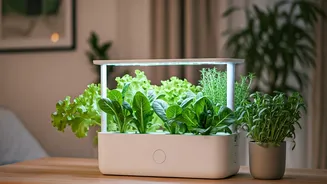
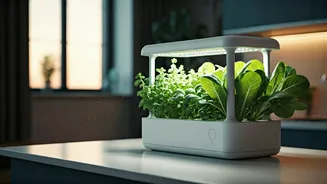
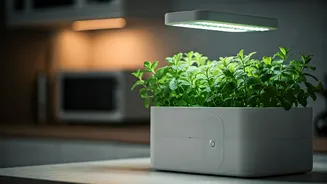
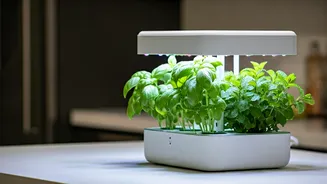
Hydroponics used to sound like something out of a science fiction movie or a large-scale commercial farm. But companies like AeroGarden and Click & Grow have domesticated the technology, packaging it into sleek, user-friendly appliances that look right at home next to a Nespresso machine. The process is brilliantly simple for the end user. You pop in a pre-seeded pod (think of it as a K-Cup for plants), fill a reservoir with water and a few drops of liquid nutrients, and plug it in. An array of full-spectrum LED lights mimics sunlight, often on an automatic timer, while a small pump circulates the water. The system takes care of the hard parts, eliminating the guesswork that often discourages novice gardeners. Forget worrying about overwatering, underwatering, or whether your window gets enough sun. The kit handles it, making a green thumb an optional accessory.
A Touch of Green, A Dose of Zen
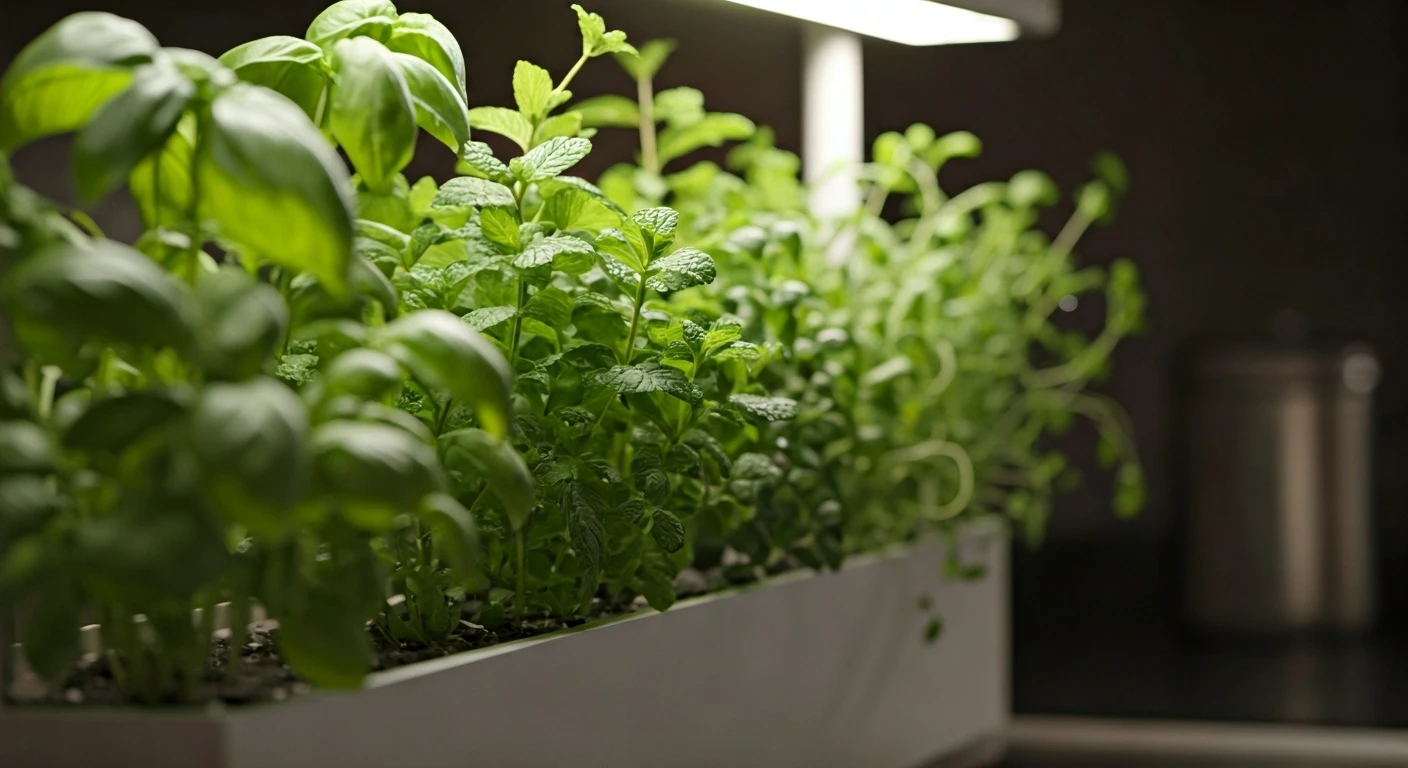
Beyond the practical culinary benefits, the rise of countertop gardens speaks to a broader wellness movement. In an era of digital overload and burnout, the simple act of caring for a living thing offers a tangible, screen-free source of joy. It’s the modern, miniaturized version of homesteading. Watching the first sprouts emerge, seeing leaves unfurl under the purple-white glow of the LEDs, and the daily ritual of checking on their progress provides a small, grounding moment of Zen. This phenomenon, often dubbed 'plant parenthood,' has been shown to reduce stress and improve mood. A hydroponic kit isn't just an herb-growing machine; it’s a living sculpture, a source of ambient light, and a conversation starter that signals a commitment to a fresher, greener, and perhaps more mindful way of living in the city.