


Let Your Stars Shine
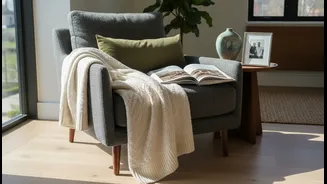
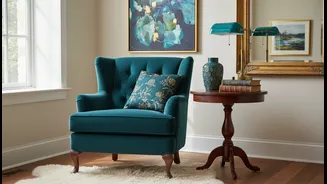
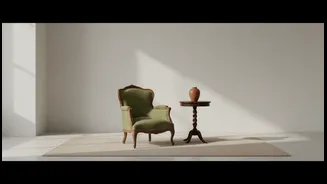
The fastest way to overwhelm a room is to have too many treasures competing for attention. Instead of crowding every surface, choose one or two standout vintage pieces to be the focal point. This could be a dramatic armchair, an ornate mirror, or a beautifully
worn wooden chest. By anointing a 'hero' piece, you give the eye a place to rest and appreciate its unique character. Build the rest of the room around it with more restrained, contemporary items that act as quiet supporting players rather than loud rivals. This intentional hierarchy is what separates a curated look from a chaotic one. A good guideline is the 80/20 rule: let 80% of your room be modern or neutral, and let 20% be your vintage showstoppers. This ratio ensures the vintage accents feel special and deliberate.
The Power of Negative Space
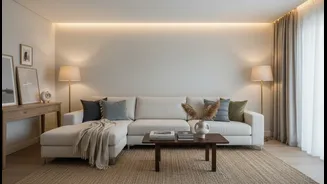
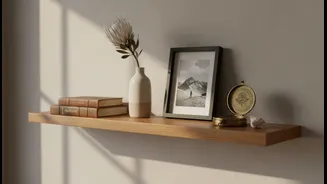
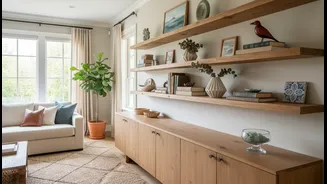
In interior design, negative space—the empty areas around and between objects—is your most powerful tool for creating a fresh, modern feel. Think of it as giving your furniture room to breathe. When a beautiful vintage sideboard is crammed between two other pieces, its unique silhouette is lost. Pull it away from the wall, leave the surfaces on either side clear, and suddenly, it commands attention. Negative space helps to de-clutter the visual field, allowing the craftsmanship, patina, and form of your vintage finds to truly pop. It prevents your home from feeling like a junk shop and transforms it into a gallery of your favorite things. Don't feel the need to fill every corner or cover every wall. These intentional pauses feel calm, composed, and confident.
Create a Cohesive Palette
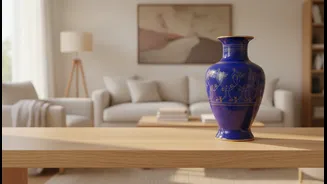
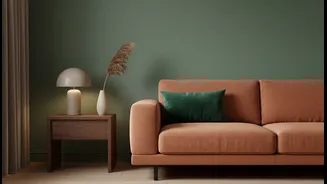
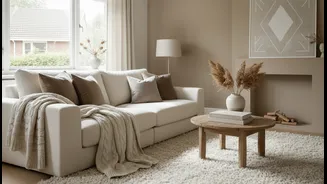
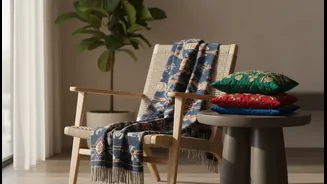
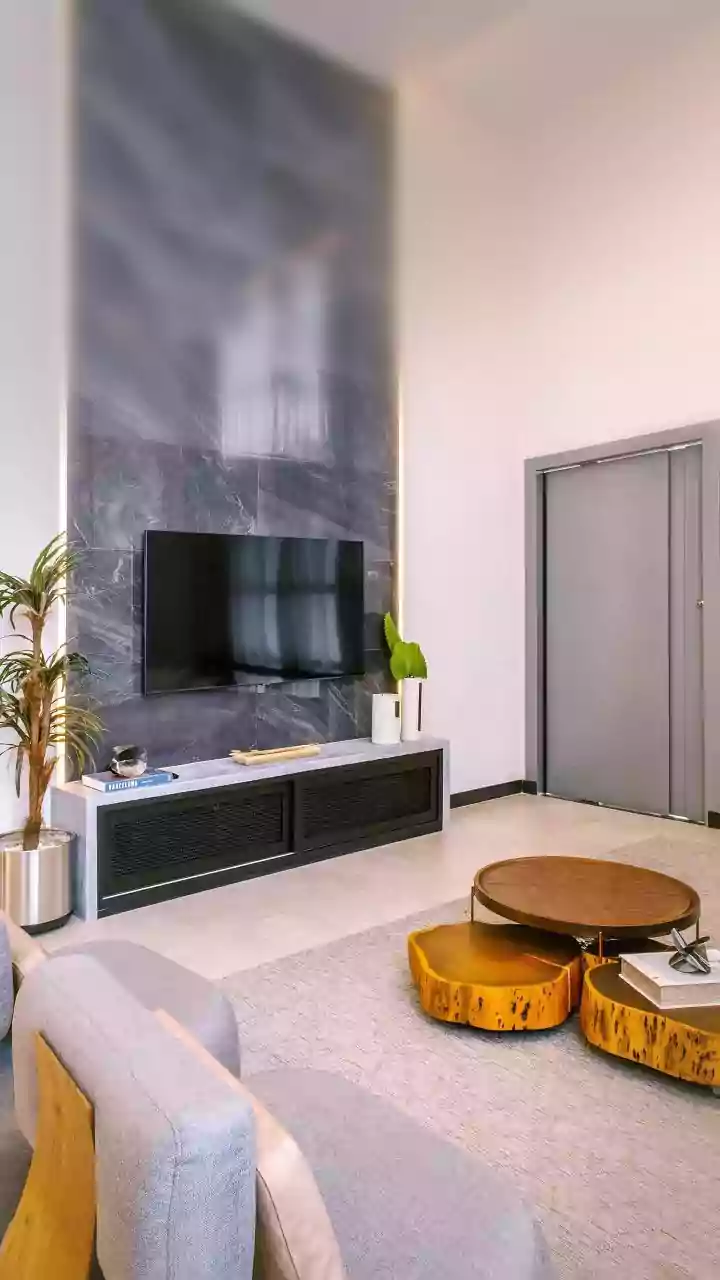
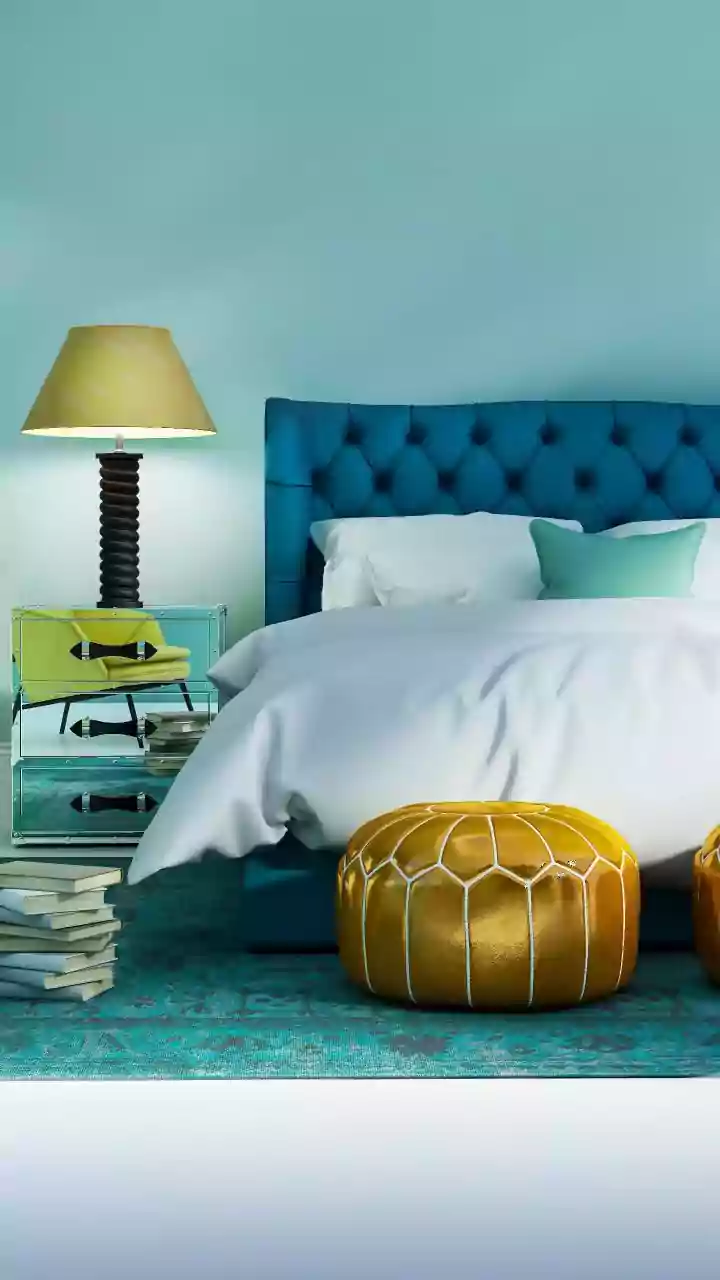
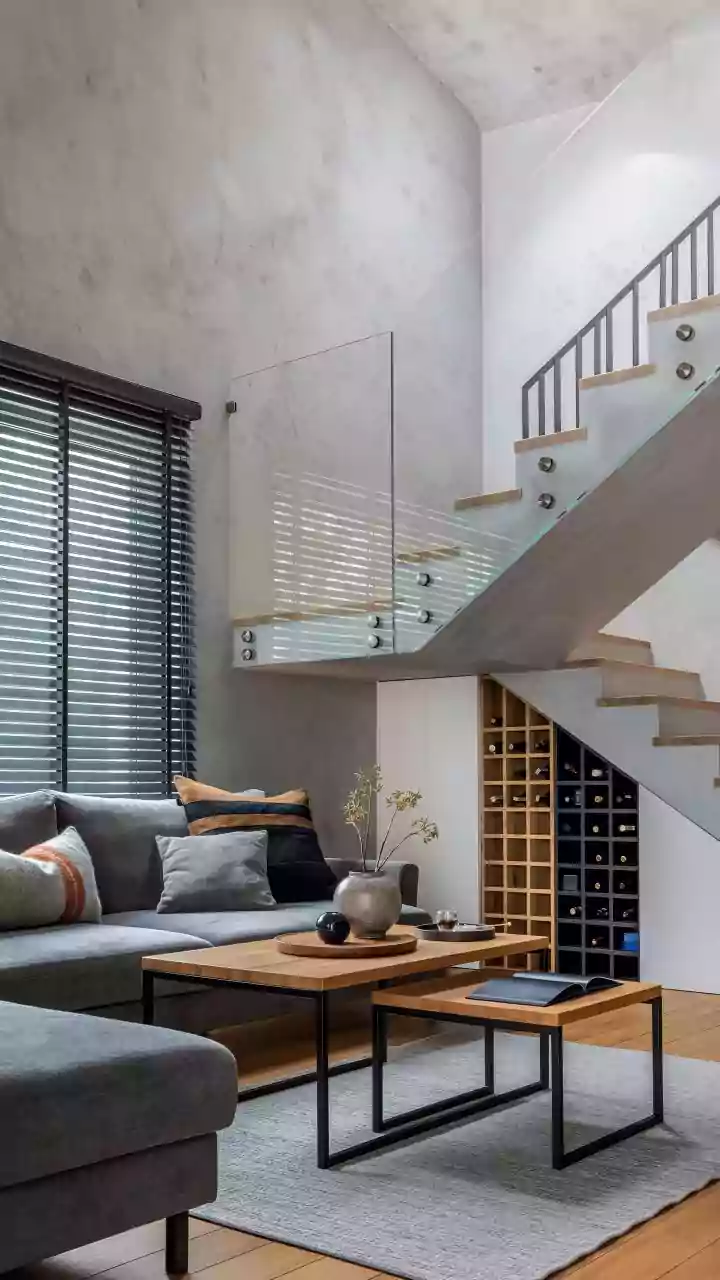
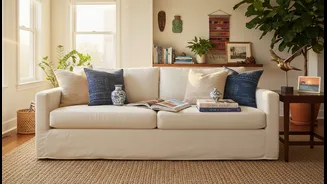
A unified color scheme is the secret weapon for blending different eras seamlessly. When your walls, rugs, and largest furniture pieces share a cohesive palette, you create a calm backdrop that allows diverse styles to coexist peacefully. Neutral tones like warm whites, soft greys, and earthy beiges are particularly effective, as they don’t compete with the rich wood tones or intricate patterns of vintage items. You can then pull an accent color from a vintage piece—like the blue from a patterned rug or the deep green from a painting—and repeat it in modern accessories like pillows or a vase. This repetition creates a visual thread that ties the old and new together, making the entire room feel intentional and harmonious.
Mix Materials and Textures
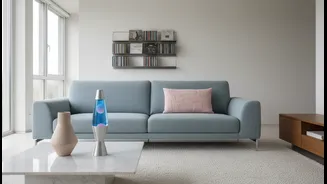
Balancing old and new is also about creating a conversation between different materials. The contrast between textures adds depth and stops a room from feeling flat. Pair the raw, rustic finish of an old wooden table with sleek, modern metal chairs. Place a smooth, contemporary lamp on a weathered antique side table. Combine a plush velvet vintage sofa with a clean-lined glass coffee table. This juxtaposition highlights the unique qualities of each item. The smoothness of the new emphasizes the patina of the old, and the character of the vintage piece keeps the modern item from feeling sterile. This interplay of materials—wood, metal, glass, and textiles—is what gives a room a layered, collected-over-time feeling.
Edit, Edit, and Edit Again
The most important step in this process is curation. It’s easy to fall in love with many pieces, but a truly stylish home knows the power of editing. One of the biggest mistakes is feeling the need to display every single find at once. A collected room feels intentional, while a crowded room feels accidental. Step back and assess what you truly love and what tells your story. If a surface is covered, remove a few items and see how the remaining ones suddenly gain importance. Don't be afraid to rotate your collections seasonally, storing some pieces away to bring out later. This not only keeps your space feeling fresh but allows you to appreciate each item more when it's on display. A thoughtful, edited space is always more impactful than a cluttered one.