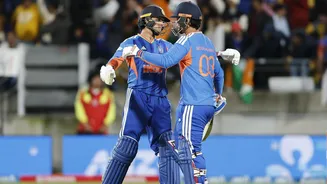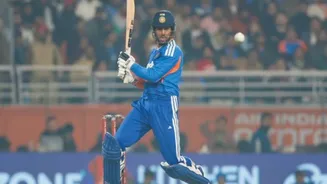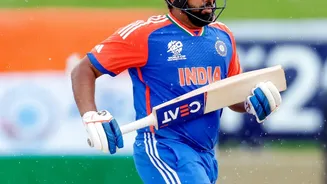

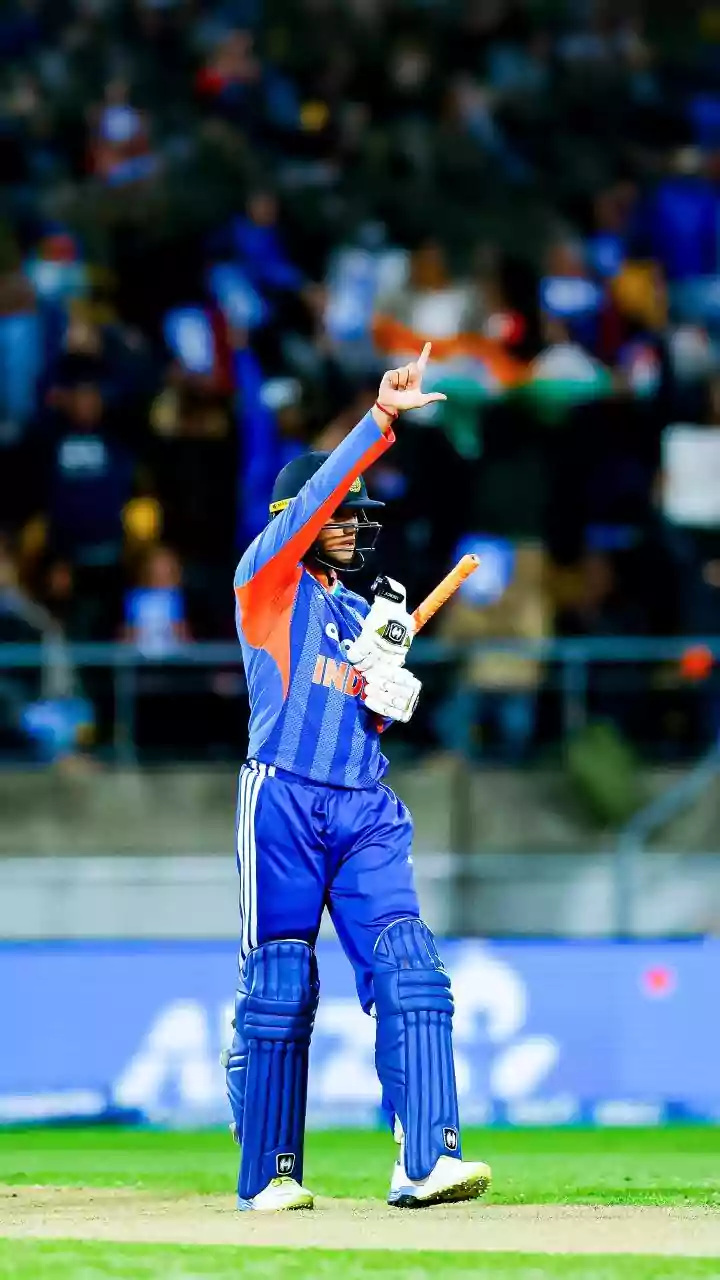


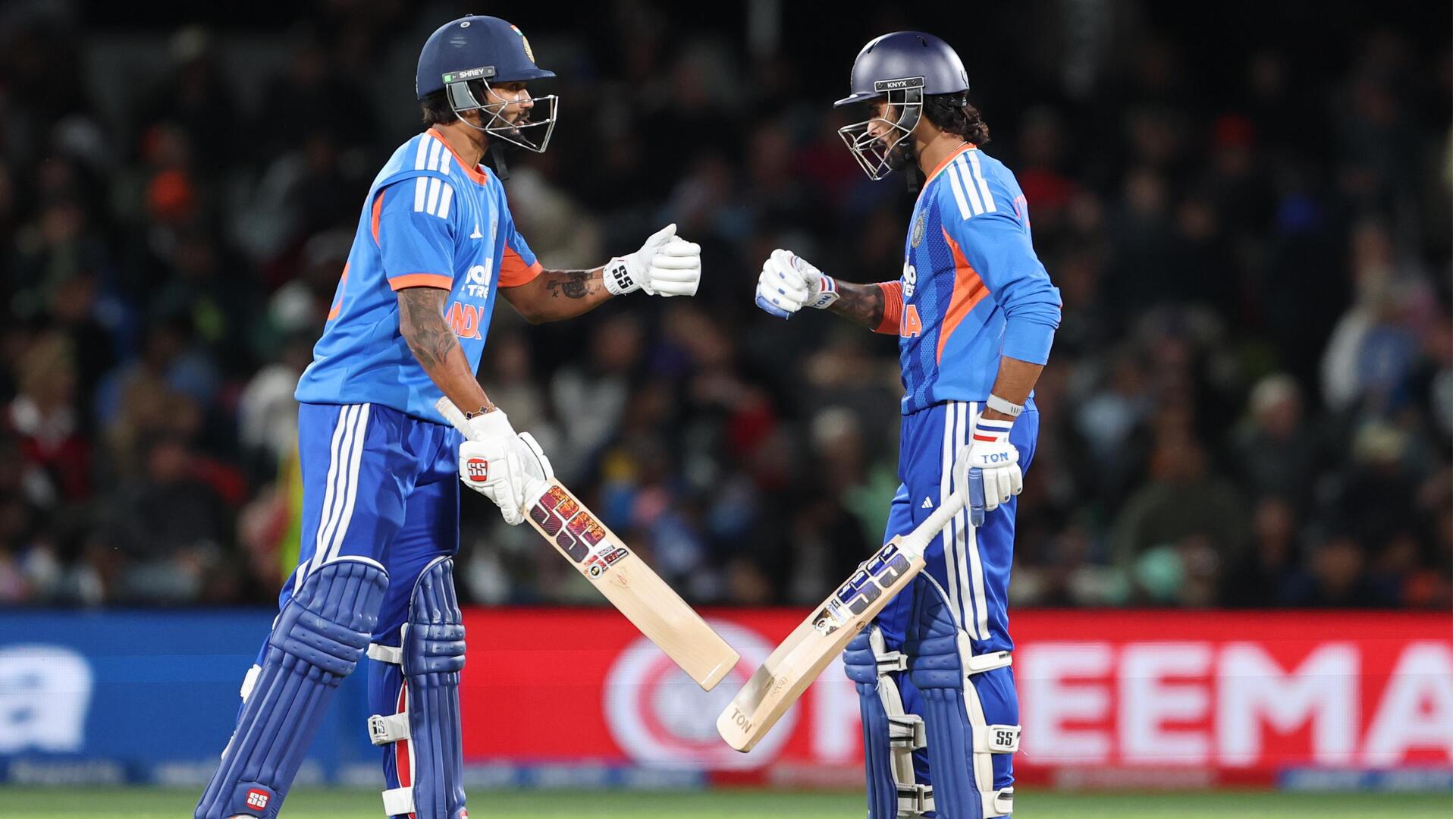


In a display of breathtaking power-hitting, India’s openers dismantled New Zealand in Wellington, turning a daunting chase into a stroll. The series was clinched, but the story was the sheer carnage unleashed from the very first ball.
An Audacious Beginning
Chasing 199 for a series
victory is a task that demands a measured start, a careful building of momentum. India’s openers, Abhishek Sharma and Vaibhav Sooryavanshi, had other ideas. They didn't just challenge New Zealand’s competitive total of 198; they rendered it insignificant within the first 30 minutes of play. What unfolded was not just a fast start but a demolition. The Kiwi bowlers, armed with a formidable score to defend, were reduced to spectators. The first over, bowled by Jacob Duffy, went for an astonishing 26 runs, setting a tone of utter dominance from which the Black Caps would never recover. It was a clear statement of intent, signaling India's new, hyper-aggressive approach to T20 cricket, where the game is seized by the scruff of the neck.
The Abhishek Sharma Spectacle
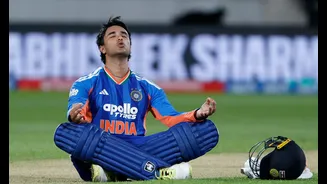
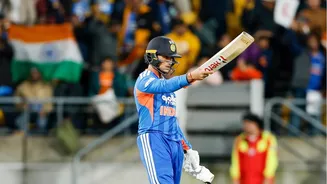
At the heart of the storm was Abhishek Sharma, who played an innings for the ages. It was a knock that transcended statistics, yet the numbers themselves were staggering. He reached his half-century in just 15 balls, the second-fastest by an Indian, before accelerating further to bring up a scarcely believable century in only 30 deliveries. When he was finally dismissed for 113 off 38 balls, his innings was studded with nine fours and an incredible 11 sixes. Each shot was a blend of timing, power, and audacity. He targeted every part of the ground, making a mockery of the field settings and the bowlers' plans. It was the kind of performance that not only wins a match but also demoralises an opposition for the foreseeable future.
Vaibhav Sooryavanshi, The Ideal Foil
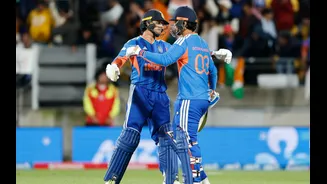
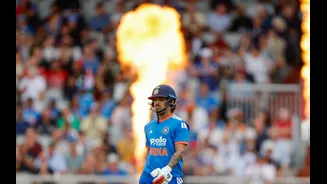
While Sharma’s century rightly grabbed the headlines, the contribution of his partner, Vaibhav Sooryavanshi, was absolutely vital. In such a whirlwind partnership, it is easy for one player to be a passenger, but Sooryavanshi was a co-pilot in this aerial assault. He blazed his own trail, smashing 45 runs from just 19 deliveries, including four fours and four sixes. His aggression ensured that the pressure never eased. When the bowlers switched ends or tried a different line to escape Sharma’s onslaught, they ran straight into Sooryavanshi’s hitting arc. The partnership of 133 was broken in the eighth over, but by then, the damage was done. Sooryavanshi's innings ensured the run rate remained stratospheric, perfectly complementing Sharma's historic knock.
Deconstructing the Carnage
The opening onslaught was systematic. The pair put on 118 runs in the powerplay, a record for full-member nations that effectively ended the contest. The bowlers had no answers. Jacob Duffy's two overs were plundered for 44 runs. Adam Milne conceded 33 from his two. Michael Bracewell went for 36 in his two. The Indian openers showed no preference, treating pace and spin with equal disdain. They didn't just clear the ropes; they launched the ball deep into the stands, forcing the Kiwi captain to constantly shuffle his bowlers in a desperate, and ultimately futile, search for control. The chase was more than just power-hitting; it was a calculated dismantling of an international bowling attack, leaving them with nowhere to hide.
A Chase Obliterated, A Series Sealed
When Daryl Mitchell's superb unbeaten 89 powered New Zealand to 198/3, it felt like a challenging, match-winning total. But by the time Abhishek and Sooryavanshi were finished, it looked hopelessly inadequate. India reached the target in just 13.2 overs, winning by six wickets with 40 balls to spare. The victory was so comprehensive that it felt less like a contest and more like an exhibition. It secured an unassailable 3–0 lead in the five–match series for India, marking their dominance in the bilateral contest. But the manner of the victory sent a stronger message than showcasing a fearless brand of cricket that promises an exciting future for the Indian T20 side.