


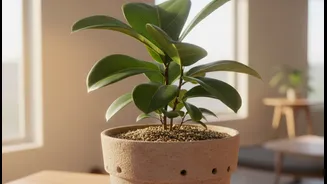


The Common Culprit: Understanding Root Rot
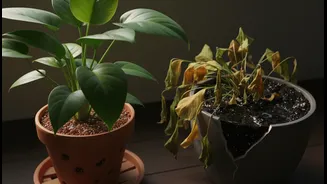
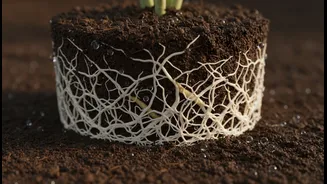
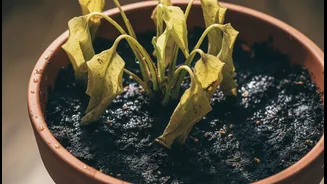
Root rot is one of the most common and devastating issues for indoor plants. It’s a disease that attacks a plant's roots, typically caused by overly wet soil. When roots sit in waterlogged potting mix, they are deprived of oxygen, which they need to function.
This suffocating, anaerobic environment becomes a breeding ground for fungi and bacteria that cause the roots to decay. The result is a plant with mushy, brown roots that can no longer absorb water and nutrients, leading to yellowing leaves, wilting, and eventual death. The irony is that it's often caused by over-caring plant parents who water too frequently, thinking they are helping.
Rethinking Watering: What is Sub-Irrigation?
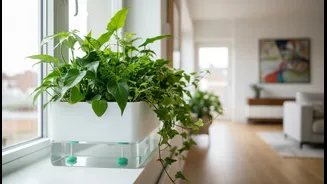
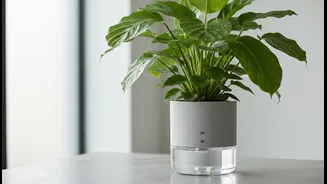
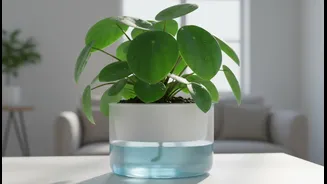
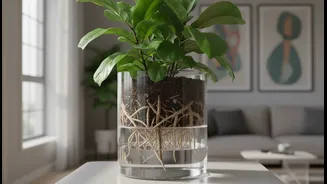
Instead of watering from the top and hoping for the best, sub-irrigation flips the script. Also known as self-watering or bottom-watering, this method involves a planter with a built-in water reservoir at the base. The main soil chamber is kept separate from this reservoir, preventing the soil from becoming saturated. The plant then draws water up from this reservoir as needed. This approach mimics how plants often access water in nature, pulling moisture up from deeper, saturated ground layers. It provides a consistent level of moisture directly to the roots without flooding the topsoil, which dramatically reduces the risk of overwatering.
The Science Inside: How Capillary Action Works
The magic behind sub-irrigated planters is a scientific principle called capillary action. This is the ability of a liquid to flow in narrow spaces without assistance, even against gravity. Think of how a paper towel soaks up a spill; the water climbs through the tiny fibres. In a sub-irrigated pot, the soil or a fabric wick acts like that paper towel. Water molecules are drawn upward from the reservoir, sticking to each other and to the particles of the potting mix. This process ensures the soil remains consistently moist but not waterlogged, as the plant's roots and the soil itself will only pull up water when the upper layers begin to dry out.
The Anatomy of a Capillary Pot
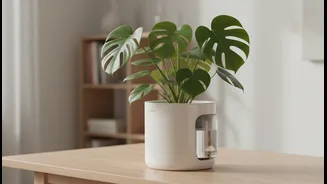
While designs vary, most sub-irrigated planters share key features. There is an outer pot that holds the water reservoir and an inner pot or soil chamber for the plant. A wicking mechanism connects the two, which can either be a column of potting mix that extends down into the reservoir or a synthetic wick. Crucially, there's an air gap between the water level and the bulk of the soil, ensuring roots have access to oxygen. Most pots also include a fill tube for easily adding water to the reservoir and an overflow hole to prevent you from accidentally overfilling it and flooding the soil.
Choosing the Right Soil Mix
You can't use just any soil in a sub-irrigated planter. Heavy, dense garden soil will become compacted and won't wick water effectively, leading to failure. The ideal medium is a light, porous, "soilless" potting mix that facilitates capillary action. Look for mixes containing peat moss, coco coir, perlite, and vermiculite. These components provide the perfect structure for both wicking moisture upward and retaining air pockets, which is essential for healthy, oxygenated roots.
Best Practices for Success
While these pots are forgiving, they aren't completely hands-off. For the best results, allow the reservoir to run dry for a day or two before refilling. This short dry period helps pull fresh air into the soil. It's also wise to occasionally water from the top every few months to flush out any mineral salts that may accumulate on the soil surface. Be mindful of the type of plant you use. Thirsty tropical plants like ferns, peace lilies, and many herbs thrive in these pots. However, plants that need to dry out completely between waterings, such as succulents and cacti, are generally not good candidates.