



A Planet Painted Green
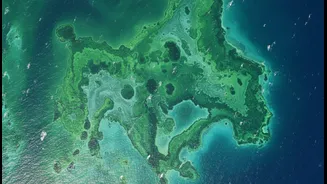
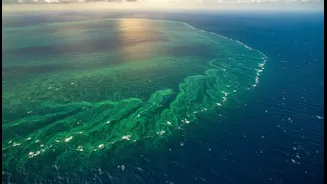
Scientists using data from NASA satellites like PACE (Plankton, Aerosol, Cloud, ocean Ecosystem) are observing algal blooms of extraordinary size and frequency. These blooms, made of tiny plant-like organisms called phytoplankton, are a natural and vital
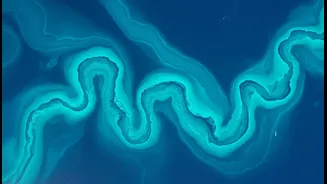
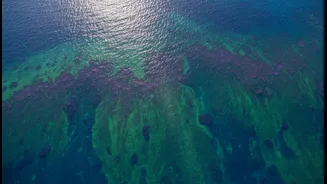
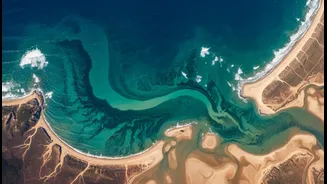
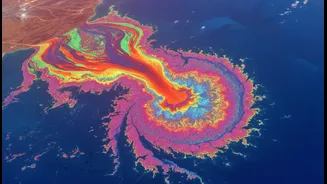
part of marine ecosystems, forming the base of the ocean's food web. However, what we're seeing now is different. For example, the Great Atlantic Sargassum Belt, a massive accumulation of seaweed, has stretched for thousands of miles, containing millions of tons of biomass. Satellites monitor these events by detecting the subtle changes in the colour of ocean water, with greens and milky-turquoise tones indicating immense populations of phytoplankton. While some blooms are an annual occurrence, like the recent turquoise glow in the Black Sea, the sheer scale and intensity in multiple oceans suggest a fundamental change is underway.
The Ocean's Hidden Engine
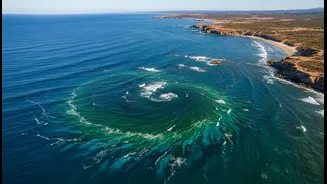
To understand the blooms, we have to look to the ocean's deep currents, often called the global conveyor belt. This is a massive, slow-moving circulation system driven by differences in water temperature and salinity. It transports heat, oxygen, and nutrients around the globe, effectively regulating the planet's climate and sustaining marine life. A crucial part of this system is upwelling, where deep, cold, nutrient-rich water rises to the surface. These nutrients, which have sunk to the deep ocean from decaying organic matter, are essential fuel for phytoplankton. Without upwelling, the surface ocean would eventually run out of the nutrients needed to support life.
Connecting the Deep to the Surface
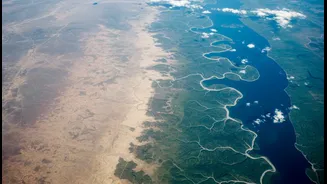
The core of the issue lies in the connection between these deep currents and surface events. Scientists theorise that shifts in the strength, path, or timing of major currents are altering the way nutrients are distributed. If a current changes course or slows down, it can affect the location and intensity of upwelling. This might mean that vast new areas of the ocean are suddenly receiving a massive injection of nutrients from the deep, providing the perfect conditions for explosive algal growth. Factors like warming ocean temperatures and increased nutrient runoff from rivers like the Amazon are also believed to be major contributors, creating a perfect storm for these record-breaking blooms.
The Ripple Effects of the Blooms
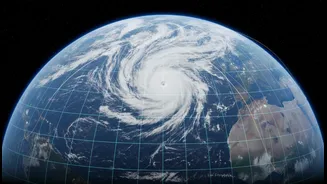
While impressive from space, these massive blooms can have dire consequences. When the huge numbers of algae die and decompose, the process consumes vast amounts of oxygen in the water, creating sprawling "dead zones" where fish and other marine life cannot survive. Some blooms are also composed of toxic species that can cause respiratory illness in humans and contaminate seafood, posing a direct threat to public health and coastal economies. Beyond the immediate impact of the algae, the very changes in ocean currents that may be causing them are a significant concern. These currents are critical to global weather patterns, and any disruption could have far-reaching and unpredictable consequences for our climate, affecting everything from rainfall to the intensity of storms.