





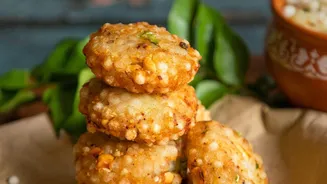
During Navratri, food delivery apps publish fascinating data about our eating habits. But do these viral stats of sabudana khichdi and vrat thalis really reflect how all of India eats during the festival? The answer is more complex than you think.
The Platform's Festive Feast
When
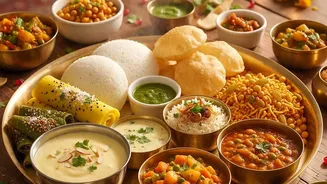
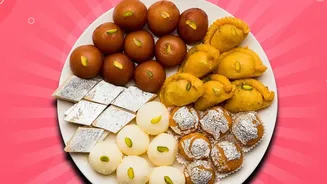
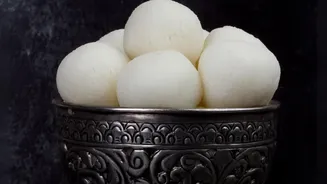
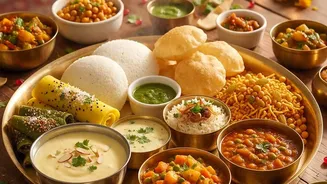
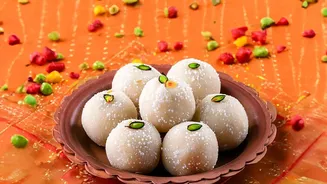
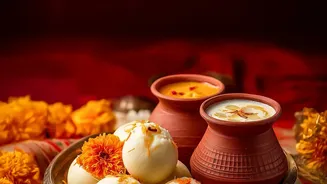
Navratri begins, data from food delivery giants like Swiggy paints a vivid picture of urban India's festive appetite. Reports from October 2026 showed a significant spike in orders for fasting-specific foods. Sabudana dishes were a clear favourite, with Swiggy delivering nearly 1,800 units every hour over the main festive weekend. Following closely were curated 'Navratri Special Vrat Thalis', especially those featuring Singhara (water chestnut) poori, which saw huge demand in cities like Delhi, Bengaluru, and Noida. One order from Noida famously totalled over ₹11,000 for 13 such thalis. The platform also reported a 36.4% year-on-year increase in orders for traditional sweets, with Rasgulla being ordered nearly 500 times an hour. This data suggests a booming market for convenient, ready-to-eat festive meals, seamlessly blending tradition with modern, on-demand services.
The Broader National Picture
Step back from the app, and the national sales landscape looks much broader and more complex. According to the Confederation of All India Traders (CAIT), the total festive trade from Navratri to Diwali was projected to cross ₹7 lakh crore in 2026, a significant increase from the previous year. However, the breakdown of this spending is revealing. Groceries and FMCG products were estimated to be the largest category, accounting for 12% of the trade. This figure points to a foundational truth: a massive portion of festive consumption still happens at home. People are buying raw ingredients like sabudana, kuttu ka atta (buckwheat flour), and other staples to prepare traditional meals themselves. While Swiggy’s data highlights demand in metros and emerging cities like Patna and Jodhpur, the CAIT projection includes rising commercial activity in rural and semi-urban areas, which are less reliant on food delivery apps.
Why the Data Diverges
The gap between platform data and national sales isn’t a contradiction; it’s a story about two different Indias. Food delivery platforms primarily serve an urban, digitally-savvy consumer base with higher disposable income. Their data is an excellent barometer for trends within this demographic but doesn't capture the massive, unorganised retail sector and the home-cooking traditions that dominate in Tier-3 cities and rural India. A 2025 report noted the blurring lines between urban and rural consumption, but significant differences remain. Furthermore, platform data is influenced by its own supply. Restaurants on Swiggy create specific, marketable 'vrat thalis' that become bestsellers. In contrast, national sales data reflects the purchase of individual ingredients from local kiranas and markets, items that don't get itemised in a flashy 'most-ordered' list. The high search interest for 'verified-pure' fasting staples like kuttu flour also highlights a consumer concern for quality and safety that drives people to trusted local vendors over unknown restaurant kitchens.
A Tale of Two Consumers
Ultimately, the difference underscores the evolution of festive traditions. For a growing segment of the population, especially in fastpaced urban environments, convenience is king. Ordering a complete Navratri thali saves time and effort, and platforms have expertly catered to this need. However, for a much larger part of the country, festivals remain deeply rooted in the process—the shopping for ingredients, the preparation of food at home, and the community aspect of cooking. Some reports even note a countermovement among urban dwellers who are actively choosing to return to these more 'oldschool' celebrations, seeking authenticity over commercial convenience. Therefore, Swiggy's data is not a reflection of the entire nation's behaviour, but rather a powerful insight into the habits of the digitally integrated Indian consumer. This group is a crucial market, but it's just one piece of the vast and diverse puzzle of Indian consumerism.