


The Current Situation: A Major Flash Flood Event
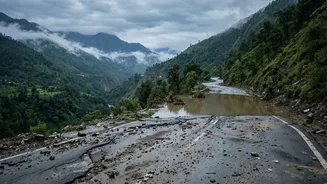
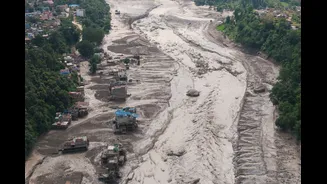
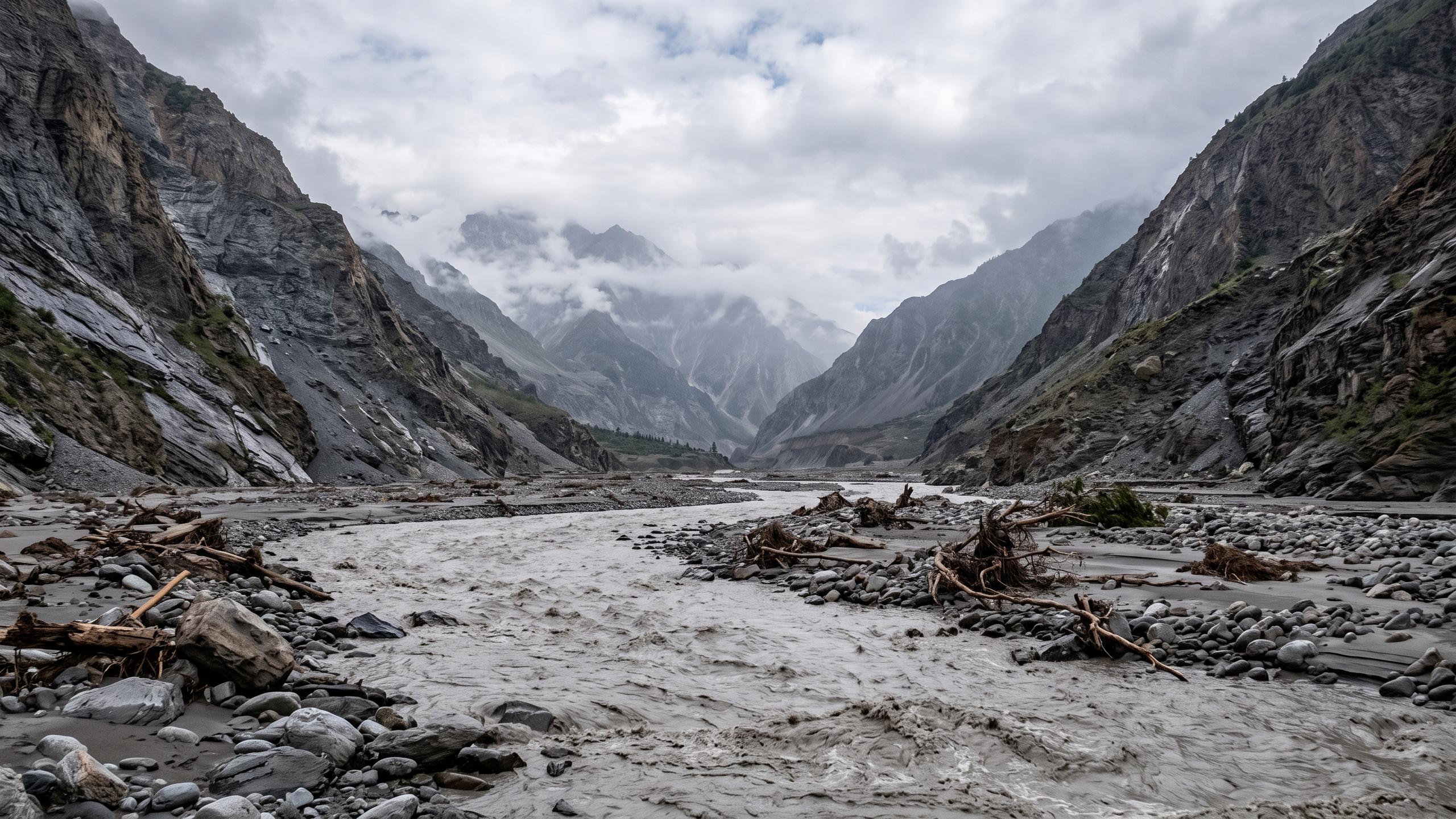
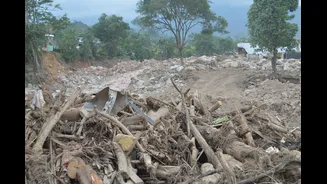
On the morning of August 26, 2026, a massive flash flood, believed to be caused by a glacial collapse, surged down the Bhotekoshi River near the Nepal-Tibet border. This disaster caused significant destruction in the Rasuwa district and continued downstream
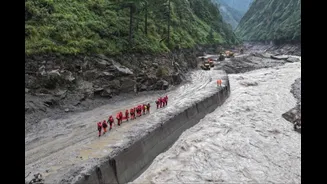
along the Trishuli River corridor, affecting parts of Nuwakot, Dhading, and Gorkha districts. The event destroyed homes, roads, bridges, and critical infrastructure, including hydropower plants. While search and rescue operations are ongoing, authorities have declared the affected areas as disaster crisis zones and continue to warn of the risk of further flooding. The Nepal Tourism Board and various embassies have issued advisories, and it's crucial for travellers to distinguish between affected and unaffected zones.
Key Affected Areas: Reconsider Your Travel
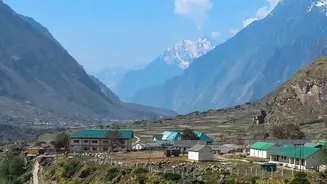
The Australian government advises travellers to reconsider their need to travel to areas within 50 kilometres of the Trishuli River in the districts of Rasuwa, Nuwakot, Dhading, Nawalpur, and Gorkha. The Rasuwa district is the hardest-hit, with severe damage in areas like Timure and Syabrubesi, which are gateways for the Langtang Valley trek and overland travel to Tibet. Consequently, the Langtang region requires extreme caution, and any plans for this trek must be reviewed. Overland travel between Nepal and Tibet, including for the Mount Kailash pilgrimage, is severely disrupted and should be postponed. The UK government also highlights that Gorkha, Nuwakot and Dhading have been affected.
Unaffected Major Tourist Hubs
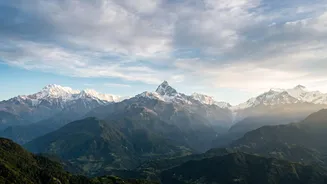
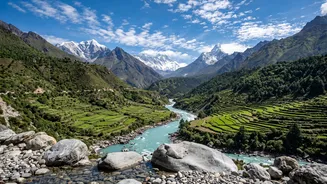
It is important to note that many of Nepal's primary tourist destinations remain safe and fully operational. Kathmandu, including Tribhuvan International Airport (KTM) and all UNESCO World Heritage sites, was completely unaffected by the floods. Similarly, the main trekking regions for Everest (Khumbu) and Annapurna are considered fully safe. Chitwan National Park is also reported to be safe for visitors. Pokhara, a major hub for Annapurna treks, is safe as a destination, with its airport and local attractions operating normally. However, overland travel to Pokhara from Kathmandu has faced temporary restrictions due to highway damage, so flying is a more reliable option currently.
Essential Pre-Travel Checklist
Given the dynamic situation, proactive planning is non-negotiable. First, contact your airline, tour operator, or travel agent for the latest updates on your itinerary and transport services. If your plans involve the affected districts, you should have been contacted about alternatives, but do not wait to reach out. Monitor advisories from your home country's government, such as the UK's FCDO, the Australian government's Smartraveller, or the U.S. Embassy in Kathmandu. Keep an eye on local weather forecasts from Nepal's Department of Hydrology and Meteorology (DHM). It is also wise to have comprehensive travel insurance that covers medical evacuation. The Nepal Tourism Board has set up an information desk to provide updates on tourists.
Staying Safe on the Ground
If you are already in Nepal or proceeding with your trip to an unaffected area, remain vigilant. Avoid all travel to the designated disaster zones. Be cautious even on open roads, as monsoon season inherently carries a risk of landslides with little warning. Night driving bans are in effect on several highways, so plan any overland travel for daylight hours. Always avoid riverbanks and low-lying areas, especially with ongoing flood warnings. Register your travel plans with your embassy if possible. Keep emergency contact numbers handy, including the local police (100), the Nepal Tourism Board's crisis unit, and your country's embassy.