


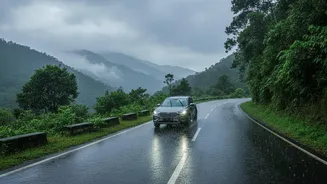
The Allure of Monsoon in the Mountains
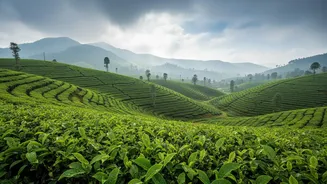
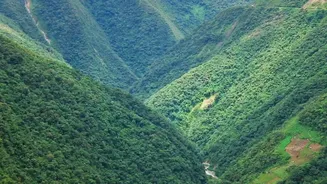
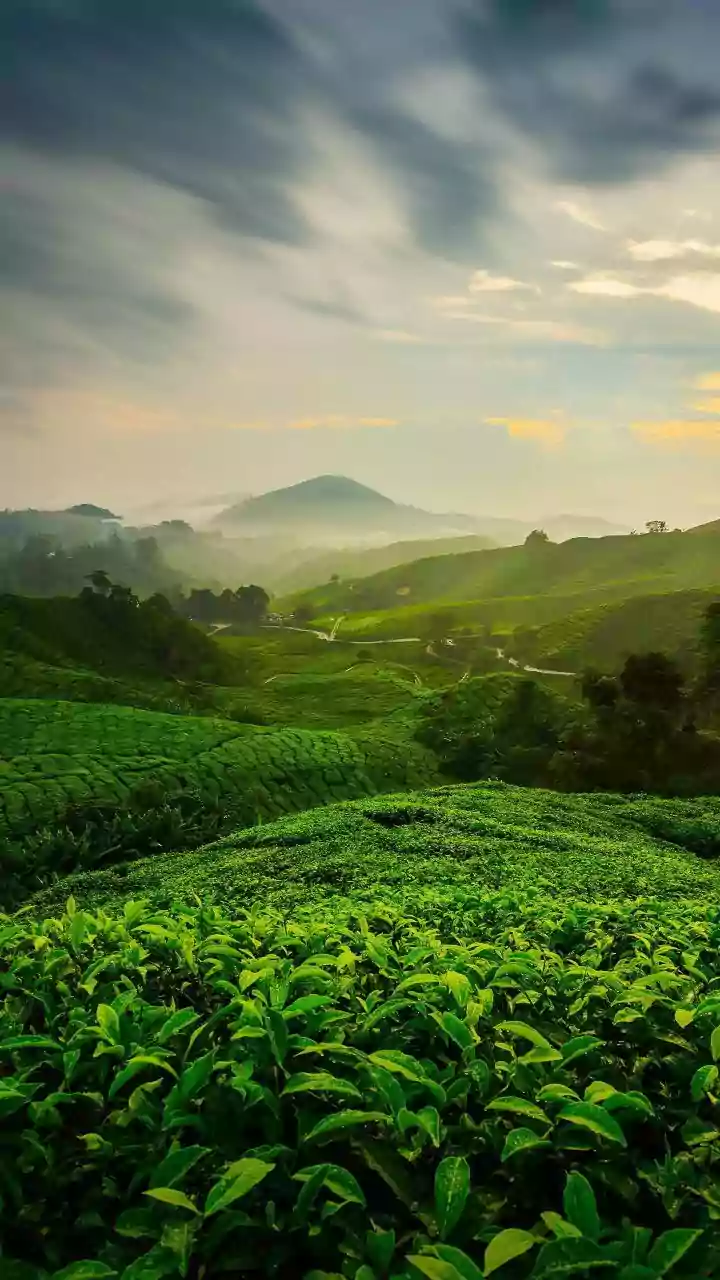
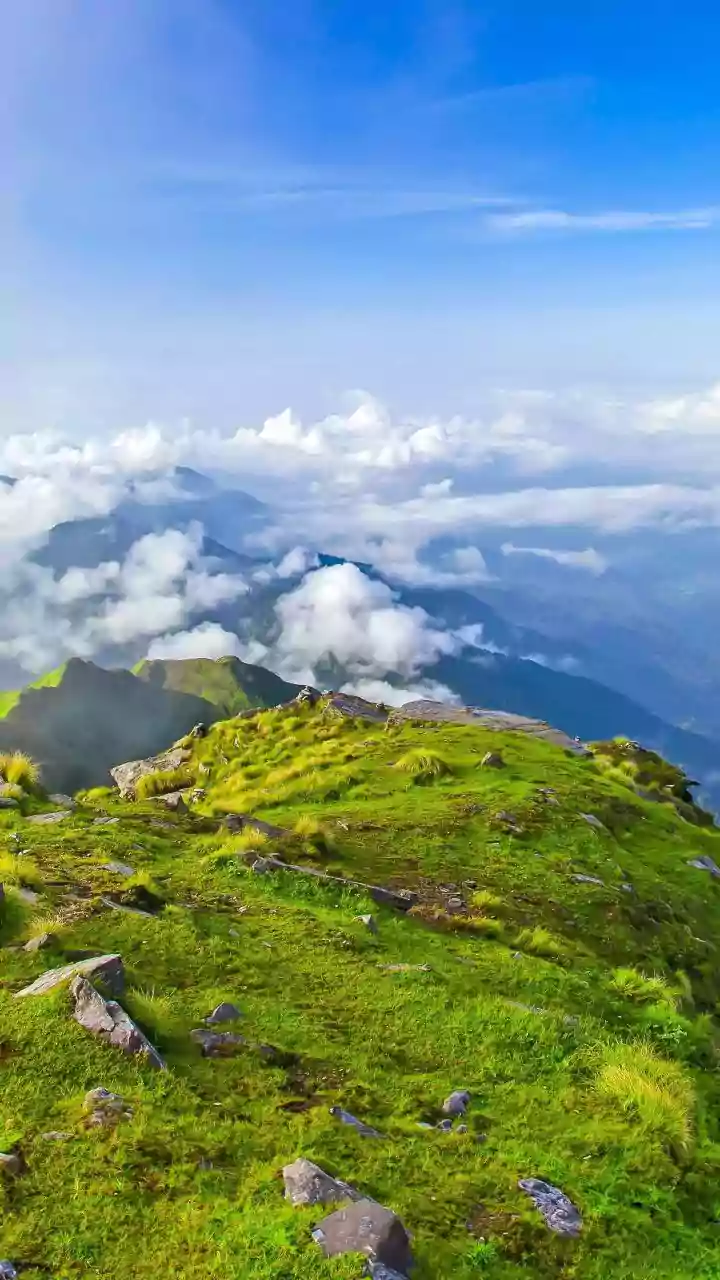
August transforms Uttarakhand into a paradise of unparalleled greenery. The monsoon rains wash the landscape clean, filling waterfalls to their dramatic peak and carpeting meadows with vibrant wildflowers. For those seeking respite from city heat, the cool,
misty air of the Himalayas is a welcome change. This period sees fewer crowds than the peak summer season, offering a more serene experience. It's a time when nature is at its most raw and powerful, providing a breathtaking backdrop for a memorable long weekend. However, this beauty comes with its own set of challenges, making it crucial for travellers to be well-informed and prepared.
Valley of Flowers: A Blooming Paradise
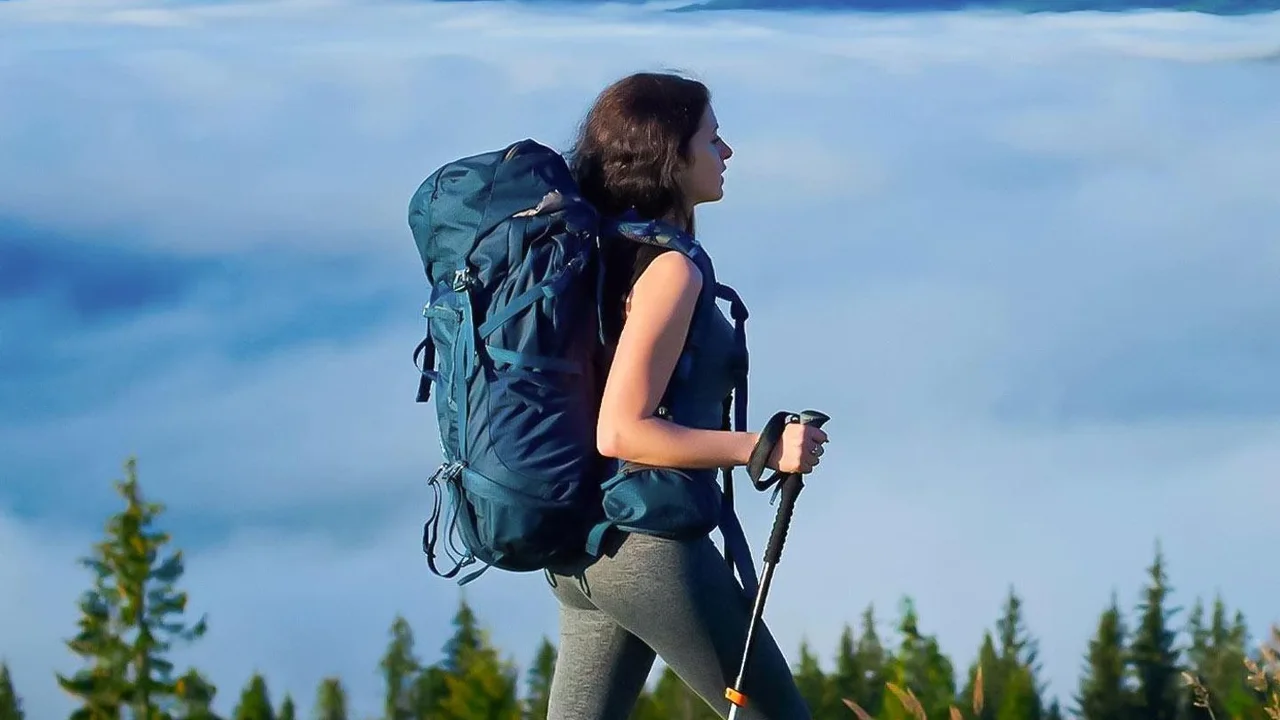
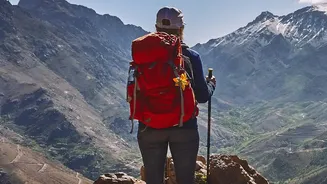
If there is one destination that is synonymous with the monsoon, it is the Valley of Flowers National Park. This UNESCO World Heritage Site truly comes alive in August, when hundreds of species of alpine flowers are in full bloom. The trek to the valley, starting from Govindghat, is a journey through stunning landscapes of waterfalls and lush hills. While August is the best time to witness this floral spectacle, it is also a period of frequent rain. The trail can be slippery and wet, and trekkers must be prepared for changing weather conditions. It is generally considered safe for travel, but only with the right precautions, such as proper rain gear and sturdy trekking shoes with good grip. Authorities maintain the path, but it's wise to keep a buffer day in your itinerary for potential weather-related delays.
Har ki Dun: The Valley of Gods
The Har ki Dun valley, also known as the 'Valley of Gods', is another spectacular high-altitude destination that showcases a different shade of monsoon beauty. In August, the valley is a vision of dense greenery, with the Supin River roaring through its heart. The trek offers a deep cultural immersion, passing through ancient villages like Osla. However, trekking here during the peak monsoon can be challenging. The trails are prone to becoming slippery and muddy, and there is an increased presence of leeches. While some experienced trekkers seek the solitude of the monsoon season, many operators advise against it due to the risk of landslides and difficult trail conditions. If you do decide to go, ensure you are with a reputable guide and have a flexible schedule.
Crucial Safety Guidelines for Monsoon Travel
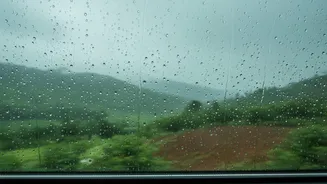
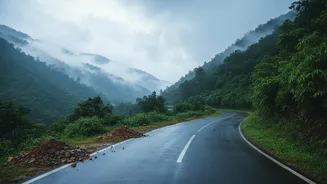
Safety must be the top priority for any monsoon trip to Uttarakhand. The state is prone to landslides and flash floods during this season, and official advisories should be taken seriously. Always check the latest weather forecasts from the India Meteorological Department (IMD) and road status from the state disaster management authorities before and during your trip. Avoid travelling at night, as visibility is poor and the risk of running into roadblocks is high. Stay away from rivers and streams, as water levels can rise unexpectedly. Pack essentials like waterproof jackets, quick-drying clothes, sturdy footwear, a first-aid kit, a power bank, and dry food supplies. It's always better to stick to more accessible, lower-altitude destinations if heavy rainfall is predicted.
Smarter Alternatives for the Long Weekend
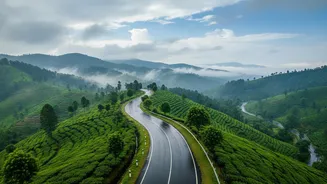
Given the risks associated with high-altitude treks during a typically active monsoon weekend, it might be wiser to consider safer, more accessible destinations. Places like Lansdowne, Binsar, Ranikhet, and Bhimtal offer the charm of the monsoon without the extreme risks. These hill stations are well-connected by road and are generally considered safer during the rains. They become less crowded and exceptionally beautiful, with misty landscapes and lush forests. Opting for these locations can provide the perfect balance of experiencing Uttarakhand's monsoon beauty while minimizing the potential dangers associated with travel during this sensitive period.