





The Virtue of Patience
Summer stargazing, especially in India, is an exercise in patience. The nights are shorter, and atmospheric haze can often reduce visibility even before the monsoon clouds roll in. For those in regions affected by the monsoon, entire weeks can be lost
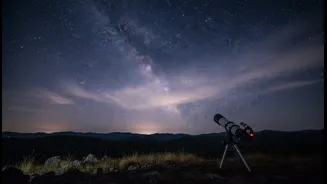
to overcast skies. This is where patience becomes your most valuable tool. Don't be discouraged by a few cloudy nights. Instead, use this time to plan. Furthermore, your eyes need at least 20-30 minutes to fully adapt to the dark, a process called dark adaptation. Rushing this process means you’ll miss the fainter stars and the subtle glow of the Milky Way. Find a comfortable spot, turn off all lights, put your phone away, and simply let the darkness settle in. This quiet waiting game is fundamental to seeing the sky at its most brilliant.
Harnessing the New Moon
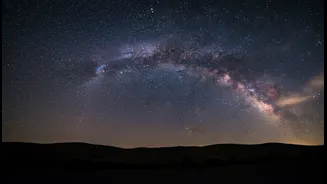
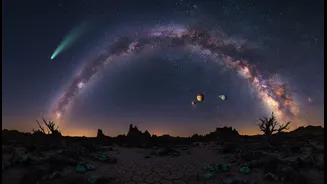
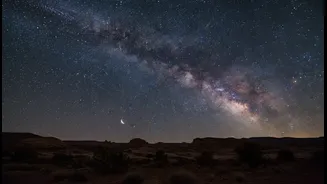
The single most important factor for seeing faint objects is the absence of moonlight. The Moon, while beautiful, acts like a giant source of light pollution, washing out dimmer stars, meteor showers, and the Milky Way. The best time for stargazing is always around the new moon phase. In July 2026, the new moon falls on Tuesday, July 14. This date, and the several days before and after it, will offer the darkest possible skies. This is your prime window for observing deep-sky objects. Planning your most ambitious stargazing sessions for this mid-July period is the smartest move you can make. The week surrounding the new moon provides the deep contrast needed to see the magnificent central bulge of our own galaxy, the Milky Way, which is perfectly positioned for viewing in the evening sky this time of year.
Developing Forecast Discipline
For an astronomer, a standard weather forecast is not enough. A forecast of "partly cloudy" can mean anything from a few scattered, harmless clouds to a thin, uniform haze that ruins deep-sky viewing. True forecast discipline involves using specialized tools. Websites and apps like Clear Outside, Astrospheric, or MeteoBlue offer astronomy-specific forecasts. These tools go beyond predicting rain; they provide hourly predictions for total cloud cover, transparency (atmospheric clarity), and 'seeing' (atmospheric stability). Transparency tells you how much moisture and dust are in the air, which is crucial for seeing the faint Milky Way. Seeing affects how much stars twinkle; poor seeing makes planetary details blurry. Learning to read these charts helps you pinpoint the exact hours when conditions will be optimal, turning a potentially frustrating hobby into a predictable one.
What to Look For This July
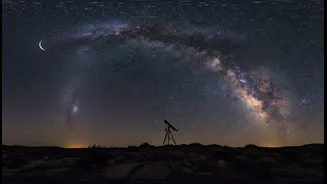
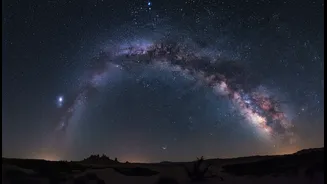
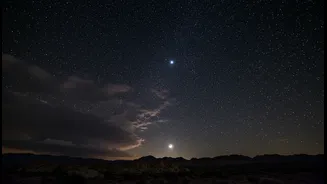
Your patience and planning will be rewarded. July 2026 has several celestial highlights. Throughout the month, look for a close pairing of bright Venus and the star Regulus in the evening sky after sunset. On the morning of July 11, a beautiful waning crescent moon will form a trio with Mars and the famous Pleiades star cluster. The main meteor shower is the Southern Delta Aquariids, which is active from mid-July and peaks around July 30. Unfortunately, the peak this year coincides with a nearly full moon, which will wash out most of the fainter meteors. However, you can try to spot some in the week before the peak, after midnight when the Moon is less of a factor. The real prize this month is the Milky Way, best viewed during the moonless window around July 14.