





The Age of 'Always On'
Hustle culture, endless workdays, and the relentless ping of smartphone notifications have become the backdrop of modern professional life in India. For many young urbanites, the line between work and personal time has all but disappeared. This constant
state of connectivity and pressure is leading to widespread burnout, a state of emotional, physical, and mental exhaustion caused by prolonged stress. According to a Deloitte survey, a staggering 70 percent of Indian Gen Zs and 64 percent of millennials report feeling burnt out. This isn't just about feeling tired; it’s a deeper fatigue that leaves people feeling detached and cynical, making a genuine break not just a luxury, but a necessity.
From 'Seeing More' to 'Feeling Better'
The traditional Indian holiday often involved a packed itinerary: see the fort, visit the temple, click pictures at the viewpoint, and rush to the next destination. The goal was to maximise sightseeing, often leaving travellers more drained than when they started. Now, that formula is being rejected. Young professionals are no longer asking, “Where can I see the most?” but rather, “Where can I feel better?”. This marks a significant shift from checklist tourism to intentional travel. The vacation is no longer about accumulating experiences for social media but about actively seeking restoration and a mental reset. Travel is becoming a tool for mental well-being, an opportunity to disconnect from daily pressures and reconnect with oneself.
The Rise of the 'Calmcation'
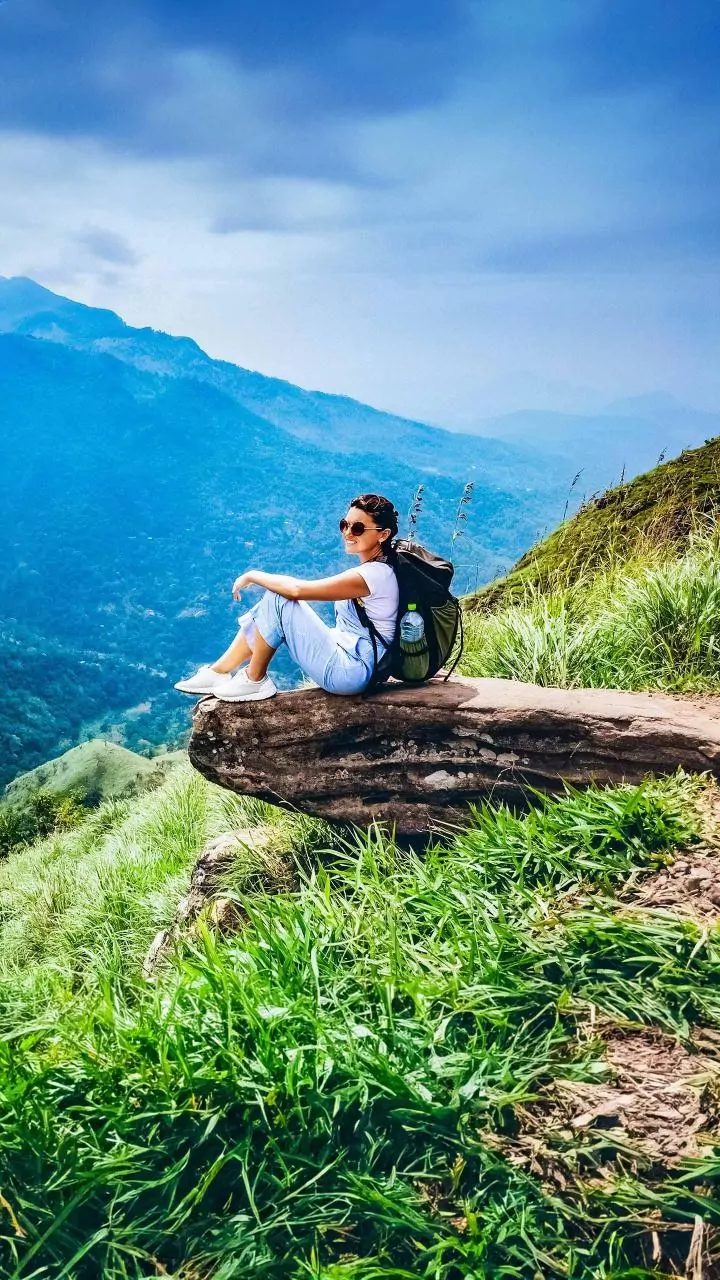
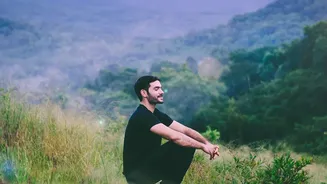
In response to burnout, a new type of holiday has emerged: the 'calmcation'. This trend prioritises rest, quiet, and deliberate disconnection over activity. Instead of hopping between cities, travellers are choosing to stay longer in one place, a practice known as slow travel. This approach allows for a deeper, more meaningful connection with a destination without the pressure of a tight schedule. The focus is on experiences that soothe the nervous system: nature immersion, reading a book, or simply doing nothing at all. An Airbnb report noted that for Gen Z, the ability to rest and slow down is a primary motivation for travel, with two in three travelling just to do nothing. Destinations like the hills of Rishikesh, the backwaters of Kerala, or quiet estates in Coorg are becoming popular for these restorative escapes.
Digital Detox as the New Luxury
For a generation that is perpetually online, the ultimate luxury is the freedom to be unreachable. This has fuelled a surge in demand for digital detox retreats, where guests are encouraged or required to surrender their devices. These retreats are not about deprivation but about creating space for mental clarity and reducing the cognitive overload from constant screen time. Experiences range from structured wellness programs with yoga, meditation, and Ayurvedic therapies to simply staying in nature-focused accommodations with limited connectivity. This intentional disconnection helps break the cycle of 'autopilot' thinking, sharpens focus, and allows the mind to genuinely rest and process thoughts away from the noise of daily life.
A Ripple Effect on the Travel Industry
This behavioural shift is not going unnoticed. The travel and hospitality industry in India is adapting quickly. Hotels and resorts are increasingly integrating wellness into their core offerings, moving beyond a simple spa to provide curated experiences like mindful movement classes, nutrition-focused menus, and nature immersions. The wellness tourism market in India is expanding significantly, driven by this demand for holistic healing and rejuvenation. Boutique eco-resorts, regenerative farm stays, and traditional homestays in quieter regions are gaining popularity. The 'stay is the holiday' concept, where the accommodation itself is the main attraction, is a direct reflection of this trend, as travellers seek out places that promise peace and comfort above all else.