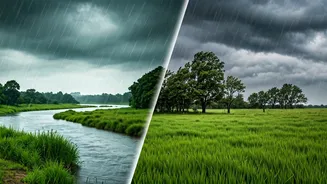




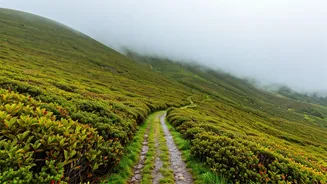



The Classic Ghat Experience: Maharashtra
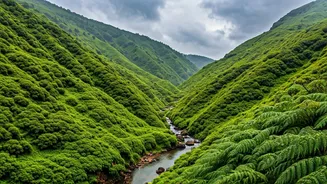
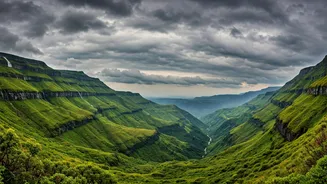
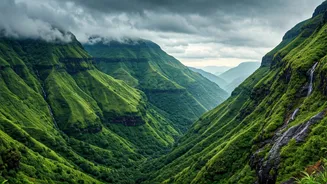
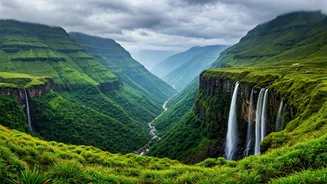
The drive from Mumbai or Pune towards the Western Ghats is a monsoon ritual for many. Destinations like Lonavala, Khandala, and Malshej Ghat come alive with countless waterfalls and clouds that descend onto the roads. The Mumbai-Pune Expressway offers
a relatively safe and swift journey to Lonavala, but weekend traffic can be intense. For Malshej Ghat, known for its dramatic beauty, it's crucial to be cautious. This area is prone to rockfalls, so travel is recommended only between 8 AM and 5 PM. As of late June and early July 2026, heavy rain alerts have been issued for the Konkan coast, including a red alert for Raigad, increasing the risk of landslides and waterlogging. Always check local advisories before you go.
Coastal Drive: The Journey to Goa
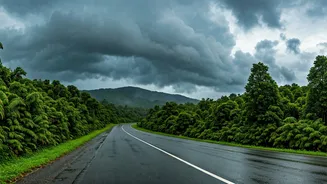
The road trip to Goa during the monsoon is iconic, offering glimpses of the Arabian Sea through misty landscapes. The route along NH-66 takes you through the heart of the Konkan, famous for its lush greenery and charming villages. While beautiful, this stretch requires caution due to potential potholes hidden by rainwater and landslide warnings in the ghat sections. The National Highways Authority of India (NHAI) has been undertaking pre-monsoon preparedness works, including repairing pavements and cleaning drainage systems, to mitigate risks on key corridors like the Pune-Satara highway (NH-48). To stay safe, avoid driving after dark and stick to the main highways, ignoring risky shortcuts.
Southern Serenity: The Hills of Kerala and Karnataka
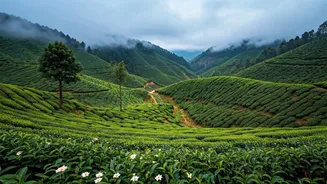
South India is arguably at its best during the monsoon. In Karnataka, the drive from Bengaluru to Coorg, the 'Scotland of India', is a popular choice with excellent four-lane highway connectivity for most of the journey. The final stretch can have some deterioration, so watch out for potholes. Further south, Kerala’s tea gardens in Munnar and the green expanses of Wayanad are stunning. However, these hilly districts are susceptible to landslides during heavy downpours. Authorities often issue travel restrictions, including night travel bans on high-risk routes. While Kerala is generally considered safe for monsoon travel with proper planning, it's vital to stick to main roads and stay updated on local weather alerts, which have been active in late June 2026.
A Different Green: The Aravallis in Rajasthan
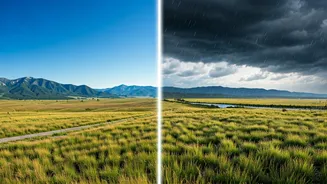
For a less conventional and often safer monsoon trip, consider Rajasthan. The drive from Jaipur to Udaipur or Mount Abu reveals a surprising transformation as the arid landscape turns green. These routes are generally less prone to the intense rainfall and landslides that affect the Western Ghats or the Himalayas. The journey to Mount Abu, the state's only hill station, offers pleasant weather and full lakes like Nakki Lake. It's an excellent option for those seeking the beauty of the monsoon with lower risks, making it a beginner-friendly rainy season drive.
Your Monsoon Travel Checklist
Regardless of your destination, preparation is the key to a safe trip. Before you start, get your vehicle serviced, paying special attention to tyres, brakes, and wipers. Pack an emergency kit with essentials like a toolkit, first-aid supplies, and waterproof bags for electronics. Plan your drive during daylight hours, ideally between 8 AM and 4 PM, as visibility drops significantly after dark. Heavy rain can cause sudden waterlogging and reduce visibility to near-zero in seconds, especially in ghat areas. Finally, always check the latest weather forecasts from the India Meteorological Department (IMD) and heed any warnings or alerts for your chosen route. The Union Minister for Road Transport and Highways has recently emphasized monsoon readiness on all National Highways, so expect better monitoring but always remain vigilant.