






A Galaxy Once Ruled by One
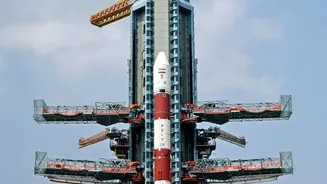
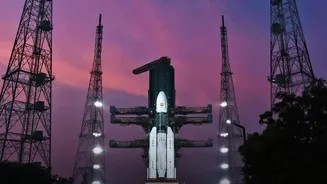
Historically, India's journey into space was authored almost exclusively by ISRO. The government-run agency was the sole developer of launch vehicles, satellites, and interplanetary missions, making it the default and often only employer for aerospace,
mechanical, and avionics engineers with celestial ambitions. A job at ISRO represented stability, prestige, and a chance to work on national-priority projects. However, this single-gateway model meant the broader ecosystem of suppliers, innovators, and entrepreneurs remained on the periphery. That landscape began to fundamentally change with the government's decision to open the sector to private enterprise, a move formalized by the landmark Indian Space Policy in 2023. This policy was designed to transition ISRO's role from an end-to-end operator to a research-focused pioneer, allowing private companies to handle manufacturing, launch services, and satellite operations.
Meet the New Constellation of Startups
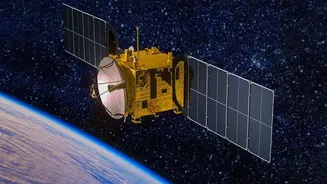
The policy shift has catalyzed a boom in private space ventures. As of August 2026, India is home to approximately 440 registered space startups, a dramatic increase from just one in 2014. Companies like Skyroot Aerospace, Agnikul Cosmos, and Pixxel have become the trailblazers of this new era. Hyderabad-based Skyroot Aerospace is developing a series of launch vehicles, while Chennai's Agnikul Cosmos is focused on creating affordable, smaller rockets. Meanwhile, Bengaluru-based Pixxel is building a constellation of hyperspectral imaging satellites to provide detailed data for sectors like agriculture and environmental monitoring. These companies are not just building hardware; they are creating full-stack space solutions, from rocket design and propulsion systems to ground station software and data analytics.
From IT Hubs to Launchpads
This commercial space race is creating a powerful new gravitational pull for India's engineering talent. For years, the most coveted career path for top graduates from IITs and other premier institutes was often in software development or management consulting, frequently leading to jobs in the IT hubs of Bengaluru and Hyderabad or opportunities abroad. Today, that is changing. The private space sector offers a compelling alternative: a chance to work on challenging, tangible 'deep tech' problems involving rocketry, robotics, and satellite technology. Job postings from these startups reveal a demand for a wide array of specialists, including propulsion engineers, avionics hardware designers, thermal engineers, and image processing scientists. This represents a significant shift from the dominant software-centric job market, reviving interest in core engineering disciplines and positioning them at the forefront of innovation.
The Fuel of Funding and Ambition
The growth of this sector is being propelled by a surge in investor confidence. Indian space-tech startups have attracted significant capital, with cumulative investments reaching hundreds of millions of dollars in recent years. In a landmark deal in September 2026, Pixxel raised $100 million, the largest single funding round for a space company in India, with backing from global investors. This influx of capital is enabling companies to scale their operations, invest in research and development, and, crucially, offer competitive salaries to attract top-tier talent. The excitement is palpable, as engineers who once saw their future in coding for multinational tech giants now see a path to building rockets and satellites in their own country, driven by the high-risk, high-reward culture of a startup ecosystem.
Building a New Economic Orbit
The impact of this trend extends far beyond individual career choices. India's space economy, currently valued at over $8 billion, is projected to grow to around $44 billion by the next decade, with a goal of capturing a much larger share of the global market. This expansion is expected to create a significant number of jobs, not just for engineers but also for professionals in manufacturing, data science, and space law. The rise of a robust private space industry signals a maturation of India's economy, moving from a services-led model to one that can design, build, and export complex, high-value technology products. It fosters a domestic supply chain for critical components and builds a foundation for long-term, self-reliant innovation.