


From Sightseeing to Story-Living
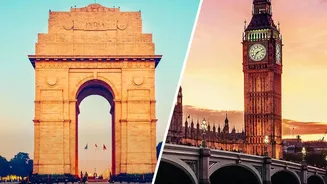
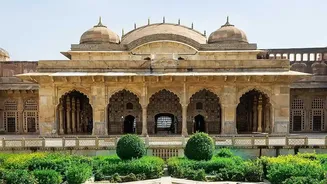
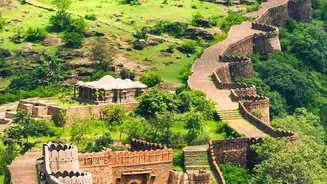
For decades, tourism was about the postcard view—seeing the Taj Mahal, clicking a photo on a Goan beach, or navigating the crowded streets of a metro city. Today, a significant shift is underway. Travellers are no longer content with being passive observers.
Instead, they want to be participants in the story of a place. A recent Skyscanner report highlighted this, revealing that 84% of Indian travellers say their interest in culture-led travel has grown in recent years. This new approach is about immersion: learning a local craft, understanding the story behind a regional dish, or participating in a community festival. The focus is on creating lasting memories, not just collecting photographs.
A Hunger for Authentic Flavours
Food has always been a part of travel, but now it is increasingly becoming the main reason for the journey itself. The culinary tourism market in India is booming, expected to grow significantly as travellers seek out authentic regional dining experiences. This goes beyond just eating at famous restaurants. The modern foodie traveller wants to join culinary trails, participate in cooking workshops, and even explore local grocery stores for unique ingredients. Experiences like tasting homemade food, meeting local chefs, and learning to cook traditional dishes are now considered highlights of a trip, offering a direct and delicious connection to a region's heritage. This trend is so pronounced that experts predict gastronomy tourism will be a major travel motivation for Indians going forward.
The Enduring Appeal of the Artisan
In an age of mass production, there is a growing appreciation for things made by hand. This curiosity is spilling over into travel, with tourists actively seeking out destinations known for their traditional crafts. Travellers want to visit artisan villages, watch craftsmen at work, and buy directly from the source. These interactions provide a powerful connection to a place's living culture. Supporting local artisans also has a tangible economic benefit, helping to preserve traditional skills and providing livelihoods in rural communities. This form of tourism helps diversify rural economies, reducing reliance on agriculture and curbing migration to urban centres.
Why We're Seeking Deeper Connections
Several factors are driving this shift. The post-pandemic era has left many people with a desire for more meaningful and intentional travel. There is a growing awareness of the negative impacts of overtourism, leading travellers to seek out less-travelled paths and more sustainable options. In fact, a recent report showed that 87% of Indian travellers intend to travel more sustainably. This conscious approach favours experiences that benefit local communities and preserve the environment. Younger generations like Gen Z and millennials, in particular, are driving this demand for immersive, culturally rich journeys over conventional sightseeing.
The Ripple Effect of Mindful Travel
This evolving holiday mindset does more than just enrich the traveller; it creates a positive ripple effect for host communities. When tourists spend money on local homestays, food tours, and artisan products, more of that revenue stays within the local economy, a stark contrast to mass tourism where profits often leak out to international operators. This model empowers local entrepreneurs, creates jobs, and gives communities a strong incentive to preserve their unique cultural heritage. It transforms tourism from a simple transaction into a mutually beneficial exchange, fostering a deeper sense of respect and understanding between visitors and locals.