



Why Humidity is a Hidden Danger
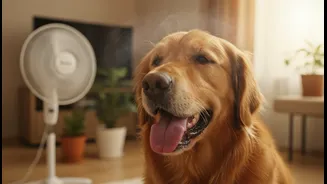
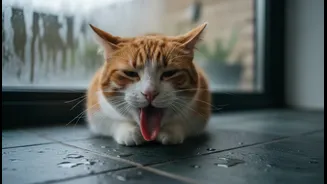
You sweat to cool down, but pets can't do that effectively. Dogs rely on panting to release heat through evaporation from their lungs and tongue. Cats rely on grooming, allowing saliva to evaporate from their fur. However, when the air is already saturated
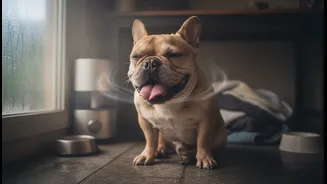
with moisture on a humid day, this evaporation process slows down dramatically or stops altogether. This means your pet's primary cooling mechanism fails, causing their body temperature to rise dangerously, even when they are inside. This risk is especially high for flat-faced (brachycephalic) breeds like Pugs and Persian cats, as well as senior, overweight, or medically fragile pets.
Signs of Overheating to Watch For
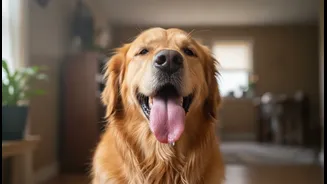
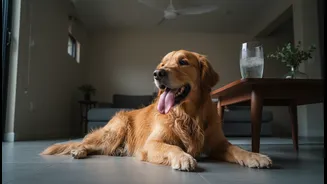
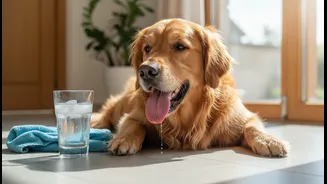
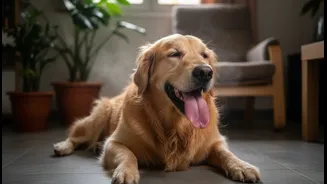
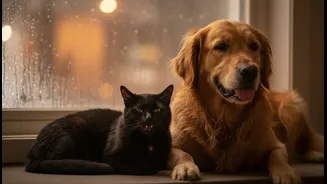
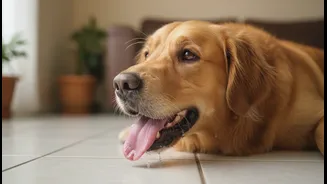
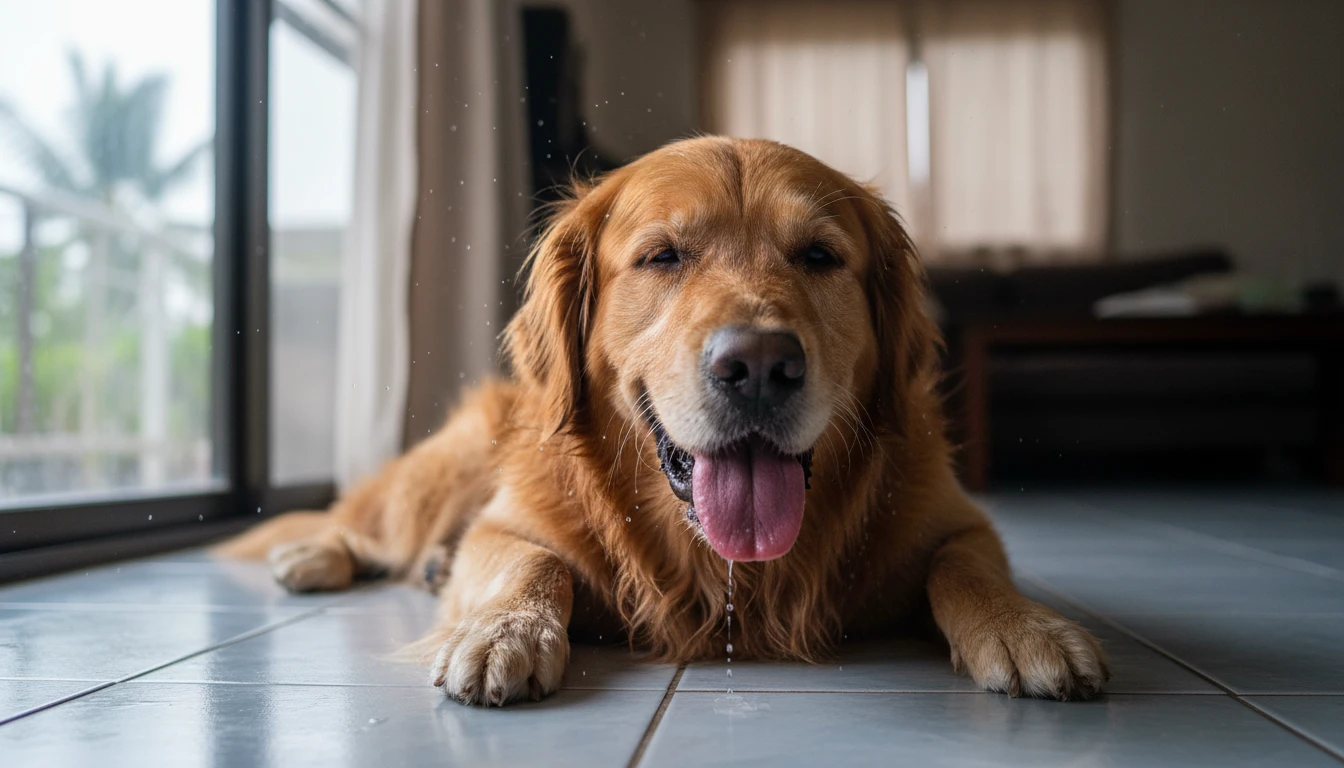
Recognising the early signs of heat stress is critical to prevent a life-threatening emergency. For dogs, watch for excessive or heavy panting, drooling that seems thicker than usual, and bright red gums. They may also become lethargic, weak, or restless. Cats are more subtle; signs can include panting or open-mouth breathing (which is always a concern for a cat), excessive grooming, and hiding in cool places. More severe symptoms in any pet include vomiting, diarrhea, stumbling or disorientation, glazed eyes, and collapse, which signal that heatstroke is occurring and immediate veterinary care is needed.
Effective Indoor Cooling Strategies
Proactive cooling can make a significant difference. If you have air conditioning, use it to keep the indoor temperature comfortable. Fans can also help by circulating air, which aids the little evaporative cooling your pet can manage. Ensure your pet always has access to multiple bowls of fresh, cool water; adding ice cubes can make it more appealing. Cooling mats, which are often gel-filled and pressure-activated, provide a cool surface to lie on without refrigeration. You can also offer frozen treats, like a frozen Kong filled with pet-safe peanut butter or frozen tuna water for cats. Finally, limit strenuous indoor play during the hottest, most humid parts of the day.
First Aid for an Overheating Pet
If you suspect your pet is overheating, act immediately. Move them to the coolest area in your home, away from direct sunlight. Use cool—not ice-cold—water to help them. You can wet towels and lay them on your pet's body, focusing on their paws, neck, and belly. Pointing a fan at them while they are damp can speed up the cooling process. Encourage them to drink small amounts of cool water, but never force them. It's crucial to lower their temperature gradually. Even if your pet seems to recover quickly with these measures, it is essential to contact your veterinarian, as heatstroke can cause internal damage that isn't immediately apparent.
Common Cooling Mistakes to Avoid
In a panic, it's easy to do something that could cause more harm. One of the most significant mistakes is using ice or ice-cold water to cool an overheated pet. The extreme cold can cause blood vessels to constrict, which paradoxically traps heat in the body's core and can lead to shock. Another common error is shaving a double-coated dog, like a Husky or Golden Retriever. Their coat is designed to act as insulation, protecting them from both heat and sun, and removing it can make them more vulnerable. Lastly, don't assume a pet that has recovered from a minor bout of overheating is fine; always consult a vet to be safe.