

The Invisible Danger: Cross-Contamination
The single most important reason to keep raw and cooked foods separate is to prevent cross-contamination. This is the process where harmful bacteria are unintentionally transferred from one food item to another. Raw meat, poultry, and seafood are common
carriers of pathogens like Salmonella, Campylobacter, and E. coli. These microorganisms are invisible, have no smell, and can't be tasted, making them a hidden threat. While proper cooking kills these harmful bacteria, the danger arises when they spread to foods that are already cooked or will be eaten raw, like salads or fruits. A single drop of juice from raw chicken dripping onto a container of cooked rice can transfer enough bacteria to cause a serious foodborne illness.
Why Raw and Cooked Foods Can't Be Neighbours
Think of it this way: cooking is a reset button that makes food safe to eat. Once a food item is cooked to the proper internal temperature, the bacteria present are eliminated. This cooked food is now safe, but also vulnerable. If it comes into contact with a raw item, it can become re-contaminated with a fresh colony of bacteria. The problem is, this ready-to-eat meal won't be cooked again, giving the new bacteria a perfect environment to multiply, especially if the food sits in the 'temperature danger zone' (between 40°F and 140°F or 5°C and 60°C). This is why simply placing a piece of raw marinated paneer next to a portion of cooked sabzi in the same container is a major food safety risk.
The Golden Rules of Separation in Your Fridge
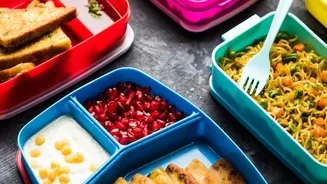
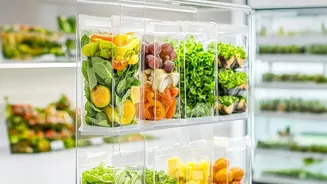
Proper storage in the refrigerator is your first line of defense. The most critical rule is to store raw meat, poultry, and seafood on the bottom shelf. This simple practice prevents their juices from accidentally dripping onto and contaminating the foods stored below. All food items, both raw and cooked, should be stored in separate, sealed containers. Airtight containers are best, as they not only prevent cross-contamination but also maintain the freshness and quality of your food. Glass containers are often recommended as they are less porous than plastic and don't retain odours or stains. Always place ready-to-eat and cooked foods on the upper shelves of your fridge, well away from any raw products.
A Complete Safety Checklist for Meal Prepping
Separating containers is crucial, but true food safety is a holistic process. Adopt these habits for a truly safe meal prep routine:
Separate Cutting Boards: Use different cutting boards for raw meats and produce. Many people use a colour-coded system (e.g., red for meat, green for vegetables) to make this easy.
Wash Your Hands: This is non-negotiable. Wash your hands with soap and warm water for at least 20 seconds after handling raw meat and before touching anything else.
Clean All Surfaces: Thoroughly wash and sanitise all utensils, knives, and countertops with hot, soapy water after they have come in contact with raw ingredients.
Cook to Safe Temperatures: Use a food thermometer to ensure meats are cooked to a safe internal temperature that kills harmful bacteria.
* Chill Promptly: Refrigerate your prepped meals within two hours of cooking to slow down bacterial growth. If portioning a large batch of hot food, divide it into smaller, shallow containers to help it cool down faster.