





The Problem with Paradise
For decades, the goal of travel was to see the world's most iconic sights. But the very popularity of these places has become their undoing. Overtourism, a term describing the negative impacts of excessive visitor numbers, now plagues destinations from
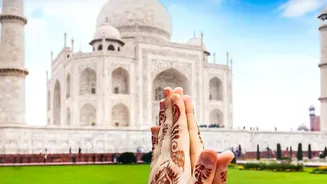
Barcelona to Bali. The symptoms are familiar: streets so crowded they are difficult to navigate, skyrocketing prices that push out locals, and environmental strain on natural resources like water and clean air. This phenomenon doesn't just frustrate travellers; it damages the host community's quality of life and can lead to the erosion of the very culture that made a place attractive in the first place. When a sacred temple becomes a backdrop for an influencer's photoshoot or a local market is filled only with souvenir shops, the destination loses its soul.
What 'Authenticity' Actually Means
In response, travellers are increasingly seeking 'authenticity'. But what does that loaded term mean? It's not simply about avoiding crowds. At its core, authentic travel is the search for genuine connection and cultural immersion. It's the desire to understand a place as its residents do, not just as a visitor passing through. This can mean learning to cook a local dish from a family, staying in a community-run homestay, or taking a walking tour with a historian who shares personal stories. The appeal is rooted in a human desire for meaning. In a world where many experiences feel standardized, travellers are searching for something unique, unfiltered, and memorable. It's a shift from just 'seeing' a place to truly experiencing it.
The Psychology of the Modern Traveller
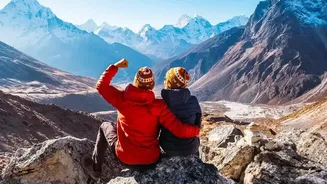
This shift is driven by deep psychological needs. The modern traveller, particularly among younger generations like Millennials and Gen Z, is often motivated by a desire for personal growth and self-discovery. Travel is increasingly seen as a vehicle for learning, reflection, and broadening one's perspective. Navigating an unfamiliar culture can build empathy, cognitive flexibility, and a greater tolerance for ambiguity. Furthermore, our brains are wired to crave novelty. New environments and experiences trigger the release of dopamine, the neurotransmitter associated with pleasure and motivation. This creates a powerful drive to escape routine and seek out the stimulation that travel provides. It's less about collecting passport stamps and more about collecting meaningful moments that shape who we are.
The Rise of Experiential Travel in India
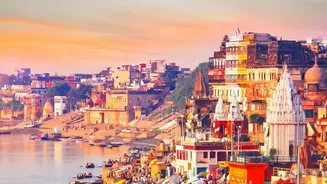
This global trend is rapidly growing within India. The Indian experiential travel market is projected to expand significantly, driven by younger travellers who prioritize unique activities over traditional sightseeing. Instead of crowded hill stations, people are opting for village stays in Uttarakhand and Himachal Pradesh, where they can participate in farming activities and experience rural life. There is a rising interest in culinary journeys, such as street food tours or cooking classes in local homes in Rajasthan or Kerala. Cultural immersion is also key, with travellers seeking to attend local festivals like Ziro in Arunachal Pradesh, learn traditional crafts, or participate in spiritual practices in places like Varanasi. This form of tourism, often called community-based tourism, ensures that economic benefits stay within the local community, empowering residents and helping to preserve cultural heritage.