






The Myth of the 'Anabolic Window'
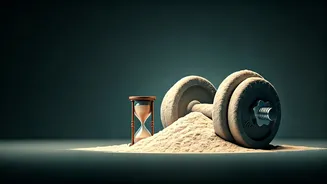
You’ve probably heard of the 'anabolic window'—a supposed 30 to 60-minute period after your workout where you must consume protein to maximize muscle gains. [5] For years, this idea has caused gym-goers to frantically chug protein shakes. However, modern
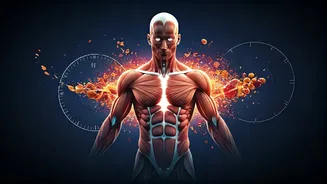
science has largely debunked the urgency of this narrow window. [5, 8] Research shows that muscle protein synthesis (the process of repairing and building muscle) remains elevated for a much longer period, often up to 24 hours or more after a workout. [3, 13] While consuming protein after exercise is certainly beneficial, the window of opportunity is more like a wide-open garage door than a tiny peephole, spanning several hours. [5, 8] Missing this immediate, 30-minute deadline won't negate your workout. [13]
Priority #1: Total Daily Protein Intake
The most critical factor for muscle growth isn't when you eat protein, but how much you consume throughout the entire day. [1, 9, 11] Think of it like building a house: what matters most is having enough bricks for the whole project, not how quickly you lay the first one. Studies have repeatedly shown that when total daily protein intake is sufficient, the specific timing of when you eat it has a much smaller impact on muscle growth and strength gains. [3, 11] For active individuals and those new to strength training, a common recommendation is to aim for around 1.6 to 2.2 grams of protein per kilogram of body weight. [9, 12] Focusing on hitting this daily target consistently is far more important than stressing about a post-workout timer. [21]
Pre-Workout vs. Post-Workout: Does It Matter?
So if the anabolic window isn't a strict deadline, what about eating protein *before* your workout versus after? The good news is that both strategies are effective. Research comparing the effects of consuming protein immediately before a workout versus immediately after has found similar results in muscle growth and strength. [2, 17, 18] Having protein before a workout ensures your muscles have a ready supply of amino acids (the building blocks of protein) during training. [20] Consuming it afterward helps replenish and kick-start the recovery process. [20] A practical approach supported by research suggests the 'bookend' method: as long as you have a protein-rich meal a few hours before your workout and another one within a few hours after, you're covering your bases effectively. [3, 21]
Don't Forget Protein on Rest Days
Muscle repair and growth don't just happen in the hour after you leave the gym; they are a 24/7 process. [13, 14] Your rest days are actually when a significant amount of recovery and muscle-building occurs. [16] In fact, some research suggests muscle protein synthesis accelerates in the hours well after your workout, peaking later. [14] For this reason, it's crucial to consume adequate protein even on the days you don't train. [7] Your muscles need a consistent supply of amino acids to repair and grow stronger, so cutting back on protein on off-days can hinder your progress. [16] Aim to keep your protein intake consistent every day of the week. [7, 15]
Keep It Simple: Practical Tips
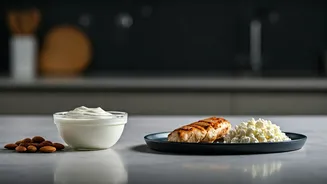
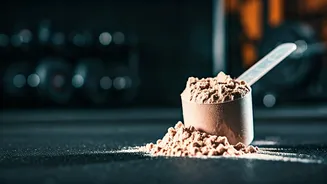
For a beginner, the world of nutrition can seem overly complicated. The key takeaway on protein timing is to focus on what matters most without unnecessary stress. Instead of obsessing over a 30-minute window, prioritize spreading your protein intake evenly throughout the day. [9, 14] Aim for 20-40 grams of protein in each of your main meals. [9, 11] This approach helps maintain a steady state of muscle protein synthesis and ensures you meet your total daily goal. [14] A high-protein breakfast is particularly beneficial to reverse the muscle breakdown that occurs overnight while you sleep. [12] If a post-workout shake fits your schedule and helps you meet your daily target, that’s great—but if you’d rather wait for a full meal, that’s perfectly fine too. [2, 13]