

The Great Fat Debate: Good vs. Bad
Not all fats are created equal. Our bodies need fat for energy and cell function, but the type of fat matters immensely. Saturated fats, often found in processed foods and some animal products, can raise LDL ('bad') cholesterol levels, contributing to
plaque buildup in the arteries—a condition called atherosclerosis. Unsaturated fats, on the other hand, are the heroes of heart health. Found in plants, nuts, and seeds, they come in two main forms: monounsaturated and polyunsaturated. These fats help lower LDL cholesterol and can even boost HDL ('good') cholesterol, which works to keep arteries clear.
What 'Cold-Pressed' Really Means
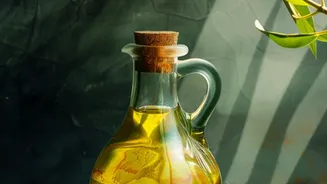
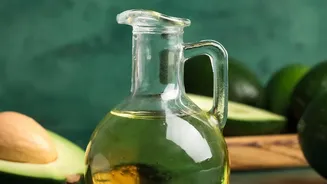
The term 'cold-pressed' refers to how the oil is extracted from its source. It's a mechanical process where seeds or nuts are crushed to release their oil, without using high heat or chemical solvents. The temperature is kept low, typically below 50°C, which is crucial for preserving the oil's nutritional integrity. This gentle method ensures that valuable nutrients, antioxidants, and natural flavours are retained. In contrast, refined oils undergo processing with high heat and chemicals like hexane, which strips them of many beneficial compounds, including vitamins and antioxidants, leaving behind a less nutritious product.
How These Oils Support Your Arteries
The benefits for your arteries come from this powerful combination of being both unsaturated and cold-pressed. The unsaturated fatty acids directly help manage cholesterol levels, a key factor in arterial health. Polyunsaturated fats, in particular, can help reduce triglycerides and lower blood pressure. Furthermore, the antioxidants preserved in the cold-pressing process, such as Vitamin E and polyphenols, fight oxidative stress and inflammation in the body. Chronic inflammation is a known contributor to arterial damage, so reducing it helps maintain the flexibility and function of your blood vessels.
Making the Switch: Top Cold-Pressed Choices
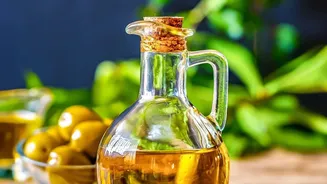
Switching to cold-pressed oils is easier than you might think. Many are suitable for daily Indian cooking. Cold-pressed groundnut oil, mustard oil, and sesame oil have relatively high smoke points, making them great for sautéing and even frying. Cold-pressed groundnut oil is rich in monounsaturated fats and the antioxidant resveratrol. Sesame oil is known for its anti-inflammatory compounds, and mustard oil is a good source of both mono and polyunsaturated fats. For dressings and drizzling, cold-pressed olive oil or flaxseed oil are excellent choices, packed with heart-healthy fats.
Incorporating Them Into Your Daily Diet
You don't need a complete overhaul to reap the benefits. Start by replacing your regular refined oil with a cold-pressed alternative for your everyday cooking, like making dal or sabzi. Use oils like cold-pressed olive or walnut oil to make your own salad dressings instead of buying pre-made ones which can be high in saturated fats and preservatives. Drizzling a teaspoon of flavourful cold-pressed oil over cooked dishes like soups, grilled vegetables, or even hummus can add a boost of flavour and nutrients. The key is consistency; making this small, daily change adds up to significant long-term support for your cardiovascular system.