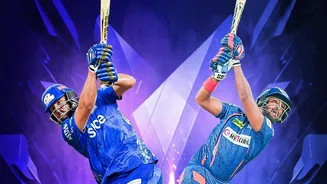





Mumbai Indians' staggering $2.1 billion valuation, making them a ₹20,000 crore empire, is a testament to more than just cricketing prowess. So, how did a team bought for $111.9 million in 2008 become a global benchmark in sports business?
The Foundation: More Than a Cricket Team
To understand
Mumbai Indians' immense valuation, you first have to stop thinking of it as just a cricket team that plays for two months a year. From its inception in 2008, its owner, Reliance Industries, India's largest conglomerate, approached it as a business startup. The initial $111.9 million investment was for a 10-year franchise right in the then-new Indian Premier League. While other franchises also had wealthy backers, Reliance brought a unique corporate discipline and a vision for building a self-sustaining asset. The goal wasn't just to win trophies, but to build an institution. This mindset is the bedrock of its financial success, transforming the team into a year-round platform for sponsors and a globally recognised brand.
The Ownership Advantage: The Reliance Juggernaut
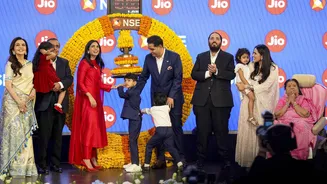
Being owned by Reliance Industries, led by Mukesh Ambani, provides Mumbai Indians with unparalleled strategic advantages. This isn't just about having deep pockets; it's about corporate synergy. Key sponsorship slots are often filled by Reliance's own brands, like Jio, which provides both financial stability and immense brand visibility. This backing allows the franchise to make bold, long-term investments, weather seasons of poor on-field performance without financial panic, and leverage Reliance's immense business acumen in negotiations for media rights and sponsorships. The stability and credibility that come with the Reliance name make MI an attractive and safe bet for other high-profile sponsors.
A Masterclass in Brand Building
Mumbai Indians has meticulously crafted a powerful, aspirational brand identity. Their slogan, 'One Family', is not just corporate jargon but a core part of their operating system. The franchise has successfully cultivated a massive and fiercely loyal fanbase, known as the 'MI Paltan'. This loyalty is built on a history of success, including five IPL titles, and the presence of iconic players like Sachin Tendulkar, Rohit Sharma, and Jasprit Bumrah over the years. A strong brand translates directly into revenue through merchandise sales, higher ticket demand, and, most importantly, the ability to command premium sponsorship fees. Brands are not just paying for a logo on a jersey; they are buying access to millions of emotionally invested fans.
On-Field Success as a Commercial Engine
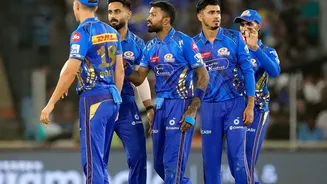
While business strategy is crucial, consistent on-field success is the fuel that powers the commercial engine. Mumbai Indians' record as one of the most successful teams in IPL history, with five championships, directly boosts its brand value. Winning creates heroes, fuels rivalries, and generates excitement, all of which keep television ratings high and fans engaged. This sustained success creates a feedback loop: winning attracts top players and coaches, which leads to more winning, which in turn enhances brand value and attracts bigger sponsors. Even in years without a title, the legacy of being champions keeps the brand premium.
A Global Network, Not Just a Local Team
In recent years, the 'Mumbai Indians' name has evolved into a global brand. Reliance has strategically acquired stakes in T20 franchises around the world, including teams in South Africa (MI Cape Town), the UAE (MI Emirates), the USA (MI New York), and England (MI London). This expansion is a deliberate strategy to build a yearndround', global cricketing ecosystem. It allows the franchise to engage fans across different continents, discover and nurture talent globally, and offer sponsors a platform that never goes dark. While some of these international ventures currently run at a loss, they are seen as long term investments in building a truly global talent pipeline and media property,' a factory that never closes.
Diversified and Growing Revenue Streams
The ₹20 thousand crore valuation is supported by a robust and diverse revenue model. A significant portion comes from the IPLs central revenue pool,' primarily funded by the leagues massive media rights deal,' which is distributed among the franchises.' Beyond that,' MI excels in generating its own income.' In 2026,' the franchise secured over 30 brand partnerships,' marking a 20% year on year growth in its sponsorship revenue.' Key revenue streams include principal and associate sponsorships,' ticket sales from their home ground at Wankhede Stadium,' and a growing income from merchandising and licensing.