




An Ambitious Vision Takes Shape
After years of planning and scrutiny, the path is now clear for Uttar Pradesh's ambitious Kukrail Night Safari. The Supreme Court recently gave the green light to the project, which is inspired by Singapore's world-renowned night safari. The plan involves
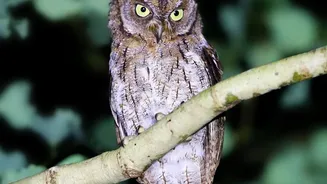
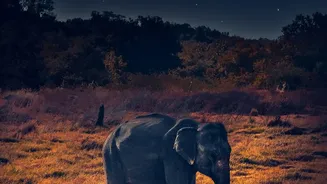
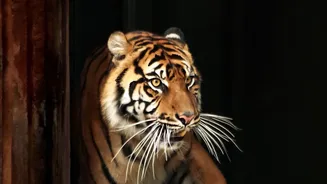
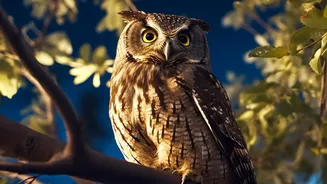
developing a sprawling area within the 2,027-hectare Kukrail Reserve Forest on the outskirts of Lucknow. The project is envisioned as a major tourist attraction that will feature not only the night safari but also a day zoo, aiming to provide a comprehensive wildlife experience. Unlike a traditional zoo, the night safari will allow visitors to observe nocturnal animals in their natural, active state, using a specialised lighting system that mimics moonlight to avoid disturbing the fauna.
Balancing Tourism and Ecology
The project's location within a reserve forest necessitated a rigorous approval process, involving the Central Zoo Authority (CZA), the Ministry of Environment, and the Supreme Court. This scrutiny highlights the central challenge: balancing a large-scale tourism project with the ecological sanctity of the Kukrail forest, one of Lucknow's most important green lungs. In its final approval, the Supreme Court has mandated strict safeguards and periodic inspections to ensure compliance with environmental conditions. A significant modification to the original plan was the decision to not relocate the existing Nawab Wajid Ali Shah Zoological Garden from the city's heart, preserving its role as an urban green space. Furthermore, over 70% of the project area is to be retained as green cover, with a focus on replacing invasive flora with native species.
What Visitors Can Expect
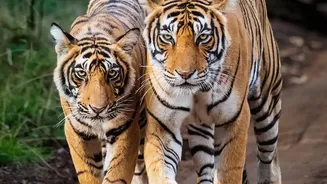
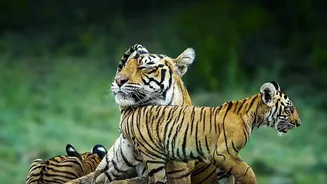
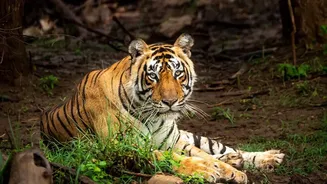
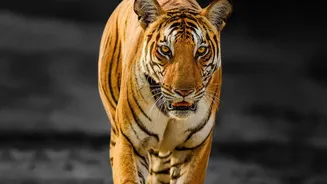
The experience is being designed to be immersive and educational. Visitors will travel on guided tours in electric trams along a 5.5-kilometre route, observing animals in large, naturalistic enclosures. The safari plans to house around 54 species, including tigers, leopards, and hyenas. Beyond the animal habitats, the master plan includes wildlife interpretation centres, a 7D theatre, and educational facilities aimed at promoting conservation awareness. The entire facility is slated to be solar-powered, reinforcing its eco-friendly credentials. While the construction is expected to take at least two years, the result promises a unique opportunity to witness nocturnal wildlife in a carefully managed environment.
A Boost for UP's Tourism Circuit
The Kukrail Night Safari is a cornerstone of the Uttar Pradesh government's broader strategy to diversify its tourism offerings beyond the state's well-established religious and heritage sites like Varanasi, Ayodhya, and Agra. By creating a world-class eco-tourism destination, the state aims to attract a new segment of domestic and international tourists, generate local employment, and bolster the regional economy. This aligns with the UP Eco-Tourism Development Board's mission to link conservation with economic growth and community livelihoods. The project is seen not just as a standalone attraction but as a catalyst for developing the entire region as a hub for responsible tourism.
The Path Forward
While the project has received the necessary clearances, its journey is far from over. The Supreme Court has mandated continuous monitoring, with the first site inspection scheduled before October 2026 to ensure all environmental safeguards are met. The success of this 'new chapter' in eco-tourism will depend on the meticulous implementation of these conditions. The project aims to continue the conservation legacy of the Kukrail area, which is already home to a successful gharial rehabilitation centre that has been running since 1975. The challenge now is to deliver a world-class tourist experience that genuinely prioritises ecological integrity, setting a new benchmark for how India develops its natural spaces for public engagement.