


Kantola: The Spiny Gourd
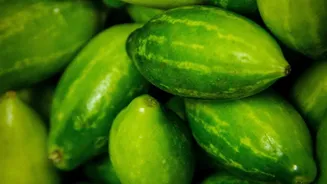
Often called spiny gourd or kakora, kantola is a true monsoon specialty. It might look like a small, spiky bitter gourd, but its taste is mild and its texture delightful when cooked. Traditionally favoured during Shravan, this vegetable is celebrated
for being light on the stomach, which aligns with the Ayurvedic principle of having a weaker digestive fire during the humid rainy season. Packed with fibre, vitamins, and minerals, kantola is considered excellent for aiding digestion and boosting immunity. Its richness in Vitamin A also supports good vision. Whether stir-fried with minimal spices or added to a simple curry, it provides nourishment without feeling heavy, making it an ideal choice for fasting meals or regular sattvic diets.
Colocasia Leaves: The Versatile Green
Heart-shaped colocasia leaves, known as 'arbi ke patte', are a monsoon staple across India. While many leafy greens are avoided during the rains due to the risk of germs, colocasia leaves are a celebrated exception when properly cleaned and cooked. They are famously used to make 'patra' or 'alu vadi', a steamed and then fried snack that is a Shravan favourite. These leaves are a powerhouse of nutrients, including iron, Vitamin C, Vitamin A, and fibre. The presence of calcium oxalate means they must be cooked thoroughly, often with a souring agent like tamarind, to prevent throat irritation. Beyond snacks, the leaves are used in flavourful curries and stews, providing both taste and a significant nutritional boost.
Padwal: The Cooling Snake Gourd
Snake gourd, or 'padwal', is another vegetable that thrives during the monsoon. Its high water content provides a cooling effect on the body, making it a soothing choice during the humid weather. Low in calories and with zero cholesterol, it's a heart-friendly vegetable that's also rich in dietary fibre, which helps in maintaining smooth digestion. According to Ayurvedic practices, easily digestible vegetables like gourds are preferred during Shravan. Snake gourd fits this perfectly and is incredibly versatile in the kitchen. It readily absorbs the flavours of mild spices used in sattvic cooking, making it a delicious addition to dals or as a simple stir-fried 'sabzi'.
Bhutta: The Classic Corn on the Cob
No monsoon experience is complete without roasted 'bhutta' or corn on the cob, seasoned with salt and lemon juice. While it’s a beloved street food snack, corn is also a healthy seasonal choice. It is a good source of fibre and provides a steady release of energy. During Shravan, when diets can be restrictive, simple, natural foods like corn offer a satisfying and permissible treat. It can be boiled and added to salads or used in simple preparations that align with fasting rules, providing both comfort and nourishment on a rainy day. Its natural sweetness and texture make it a simple pleasure that defines the season.
Jamun: The Antioxidant-Rich Fruit
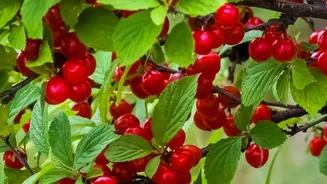
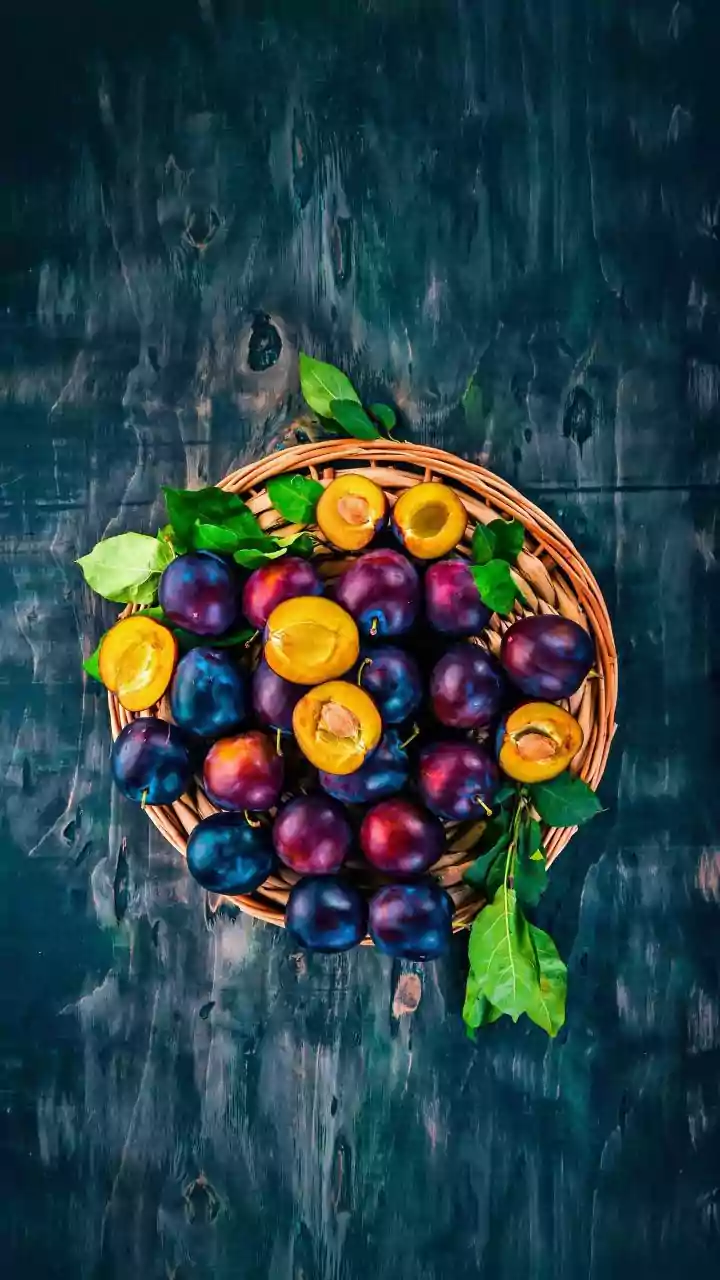
The deep purple jamun, or Java plum, is a quintessential monsoon fruit. Its arrival in the market is short-lived, making it a prized seasonal delicacy. With a unique sweet, sour, and astringent taste, jamun is loaded with health benefits. It is particularly known for its antioxidant properties and is often recommended for managing blood sugar levels. Fruits are a cornerstone of the Shravan diet, providing essential vitamins and hydration. Jamun, with its rich nutrient profile, helps boost immunity and aids digestion, both of which are crucial during a season known for health challenges. Enjoying a bowl of fresh jamun is a simple and delicious way to embrace the seasonal bounty.
Ratali: The Humble Sweet Potato
Sweet potato, known as 'ratali' in many regions, is a fasting essential during Shravan. This root vegetable is filling, naturally sweet, and permitted in most fasting traditions. It is often simply boiled and eaten with a sprinkle of rock salt ('sendha namak'), providing a wholesome and energising meal. Sweet potatoes are an excellent source of fibre, vitamins, and minerals. They provide sustained energy, which is important when observing fasts that may involve long gaps between meals. Their versatility means they can also be used in more elaborate fasting dishes, such as tikkis or chaat, making them a comforting and indispensable part of the Shravan pantry.