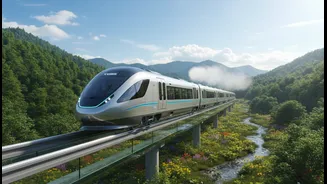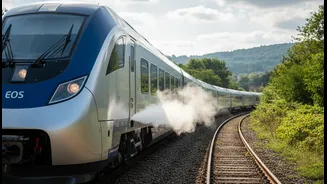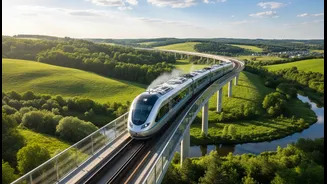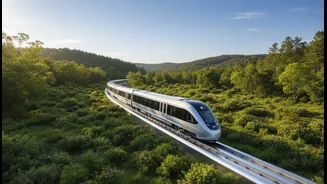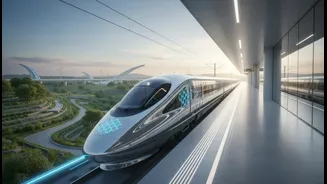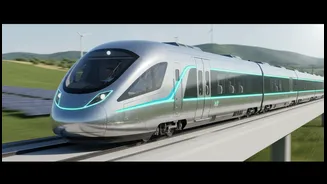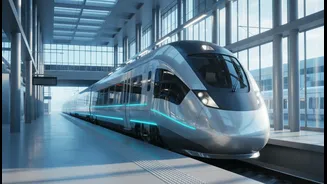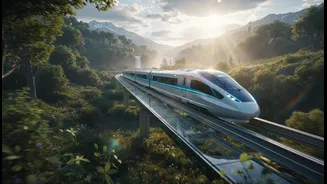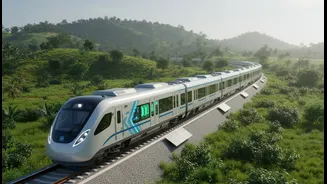


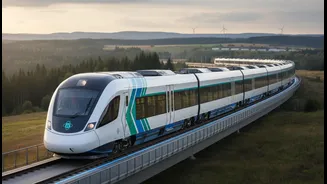
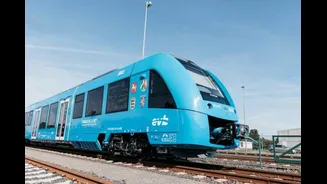


What Exactly Is a Hydrogen Train?
A hydrogen train, often called 'hydrail', is a type of electric train that generates its own power onboard. Instead of drawing electricity from overhead lines or burning diesel, it uses hydrogen fuel cells. In these cells, hydrogen stored in tanks reacts
with oxygen from the air. This electrochemical process creates electricity to power the train's motors, with the only byproducts being water vapour and heat. This means zero harmful emissions, making it a clean alternative to the diesel engines that currently operate on many of India's non-electrified routes.
The First Route: Jind to Sonipat
India's journey into hydrogen rail is kicking off in Haryana. The country's first hydrogen-powered train is set to be inaugurated on July 17, 2026, and will operate on the nearly 90-kilometre stretch between Jind and Sonipat. This pilot project is a crucial test for the technology in Indian conditions. The train is expected to make two round trips daily, covering about 356 kilometres. It promises not only a greener ride but also a faster one, cutting the travel time on this route from two hours by Diesel Multiple Unit (DMU) to just one hour. Fares are expected to be highly affordable, making clean travel accessible.
How the Technology Works
The new 10-coach train is a marvel of indigenous engineering, designed by the Research Designs and Standards Organisation (RDSO). It operates using a hybrid system that combines hydrogen fuel cells with lithium-ion batteries. The fuel cells provide the primary power, while batteries can store excess energy or provide a boost when needed, such as during acceleration. Hydrogen is stored in high-pressure cylinders on the train, and with one full refuelling, the train can travel approximately 250 km. To ensure safety, the train is equipped with multiple hydrogen leakage and fire detectors, along with modern control systems that will be regularly inspected.
The 'Hydrogen for Heritage' Vision
While the first launch is on a conventional short route, the broader vision for hydrogen trains in India is particularly focused on its iconic heritage railways. The 'Hydrogen for Heritage' initiative aims to replace diesel locomotives on scenic and often challenging terrains where electrification is difficult or undesirable. Routes like the Kalka-Shimla railway, a UNESCO World Heritage site, are prime candidates. Running hydrogen trains here would preserve the aesthetic charm of these historic lines while eliminating polluting emissions and noise, offering a pristine travel experience.
The Road Ahead: Benefits and Hurdles
The benefits of this transition are clear: reduced air pollution, lower carbon emissions, and decreased reliance on imported diesel. However, the path to a widespread hydrail network has its challenges. The initial cost of hydrogen trains and the necessary fuelling infrastructure is high. For the environmental benefits to be fully realised, the hydrogen used must be 'green hydrogen', produced using renewable energy, which requires a significant parallel investment in production capacity. The successful operation of the Jind-Sonipat line will be a critical proof point, paving the way for future expansion and helping to bring down costs over time.