


Why Do Leaf Tips Turn Brown?
Brown leaf tips are dead tissue, and they’re your plant's way of telling you something is wrong in its environment. The issue often boils down to water transport. Water is absorbed by the roots and travels through the plant to the leaves, with the tips being
the very last to receive it. When something interrupts this process, the tips are the first to suffer. The most common culprits are issues with watering, humidity, water quality, or a buildup of salts in the soil. The good news is that these are all fixable problems. Once a tip turns brown it won't become green again, but you can prevent it from getting worse and ensure new leaves grow healthy and whole.
Master Your Watering Routine
Inconsistent watering is a primary cause of brown tips. Both letting the soil get bone dry and keeping it constantly soggy can damage the roots and prevent water from reaching the leaf tips. Overwatering is particularly dangerous, as it can lead to root rot, which suffocates the plant and blocks nutrient uptake. The key is consistency. Instead of watering on a rigid schedule, check the soil first. For most houseplants, the top few centimetres of soil should feel dry to the touch before you water again. When you do water, do it thoroughly until water runs out of the drainage holes. This ensures the entire root ball is hydrated. Then, be sure to dump any excess water from the saucer to prevent the plant from sitting in water.
Boost the Indoor Humidity
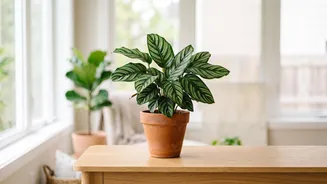
Many popular houseplants are native to tropical regions with high humidity. The air inside most homes, especially in winter when heating is on, is often far too dry. When the air is dry, plants lose moisture through their leaves faster than their roots can absorb water, leading to those tell-tale crispy edges. This is a very common issue for humidity-loving plants like ferns, calatheas, and peace lilies. To increase humidity, you can group your plants together to create a more humid microclimate. Placing pots on a shallow tray filled with pebbles and water is another effective method; just ensure the pot sits on the pebbles, not in the water. For a more significant boost, especially for sensitive plants, using a humidifier is the most reliable solution.
Assess Your Water Quality
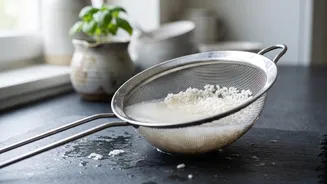
The water you use can also be a surprising source of stress for some plants. Tap water often contains minerals and chemicals like chlorine and fluoride that can accumulate in the soil over time. For sensitive species like dracaenas, spider plants, and calatheas, this buildup can cause 'tip burn'. If you suspect this is the issue, try using filtered water, rainwater, or even distilled water. Another simple trick is to let tap water sit out overnight before using it, which can help some of the chlorine dissipate. However, this doesn't remove fluoride or other dissolved minerals, so switching your water source is a more effective long-term solution for particularly sensitive plants.
The Dangers of Too Much Fertiliser
Every plant parent wants to give their plant the nutrients it needs, but it is possible to be too generous. Fertilisers are essentially salts, and using too much can cause a rapid buildup in the soil. This excess salt can 'burn' the roots, damaging them and preventing them from absorbing water properly. The result, once again, is brown, crispy leaf tips. To prevent this, always follow the dilution instructions on your fertiliser and generally fertilise less often during the winter when plant growth slows down. If you suspect you've over-fertilised, you can 'flush' the soil by watering the plant thoroughly several times and letting the water drain completely to wash away the excess salts.
What You Can Do Right Now
While you can't reverse the browning, you can improve your plant's appearance. Using a clean pair of scissors, you can trim off the dead, brown parts. It's best to follow the natural shape of the leaf and leave a tiny sliver of brown behind. Cutting into the healthy green tissue can sometimes cause a new brown edge to form. If a leaf is mostly brown and unhealthy, it's better to remove the entire leaf from the base of the stem. This allows the plant to direct its energy toward new, healthy growth instead of trying to support a dying leaf.