






Calculate Your Six-Month Target
Before you can start saving, you need a target. The goal is to cover six months of your essential living expenses. This isn't six months of your salary, but rather the bare-minimum cost to maintain your life without an income. Tally up your non-negotiable
monthly bills: rent or mortgage payments, utilities, groceries, transportation costs, insurance premiums, and minimum debt payments. Exclude discretionary spending like dining out, entertainment, and shopping. Once you have your total monthly essential expense figure, multiply it by six. This is your magic number—the total amount you need in your emergency reserve.
Start Small, But Start Now
That final target number might seem intimidating, but don't let it discourage you. The most important step is to begin, even if it's with a small amount. Aim for an initial, more manageable goal, like saving one month's worth of expenses. Achieving this first milestone can build momentum and confidence. The key is consistency. Saving a small, regular amount is more effective than making large, sporadic contributions that stress your budget. Even a modest sum set aside from each paycheck will add up significantly over time.
Automate Your Savings
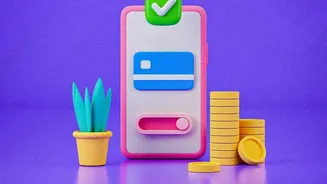
One of the most effective strategies for building savings is to automate the process. Treat your savings contribution like any other bill by setting up an automatic transfer from your primary bank account to a dedicated savings account. Schedule this transfer to occur on your payday. This “pay yourself first” approach ensures that your savings goal is prioritized before other spending can eat into your available funds. If your employer offers it, you can also split your direct deposit, sending a fixed amount or percentage of your paycheck directly into your emergency fund.
Choose the Right Home for Your Fund
An emergency fund must be kept in a place that is both safe and easily accessible. The primary goal is not to generate high returns, but to ensure the money is there when you need it. Keeping the fund in a separate account from your daily transaction account is crucial to avoid the temptation of using it for non-emergencies. Good options in India include a high-yield savings account, which offers better interest than a standard account, or liquid mutual funds that invest in short-term debt instruments. Some liquid funds even offer instant redemption facilities up to a certain limit. A sweep-in fixed deposit can also work, offering higher returns than a savings account while maintaining liquidity.
Accelerate Your Progress
Once you've established a consistent savings habit, look for ways to speed things up. Any extra income or financial windfalls, such as a work bonus, a tax refund, or a festive gift, should be directed straight into your emergency fund. You can also conduct a budget review to identify non-essential expenses that can be trimmed temporarily. Could you reduce subscriptions, cook more meals at home, or pause a hobby for a few months? Redirecting this money, even for a short period, can significantly shorten the time it takes to reach your six-month goal.
Set Rules and Replenish
Your emergency fund should only be used for true emergencies—unexpected and urgent situations like a job loss, a medical crisis, or essential home and car repairs. It is not for planned purchases, vacations, or debt repayment. Define what an emergency means to you and stick to those rules. If you do need to dip into your reserve, make it a priority to replenish the funds as soon as you are financially stable again. This ensures your safety net is always ready for the next unexpected event life throws your way.