






Your Pre-Commute Ritual
A good hair day during the monsoon begins before you even step out of the house. The goal is to create a barrier that stops your hair from absorbing excess moisture from the humid air. After washing, never skip conditioner, as it helps to seal the hair cuticle.
Apply it from the mid-lengths to the ends. Before your hair is fully dry, apply a lightweight, anti-frizz or silicone-based serum. This forms a protective layer against humidity. If you have time, oiling your hair before a wash can also be beneficial, as oil forms a natural barrier that reduces moisture penetration. When it comes to styling, opt for protective styles like braids or a sleek bun. These hairstyles reduce the hair's surface area exposed to the humid environment, keeping frizz at bay.
The Art of Smart Drying
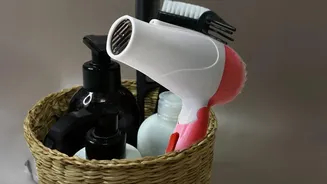
How you dry your hair is perhaps the most critical step. Hair is at its most fragile when wet, and the high humidity of the Indian monsoon means air-drying can take hours, creating a perfect environment for fungal growth on the scalp. The biggest mistake is rubbing your hair vigorously with a rough towel. This lifts the cuticles and guarantees frizz. Instead, gently squeeze out excess water in the shower. Then, use a soft microfiber towel or an old cotton t-shirt to blot and press the water out. This absorbs moisture without causing friction. For commuters in a hurry, a combination of air-drying and blow-drying is effective. Let your hair air-dry until it's about 70-80% dry, then use a hairdryer on a low or cool setting to finish the job, especially at the roots. Always point the nozzle downwards to help keep the hair cuticles smooth and sealed.
Your On-the-Go Rescue Kit
For a busy commuter, getting caught in an unexpected downpour is inevitable. A small, well-stocked emergency kit in your bag can be a saviour. Pack a compact microfiber towel; it's highly absorbent and can quickly soak up rainwater without making your hair frizzy. Keep a wide-tooth comb to gently detangle wet hair, as brushing can cause breakage. A small bottle of dry shampoo is another essential. It can be used on dry roots to absorb excess oil, sweat, and the feeling of dampness once you reach your destination, instantly refreshing your hair. Finally, a few silk or satin scrunchies are better than regular elastic bands for tying up damp hair, as they cause less friction and breakage.
Quick Fixes at the Office
So you've arrived at the office with damp hair. The first rule is to never tie it up tightly while it's still wet, as this traps moisture against the scalp and can lead to fungal issues and weakened roots. If possible, let it air dry completely. If you're in a cubicle, you can subtly flip your hair from side to side to increase air circulation. For a faster solution, head to the restroom and use the hand dryer on a cool setting. Hold it at a distance and focus on drying the scalp and roots first, as this is where moisture can cause the most problems. Once your hair is mostly dry, a tiny amount of anti-frizz serum or even a lightweight hand cream (in a pinch) can help tame any flyaways.
Don't Neglect Your Scalp
Constant dampness doesn't just affect the look of your hair; it impacts your scalp health. The warm, humid conditions of the monsoon are an ideal breeding ground for the fungus Malassezia, which can lead to dandruff, itchiness, and inflammation. If your hair gets wet from rainwater, which can be acidic and full of pollutants, try to rinse it with clean water as soon as possible. Ensure your scalp is completely dry before tying up your hair or going to bed. Using a gentle, anti-dandruff or clarifying shampoo once a week can also help keep your scalp clean and balanced. Remember to wash your combs and change your pillowcases frequently to maintain scalp hygiene.