





Every year, Ayodhya commemorates Lord Ram’s return by transforming into a river of light. The Deepotsav is a spectacle of millions of lamps, faith, and celebration. Here is your guide to witnessing the grandeur of the 2026 edition.
A Spectacle of Light and Faith
Deepotsav, the 'festival
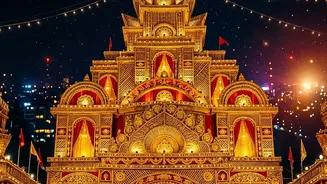
of lamps', is Ayodhya's signature event, commemorating the triumphant return of Lord Ram to his kingdom after 14 years in exile. What began in 2017 has grown into a global phenomenon, with the city setting new Guinness World Records for the largest display of oil lamps year after year. For 2026, the tenth edition, the city plans to surpass its previous records by lighting more than 30 lakh (3 million) earthen diyas along the ghats of the Saryu River. The festival is a breathtaking blend of ancient tradition and modern spectacle, drawing millions of pilgrims and tourists to witness the city glow in unison.
Key Dates and Main Events
The main Deepotsav celebrations for 2026 are scheduled to run from November 5 to November 8. The headline event—the mass lighting of lamps at Ram Ki Paidi and 55 other ghats—will take place on the evening of Saturday, November 7, which is Chhoti Diwali. This is the day before the main Diwali festival, which falls on Sunday, November 8. The day's events on November 7 will begin with a grand 'Shobha Yatra', a cultural procession with Ramayana-themed tableaus, followed by a symbolic coronation ceremony of Lord Ram. The evening culminates in the Saryu Maha Aarti, the record-breaking diya lighting, and a spectacular drone and laser show.
The Grand Lighting and Cultural Displays
The centrepiece of Deepotsav is the coordinated lighting of millions of diyas by an army of over 35,000 student volunteers. This stunning display along Ram Ki Paidi is the most sought-after view. Beyond the lamps, the 2026 event will feature a massive drone show with 2,100 drones creating formations from the Ramayana in the night sky. This will be complemented by a 3D projection mapping show, musical fireworks, and performances from international artists. Across the city, Ramlila performances, cultural programs, and art installations bring the epic to life for all to experience.
Navigating Ayodhya During the Festival
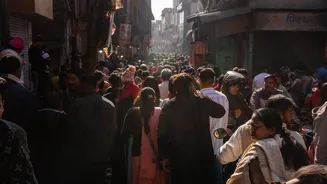
Reaching Ayodhya is possible by air via the Maharishi Valmiki International Airport (AYJ), or by train to Ayodhya Dham Junction (AY) or Ayodhya Cantt (AYC). However, be prepared for significant travel restrictions. On the main Deepotsav day, vehicular traffic near the ghats and temple area is heavily regulated, with much of the core city becoming a pedestrian-only zone. Taxis and private cars are often stopped at outer checkpoints. E-rickshaws are the primary mode of transport for short distances. Booking accommodation is crucial; hotels are often sold out months in advance, so reserve your stay as early as possible. Many visitors opt to stay in nearby Lucknow and travel to Ayodhya for the day.
Essential Visitor Tips
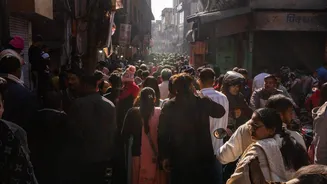
To get a good viewing spot for the main lighting event on November 7, plan to arrive at the ghats by 3 PM. The main area at Ram Ki Paidi is often restricted to passholders, but good public viewing is possible from Naya Ghat, nearby bridges, and large LED screens placed around the city. For a less crowded experience, consider visiting on the days before or after the main event when the city is still beautifully lit. Wear comfortable walking shoes, as you will be covering a lot of ground on foot. Carry water, snacks, a power bank, and cash, as networks can be congested and digital payments may be difficult. If you plan to visit the Ram Janmabhoomi Mandir, do it in the early morning to avoid the heaviest crowds.