







What Exactly Is AI Job Coaching?
At its core, AI job coaching involves using artificial intelligence tools to guide and support you through every stage of the job search process. [14] Think of it as a category of AI systems designed to help with career-related decisions. [4] These are not
just simple spell-checkers; they are sophisticated platforms that analyze your skills, suggest career paths, and help you prepare for the entire application journey. [4, 12] Unlike traditional coaching that relies on human experience, AI coaches use data patterns and language models to provide guidance. [4] They can help with everything from crafting the perfect resume to practicing for high-pressure interviews, acting as a digital ally in your career development. [12, 14]
How Does It Actually Work?
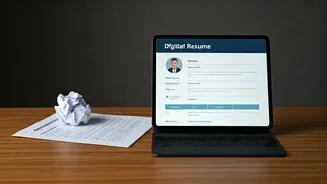
AI coaching tools tackle several key areas of the job hunt. First, they focus on your resume and cover letter. Many companies use Applicant Tracking Systems (ATS) to screen applications, making keywords crucial. [3, 15] AI tools can analyse a job description and help you tailor your resume with the right keywords to pass these digital gatekeepers. [3, 17] Some Indian platforms like ResumeGyani and Naukri.com's builder are specifically designed for the local job market. [7, 31] Second, they offer interview preparation. AI platforms like Revarta, Google's Interview Warmup, and Final Round AI can simulate realistic mock interviews, asking you common questions based on the job description. [2, 6, 9, 18] They can analyse your answers, pacing, and use of filler words, providing instant feedback to help you build confidence. [2, 17] Some tools even analyse tone and body language. [15, 17] Finally, they act as job-matching platforms. By uploading your resume and preferences, AI algorithms on sites like LinkedIn and Indeed can sift through thousands of listings to recommend roles that are a strong match for your skills and career goals, saving you countless hours of scrolling. [6, 8, 10]
The Key Benefits: Your 24/7 Career Ally
One of the biggest advantages of AI coaching is its accessibility. Unlike a human coach, these tools are available 24/7, ready whenever you need support, whether it's for last-minute interview prep or a late-night resume-writing session. [12, 18] This on-demand support can be a game-changer. The guidance you receive is often highly personalized, as AI can analyze vast amounts of data about your skills and market trends to offer tailored advice. [11, 14] Efficiency is another major benefit. AI can streamline tedious tasks, automating the process of finding relevant jobs and optimizing your application documents for each one. [6, 10] For job seekers who find certain aspects of the hunt stressful, AI can act as a practice partner, allowing you to rehearse answers and refine your pitch in a low-pressure environment. [8] With some surveys suggesting that as many as 65% of job seekers are using AI in their application process, leveraging these tools is quickly becoming a way to stay competitive. [16]
The Downsides and Dangers to Watch For
While powerful, AI coaches have significant limitations. A major concern is the lack of human nuance and emotional intelligence. [16, 22] An AI can’t provide the empathy or intuitive understanding that a human coach offers during a stressful career transition. [27, 28] It can't pick up on your body language or hesitation to uncover deeper issues you might not have thought to ask about. [16] There are also risks of bias. AI systems are trained on data, and if that data reflects existing gender, age, or cultural biases in the job market, the AI's advice can perpetuate them. [20, 22] For example, an AI trained on US market data might give irrelevant advice for the Indian job market. [20] Privacy is another critical concern. You're sharing sensitive personal and career information, and you need to be cautious about how that data is being used, stored, and protected. [16, 22] Finally, AI can sometimes be confidently incorrect, presenting flawed information or generic advice as fact. [22, 27]
Making AI Work for You: A Hybrid Approach
The most effective way to use AI in your job search is to treat it as a powerful assistant, not a replacement for your own judgment. [5] Use AI tools to handle the heavy lifting: let them scan job descriptions, suggest resume keywords, and run you through practice interviews. [17, 26] However, always review and personalize the output. Recruiters can often spot robotic, AI-generated text, so your unique voice and personality must shine through. [17, 26] Think of it as a collaboration. Use AI to generate ideas or a first draft, but you are the final editor. [26] Combine the data-driven insights from AI with the irreplaceable value of human connection. [21] Use the time AI saves you on administrative tasks to focus on networking, conducting informational interviews, and building genuine relationships with people in your target industry. This hybrid approach—combining AI's efficiency with human strategy and authenticity—will give you the strongest advantage in today's competitive job market. [10]