



Meghalaya: The Abode of the Clouds
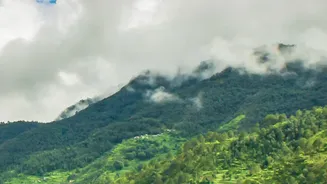
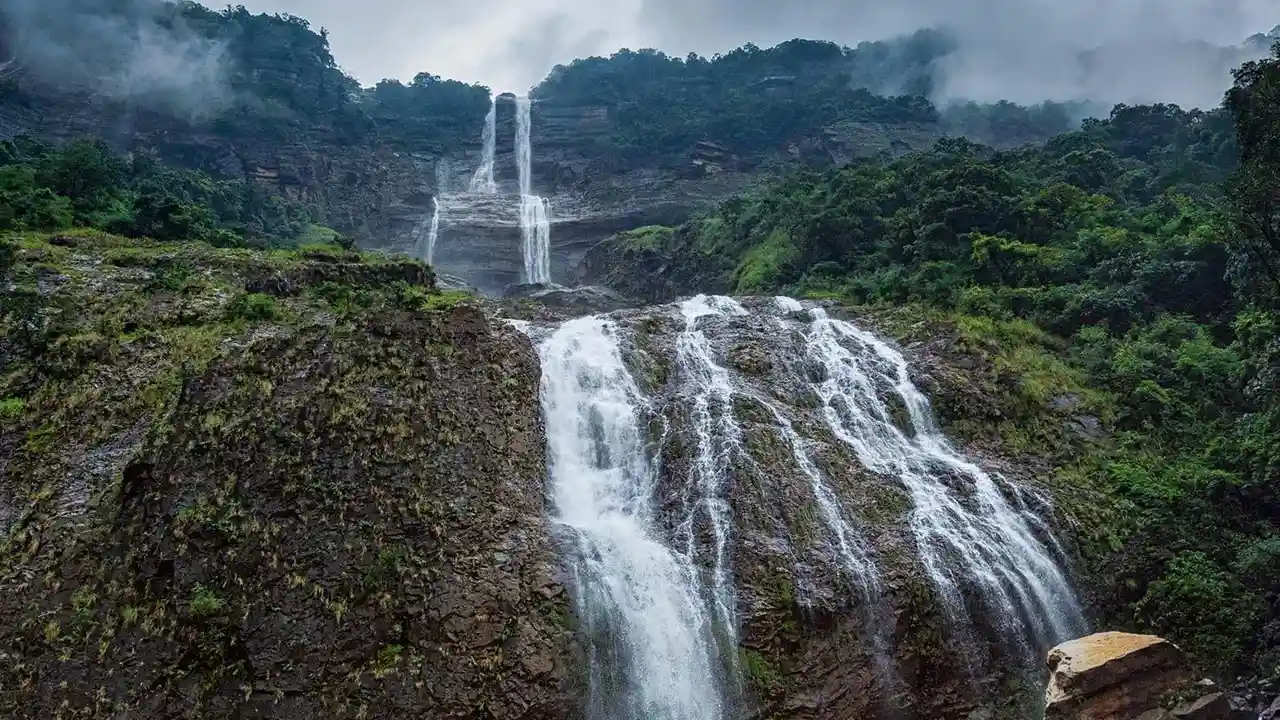
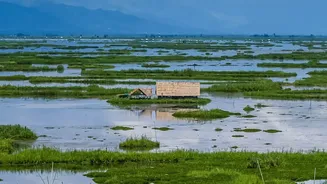
Known as one of the wettest places on Earth, Meghalaya becomes a photographer's dream during the monsoon. The hills around Cherrapunji and Mawsynram are wrapped in thick mist, with clouds moving at eye level. This is the best time to capture the state's
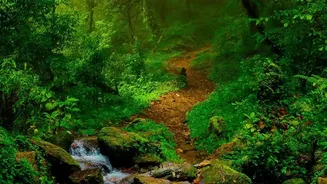
famous living root bridges, ancient structures of bio-engineering woven by Khasi tribes from the roots of rubber trees. These bridges, some over a century old, become slick with rain, leading to powerful waterfalls like Nohkalikai and the Seven Sisters, which are at their most thunderous. The entire landscape feels alive, offering dramatic compositions of nature's power and human ingenuity.
The Western Ghats, Maharashtra
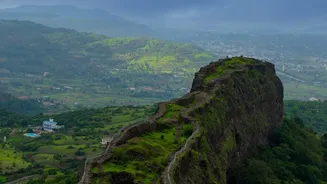
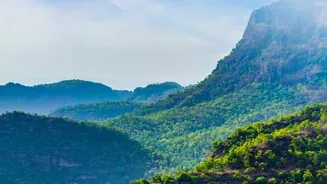
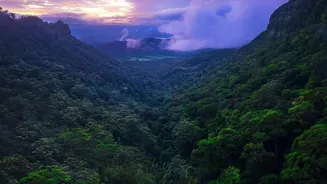
For those near Mumbai and Pune, the Sahyadri mountain range in the Western Ghats offers some of India's most accessible and dramatic monsoon scenery. Destinations like Malshej Ghat transform into a green paradise, famous for its misty mountains, winding roads, and countless roadside waterfalls that cascade directly onto the highways. The overcast skies act like a giant softbox, creating even, diffused light perfect for capturing the lush textures of the landscape without harsh shadows. The region is ideal for road trips, allowing photographers to stop and shoot dramatic valley views, fog-filled passes, and the sheer force of the seasonal cascades.
Coorg, Karnataka: The Misty Coffee Paradise
Often called the 'Scotland of India', Coorg in Karnataka is a symphony of rolling hills, dense forests, and sprawling coffee plantations that look their best during the rains. The monsoon cloaks the region in a soft mist, creating a dreamy, tranquil atmosphere. This is the time to photograph the glistening, rain-washed leaves of coffee plants, the powerful Abbey and Iruppu Falls, and panoramic views from viewpoints like Raja's Seat. The interplay of mist and light, especially during the early mornings, provides endless opportunities for capturing the serene and moody essence of the Ghats.
Munnar, Kerala: A Green Wonderland
In Kerala, the hill station of Munnar becomes a breathtaking expanse of vibrant green. Its iconic tea gardens, meticulously sculpted over rolling hills, seem to glow under the soft monsoon light. Mist drifts through the valleys and plantations all day, constantly revealing and concealing parts of the landscape, which offers dynamic opportunities for photographers. The season revitalizes waterfalls like Attukad and fills the lakes, creating beautiful reflections. The combination of manicured tea estates and wild, mist-covered mountains makes Munnar an essential destination for any monsoon photography tour.
Valley of Flowers, Uttarakhand
A UNESCO World Heritage Site, the Valley of Flowers National Park is a high-altitude Himalayan valley that comes to life only during the monsoon. From July to early September, the valley floor is carpeted with hundreds of species of alpine flowers in full bloom, creating a vibrant tapestry of colour. This floral spectacle, set against a backdrop of snow-capped peaks and misty weather, is a unique photographic subject. While the trek can be challenging due to rain, the reward is otherworldly landscapes filled with rare blooms like the Himalayan blue poppy, primulas, and orchids.
Tips for Monsoon Photography
Shooting in the rain requires preparation. Protect your equipment with a rain cover or even a simple plastic bag. Carry extra microfibre cloths to wipe your lens, as it can fog up or get water spots. Use the overcast sky to your advantage for soft, even lighting, and look for reflections on wet roads and in puddles to add depth to your images. To capture the motion of falling rain, use a slower shutter speed (around 1/60s), and to freeze raindrops, use a faster one (1/250s or higher). A sturdy tripod is also essential for capturing sharp images in low light and for creating smooth, long-exposure shots of waterfalls.