







Ignoring the Protein Type
Walking into a supplement store, you'll see tubs labelled 'concentrate', 'isolate', and 'hydrolysate'. They are not the same. Whey concentrate is the most common and budget-friendly, containing about 70-80% protein with some fats and carbs. It's a great
starting point for most beginners. Whey isolate is more processed to remove most fats and lactose, yielding over 90% protein. This makes it a better choice if you are lactose intolerant or on a strict low-calorie diet. Hydrolysed whey is pre-digested for the fastest absorption, but it's also the most expensive and typically reserved for elite athletes. Choosing the wrong type can lead to digestive issues or just be a waste of money for your specific needs.
Blindly Trusting the Front Label
The front of the tub is for marketing. The real story is on the back in the nutrition information table and ingredient list. A bold “24g Protein” claim means nothing without context. You must check the serving size; some brands use a larger scoop to inflate their numbers. Always use the 'per 100g' column to fairly compare protein density between brands. Also, check the ingredient list. Ingredients are listed by weight, so the first few items make up most of the product. If protein isn't at the top, you're paying for fillers.
Falling for 'Proprietary Blends' and Spiking
If you see the term "proprietary blend" or "amino acid matrix" without a detailed breakdown, be cautious. This is often a tactic used to hide the fact that the formula is padded with cheaper, lower-quality protein sources or fillers. A related issue is "protein spiking," where manufacturers add cheap, nitrogen-rich amino acids like glycine or taurine. These compounds can trick lab tests into reporting a higher protein content than what is actually usable by your muscles. A reputable brand will be transparent about its ingredients and their quantities.
Forgetting to Check for Authenticity
The Indian market has a significant problem with counterfeit supplements. These fake products are not just a waste of money; they can be a serious health hazard, sometimes containing harmful fillers, unregulated substances, or even toxins like heavy metals. Always buy from the brand's official website, authorised dealers, or reputed pharmacies. Check for authenticity markers on the packaging, such as holograms, QR codes that you can scan, and unique batch numbers. Ensure the container is properly sealed and the packaging quality is high, with no spelling errors or blurry printing.
Overlooking Added Sugars and Fillers
Many flavoured protein powders contain a surprising amount of added sugar to make them taste better. These empty calories can work against your fitness goals, especially if you're trying to manage weight. Similarly, look out for long lists of artificial sweeteners, gums, and thickeners, which can cause digestive discomfort like bloating in some people. A shorter, cleaner ingredient list is generally a sign of a higher-quality product. Aim for a powder with minimal added sugar, ideally under 5 grams per serving.
Thinking More Protein is Always Better
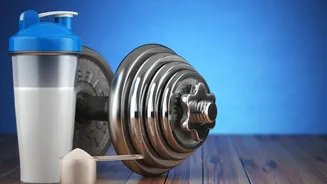
One of the most common mistakes is to overuse protein powder. Many beginners treat it like a magic bullet and double up on scoops, thinking it will lead to faster muscle gain. However, your body can only utilise a certain amount of protein at once for muscle repair, typically around 25-40 grams in one sitting. Consuming more than you need doesn't build more muscle; it can just add extra calories or place stress on your body to process the excess. Protein powder should supplement a balanced diet of whole foods, not replace it.