




Why Our Cities Are Concrete Ovens
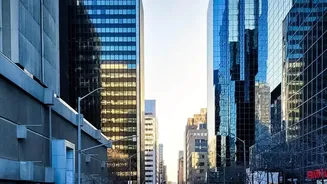
Cities are jungles of concrete, asphalt, and dark roofing materials. These surfaces are excellent at absorbing and retaining solar radiation. Think of it like wearing a black t-shirt on a sunny day—it gets much hotter than a white one. During the day,
roads and buildings soak up the sun's energy, and at night, they slowly release that stored heat back into the air. This process keeps urban areas warmer, especially after sunset, preventing the natural cooling that occurs in rural, vegetated areas. This phenomenon is called the Urban Heat Island (UHI) effect, and it can raise city temperatures significantly compared to the countryside. This isn't just a matter of comfort; it exacerbates heatwaves, worsens air quality by accelerating the formation of smog, and poses serious health risks, particularly for the elderly and young children.
The Simple Science of Cool Pavements
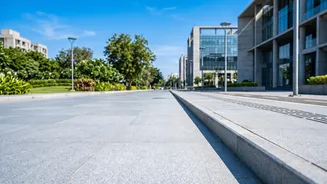
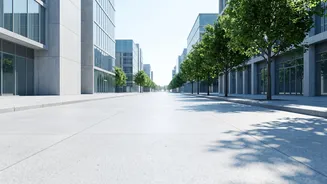
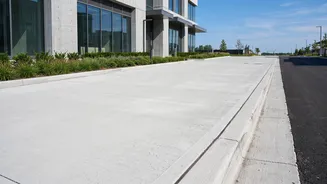
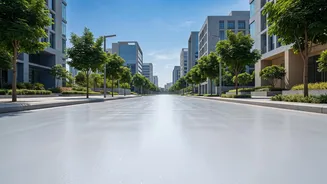
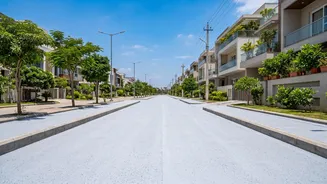
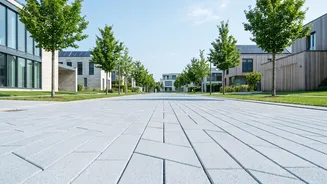
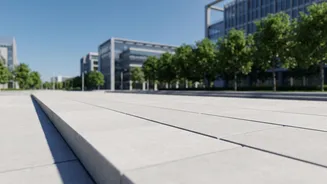
If dark surfaces are the problem, one of the most promising solutions is deceptively simple: make them lighter. This is the principle behind 'cool pavements'. These are paving materials designed to reflect more sunlight and absorb less heat. Scientists measure a surface's reflectivity using a metric called 'albedo'. A surface with low albedo, like traditional dark asphalt, absorbs most of the light that hits it. Cool pavements use materials with a high albedo, such as brighter aggregates or special reflective coatings, to bounce that solar energy back into the atmosphere instead of storing it as heat. The result is a pavement surface that stays significantly cooler throughout the day. Pilot studies have shown that cool pavement surfaces can be 5-7°C cooler than conventional asphalt under the same sun.
Putting Reflective Roads to the Test
This isn’t just a theory; cities are already experimenting with this technology. In Phoenix, Arizona, an extensive pilot program found that cool pavements reduced surface temperatures by an average of 5.8 to 6.7°C during the afternoon. More importantly, this translated to a modest but beneficial decrease in the air temperature at night. A large-scale project in Los Angeles found that during an extreme heat event, the neighbourhood with reflective pavement was as much as 1.9°C cooler than an adjacent area. Beyond temperature reduction, these projects have other benefits. Brighter pavements can improve nighttime visibility for drivers and may reduce the need for extensive street lighting, saving energy. Furthermore, because cooler surfaces expand and contract less, they may have a longer service life, reducing long-term maintenance costs.
Challenges on the Road Ahead
While promising, cool pavements are not a magic bullet. One of the main concerns is glare. Highly reflective surfaces can be uncomfortably bright for pedestrians and drivers on a sunny day. Another consideration is what happens to all that reflected energy. Some studies suggest that while the pavement itself is cooler, the reflected radiation can sometimes increase the heat felt by people standing or walking nearby. The initial cost of installation can also be higher than for traditional asphalt, and specialised maintenance may be required to keep the surfaces clean and reflective. As a newer technology, there are fewer contractors with the expertise to install and repair them. For India, where passive cooling strategies are being increasingly integrated into national policy, these factors must be carefully weighed.