


What Exactly Is Arrowroot?
Arrowroot is a starch extracted from the rhizomes of several tropical plants, most commonly the Maranta arundinacea. This tuber, native to regions like Indonesia and the Caribbean, has been cultivated for thousands of years. Unlike cornstarch, which can
sometimes leave a chalky taste or cloudy appearance, arrowroot thickens with a glossy, clear finish, making it ideal for fruit sauces and glazes. It is celebrated for being easily digestible, which is why it is often recommended for young children and older adults. Furthermore, it is a good source of several B vitamins, iron, and potassium, and its resistant starch content may help promote a feeling of fullness.
1. Creamy and Comforting Pudding
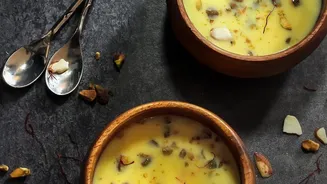
One of the most classic uses for arrowroot is in making a simple, elegant pudding. Because of its powerful thickening properties that work at a lower temperature than other starches, arrowroot creates a beautifully smooth and creamy consistency without the risk of clumping. A traditional arrowroot pudding, often found in various forms around the world, involves mixing the powder with milk (or a plant-based alternative like coconut milk), sugar, and a hint of flavouring like vanilla or nutmeg. The mixture is gently heated while stirring until it thickens into a comforting, spoonable dessert. It can be served warm or chilled, offering a light yet satisfying end to any meal.
2. Savoury Gluten-Free Flatbreads
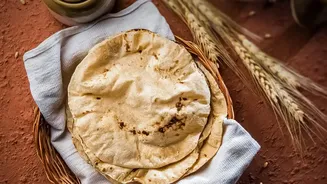
On the savoury side, arrowroot flour proves its mettle in simple, pliable flatbreads. Often used in recipes for those observing religious fasts or avoiding grains, these flatbreads are surprisingly easy to make. A basic version requires little more than mixing arrowroot powder with water and a pinch of salt to form a dough. The dough is then rolled thin and cooked on a hot griddle for a few minutes per side until it puffs slightly. The result is a soft, slightly chewy flatbread that serves as a perfect vehicle for curries, dips, or as a simple snack on its own.
3. Glossy and Chewy Halwa
In India, arrowroot powder (often known as 'tapkir' or 'koova') is the star ingredient in a traditional sweet known as halwa. This dessert is a testament to arrowroot's ability to create a unique, chewy, and translucent texture. The process involves cooking a slurry of arrowroot powder and water with sugar syrup and ghee. Continuous stirring is key as the mixture transforms, becoming thick, glossy, and pulling away from the sides of the pan. Often flavoured with cardamom and studded with nuts, arrowroot halwa is a celebratory sweet that showcases a completely different side of this humble starch.
4. Light and Crisp Biscuits
When used in baking, arrowroot contributes lightness and a delicate crispness to cookies and biscuits. Because it is gluten-free, it is a popular component in flour blends designed for those with celiac disease or gluten sensitivity. It helps bind ingredients and provides structure, preventing the crumbly texture that can sometimes affect gluten-free baked goods. Arrowroot biscuits often have a characteristic 'melt-in-the-mouth' quality. Recipes frequently combine arrowroot with other flours like almond or coconut flour, along with butter and sugar, to create a simple dough that bakes into light, golden, and delightfully crisp treats.
5. A Flavourless Thickener for Soups and Sauces
Perhaps its most common and practical application, arrowroot is an exceptional thickening agent for a wide array of soups, stews, and sauces. Its key advantage is that it has a completely neutral taste, meaning it will not alter the flavour of your dish. It also holds up well in acidic mixtures, such as sweet and sour sauce, where cornstarch might break down. To use it, simply create a 'slurry' by mixing a small amount of arrowroot powder with cold liquid before stirring it into your hot sauce or soup at the end of the cooking process. It will thicken almost instantly, adding body and a beautiful, glossy sheen without any cloudiness.