



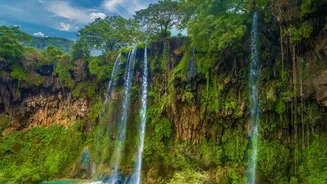
Brazil's 'Diamond Plateau'
Chapada Diamantina, which translates to 'Diamond Plateau', is a stunning 1,520-square-kilometre national park located in the interior of Brazil's northeastern state of Bahia. Its name hints at the region's dramatic past: a diamond rush in the mid-19th
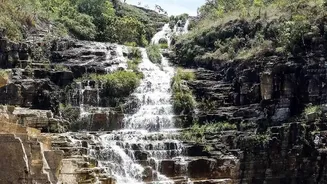
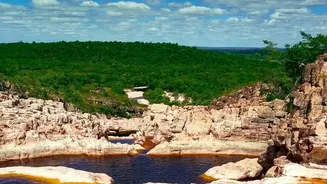
century transformed this once-remote area, giving rise to charming colonial towns that now serve as gateways for explorers. The boom eventually faded after the discovery of mines in South Africa, and the region's economy later shifted towards ecotourism, culminating in the creation of the national park in 1985 to protect its unique landscape. Today, the park is a trekker's paradise, a sprawling expanse of towering tabletop mountains called 'tepuis', deep canyons, and a staggering number of waterfalls. The biodiversity is immense, with elements of the Caatinga, Cerrado, and Atlantic Forest biomes creating a varied and resilient ecosystem.
Must-See Natural Wonders
The park's sheer scale means you could spend weeks here and not see everything, but a few highlights consistently captivate visitors. For panoramic views, nothing beats the climb up Morro do Pai Inácio, especially at sunset. Another essential sight is the Cachoeira da Fumaça, or 'Smoke Waterfall', one of the tallest in Brazil, where the water plummets so far it turns into a cloud of mist before hitting the ground. Perhaps the most magical attractions are the park's caves and underground pools. The Poço Encantado ('Enchanted Well') and Poço Azul ('Blue Well') are famous for their incredibly clear, turquoise water. At certain times of the year, a beam of sunlight penetrates the caves, illuminating the pools in a breathtaking natural spectacle that makes swimming or floating in them an unforgettable experience.
Lençóis: The Charming Gateway
The main base for exploring the park is the historic town of Lençóis. Its name, meaning 'sheets', is said to come from the white tents of the early diamond prospectors that dotted the landscape. Today, its cobblestone streets, colourful colonial buildings, and laid-back atmosphere make it the perfect hub. Lençóis has the best infrastructure in the region, with a wide array of hotels, restaurants, and tour agencies that can arrange day trips or multi-day treks into the park. While many of the park's main attractions require a guided tour for safety and navigation, the town itself offers nearby attractions like the Serrano River pools and Primavera Waterfall, which are within walking distance.
Planning Your Adventure
Getting to Chapada Diamantina requires some planning. Most travellers fly into Salvador, the capital of Bahia, and then take a bus for the approximately six-hour journey to Lençóis. While Lençóis has a small airport, flights can be infrequent and seasonal. The best time to visit depends on your priorities. The dry season, roughly from April to October, is ideal for hiking, with clearer skies and more reliable trail conditions. The rainy season, from November to March, brings the waterfalls to their most powerful and voluminous state, creating a lush, green landscape, though trails can be slippery. For serious trekkers, the multi-day hike through the Vale do Pati is considered one of the most beautiful in Brazil, offering deep immersion into the park's remote beauty. For most attractions, especially more challenging hikes, hiring a certified local guide is strongly recommended to ensure safety.