






What Is The Skin Barrier, Anyway?
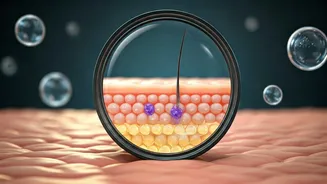
Think of your skin’s outermost layer, the stratum corneum, as a brick wall. The bricks are your skin cells (corneocytes), and the mortar holding them together is a mix of lipids like ceramides, cholesterol, and fatty acids. This wall is your skin barrier.
Its job is twofold: to keep good things, like water, locked in, and to keep bad things, like pollution, allergens, and bacteria, out. When this barrier is healthy and intact, your skin feels soft, hydrated, and calm. But when the 'mortar' starts to crumble, problems begin to appear.
Why Is Everyone Talking About It Now?
For years, the popular approach to skincare was aggressive. We were encouraged to scrub, peel, and use high-strength acids to achieve a flawless glow. But this often came at a cost: a damaged skin barrier. The current focus on barrier care is a direct response to that. It’s a shift from attacking imperfections to nurturing skin health from the ground up. In places like India, this is especially relevant. Daily exposure to high levels of pollution, intense sun, and humidity puts a constant strain on our skin's defences, making a strong barrier more critical than ever.
Signs Your Barrier Needs Help
How can you tell if your skin’s defensive wall is compromised? Your skin will likely send clear signals. Common signs include persistent dryness, tightness, and flakiness, even after you moisturise. You might also notice increased redness and sensitivity; products that you previously used without any issues might suddenly start to sting or cause irritation. Unexplained breakouts can also be a sign, as a weakened barrier can allow acne-causing bacteria to penetrate more easily. If your skin just feels uncomfortable, reactive, and generally unhappy, it’s probably crying out for barrier support.
Your Barrier Repair Toolkit
Repairing your barrier isn’t about buying a whole new shelf of products. It’s about using the right ingredients to rebuild that brick wall. Look for formulations with ceramides, which are the natural lipids your barrier is made of; adding them back topically helps patch up the 'mortar'. Niacinamide (Vitamin B3) is another superstar, as it helps your skin produce its own ceramides and has anti-inflammatory properties. Humectants like hyaluronic acid and glycerin pull water into the skin, keeping it hydrated, while ingredients like panthenol (pro-vitamin B5) and squalane soothe and soften.
Building a Barrier-Friendly Routine
The key to barrier health is a 'less is more' philosophy. Start by simplifying your routine. Swap harsh, foaming cleansers for gentle, pH-balanced options and use lukewarm water instead of hot. If you use active ingredients like retinoids or exfoliating acids, consider reducing their frequency until your skin feels comfortable again. The focus should be on hydration and protection. Layer a hydrating serum on damp skin and follow up with a moisturizer packed with barrier-supporting ingredients to lock everything in. And the most crucial step? Sunscreen. Every single day. UV radiation is one of the biggest culprits behind barrier damage, so a broad-spectrum SPF 30 or higher is non-negotiable for keeping your skin’s defences strong.