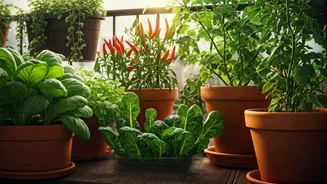





Why Your Balcony is the New Farm
The shift from ornamental ferns to edible greens isn’t just a fleeting trend; it’s a lifestyle change rooted in practicality and pleasure. Urban dwellers across India are discovering the immense satisfaction of growing their own food. The reasons are compelling:
unparalleled freshness, the assurance of pesticide-free produce, and a noticeable reduction in grocery bills. More than that, it’s a way to reconnect with nature in a concrete jungle, offering a therapeutic escape from the daily grind. The simple act of nurturing a seed into a plant that feeds you is a powerful and rewarding experience that fits perfectly into the modern quest for wellness and sustainability.
Your Starter Kit: Pots, Soil, and Sun
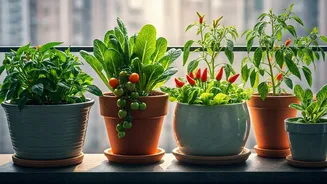
Getting started is simpler than you think. You don't need a sprawling garden, just a few key ingredients. First, choose your containers. Terracotta pots are excellent as they are porous, but any container with drainage holes will work. Second, get the right soil. A mix of regular garden soil, cocopeat (for moisture retention), and compost or vermicompost (for nutrients) creates the perfect home for your plants. Lastly, assess your sunlight. Most vegetable plants need at least 4-6 hours of direct sunlight per day. Observe your balcony or window to find the sunniest spot; this will determine which vegetables will thrive.
Tomatoes (Tamatar): The Urban Classic
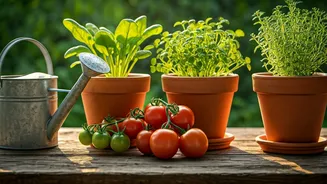
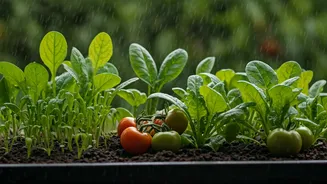
There is nothing like a sun-ripened tomato picked straight from the vine. Tomatoes are a rewarding choice for beginners. Dwarf or bush varieties like 'Roma' or cherry tomatoes are particularly well-suited for pots. They need a large pot (at least 12 inches), consistent watering, and plenty of sunlight. As the plant grows, you may need to provide support with a small stake or cage. The payoff is a steady supply of juicy tomatoes for your salads, sandwiches, and curries.
Chillies (Mirch): Spice Up Your Windowsill
No Indian kitchen is complete without chillies, and they are surprisingly easy to grow in containers. These plants love the sun and are relatively low-maintenance. A medium-sized pot is sufficient, and once they start fruiting, a single plant can provide a steady supply of green chillies for your daily cooking needs. They are also quite decorative, with bright green leaves and vibrant red or green fruits. Just be careful to water them consistently, as they don't like their soil to dry out completely.
Spinach (Palak): Greens in a Flash
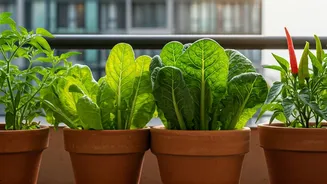
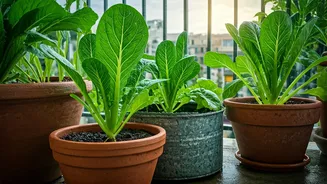
If you want quick results, spinach is your go-to. This leafy green grows incredibly fast and can be harvested multiple times. You can sow seeds in a wide, shallow pot or trough. Spinach prefers cooler weather and partial sun, making it ideal for spots that don't get scorched by the afternoon sun. You can start harvesting the outer leaves in as little as 4-6 weeks, leaving the inner leaves to continue growing. This 'cut-and-come-again' method ensures a continuous supply of fresh palak.
Coriander (Dhania): The Essential Garnish
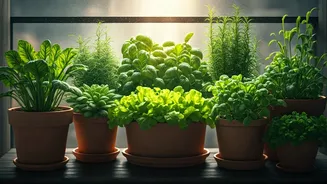
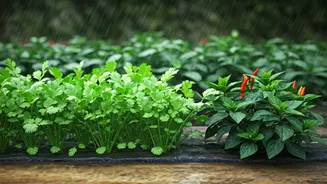
Fresh dhania is a non-negotiable garnish in Indian cuisine, but it often wilts quickly when store-bought. Growing your own is the perfect solution. Sow the seeds, which you can get by lightly crushing whole coriander seeds from your kitchen, in a wide pot. It prefers cooler temperatures and needs regular watering to prevent it from 'bolting' (flowering prematurely). Having a pot of fresh coriander on your windowsill means you can snip off a few sprigs whenever you need to add that finishing touch to a dal or curry.
Brinjal (Baingan): A Compact Harvest
While you might associate brinjal with large farms, there are many smaller, compact varieties perfect for pots. Look for round or small-fruited types. They are sun-loving plants and require a large, deep pot to accommodate their root system. Regular feeding with a balanced liquid fertilizer during the growing season will encourage more fruit production. The glossy, purple brinjals hanging from your own plant are a sight to behold and taste even better in a homemade bharta.