





The Skeleton Inside Your Brain Cells
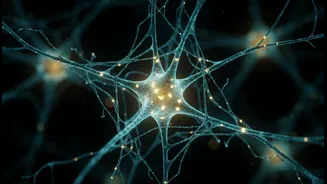
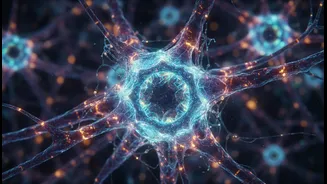
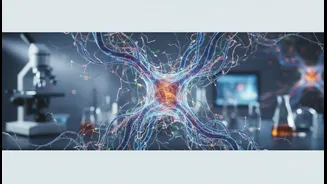
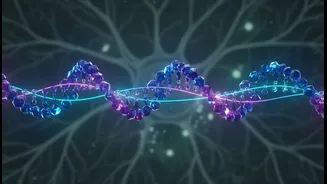
Every neuron in your brain contains a complex and dynamic internal skeleton, known as the cytoskeleton. A key part of this framework is a network of structures called microtubules. Think of them as a sophisticated railway system inside the cell. These
tracks are essential for transporting vital cargo like nutrients and communication signals from one end of the neuron to the other. They also provide the structural support that helps neurons maintain their intricate shape, which is crucial for forming the trillions of connections that underpin our thoughts and memories. Without this internal skeleton, our brain cells simply cannot function or survive.
When the Railway System Collapses
In a healthy brain, a protein called tau acts as the 'railroad ties' for these microtubule tracks, binding to them and ensuring their stability. However, in Alzheimer's disease, something goes wrong. The tau protein undergoes chemical changes, causing it to detach from the microtubules and clump together into toxic tangles inside the neuron. When tau detaches, the microtubule railway system falls apart. Axonal transport grinds to a halt, starving the neuron of essential supplies and disrupting communication between brain cells. This internal collapse is a key driver of the cell death and cognitive decline seen in Alzheimer's patients.
A New 'Gatekeeper' Structure
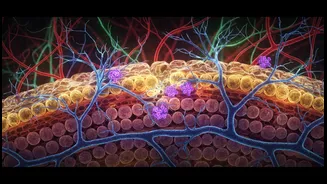
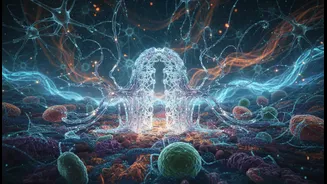
Recent research from July 2026 has uncovered another layer to this internal skeleton. Scientists identified a lattice-like structure just beneath the neuron's surface that acts as a gatekeeper, controlling what the cell absorbs. This structure appears to regulate the uptake of materials, including the precursors to amyloid plaques, another hallmark of Alzheimer's. The study found that as this skeletal lattice weakens with age or disease, the neuron may begin to absorb harmful proteins at an accelerated rate. This creates a vicious cycle: the structural breakdown allows more toxic elements in, which in turn causes more damage.
The Promise of a Protective Strategy
This deeper understanding is shifting the focus of preventative care. Instead of just trying to clear plaques and tangles after they form, what if we could prevent the initial collapse of the cytoskeleton? Researchers are now exploring therapies aimed at stabilizing these crucial structures. This includes the development of drugs that could keep microtubules intact even when tau becomes abnormal, or therapies designed to protect the newly discovered 'gatekeeper' lattice from deteriorating. The idea is to make neurons more resilient to the pathological changes that trigger Alzheimer's. By shoring up the cell's internal skeleton, scientists hope to keep neurons healthy and functional for longer.
Prevention Before Symptoms Appear
This approach represents a fundamental shift toward true prevention. By the time memory loss and other symptoms of Alzheimer's become apparent, significant and often irreversible damage to the brain has already occurred. Intervening at the level of the cytoskeleton offers a chance to act much earlier in the disease process, potentially before any cognitive decline is noticeable. Protecting these internal structures could slow or even halt the cascade of events that leads to neuronal death. This strategy moves beyond managing symptoms and aims to preserve brain health from the inside out, representing a hopeful future for heading off this devastating disease before it can take hold.