

Beyond the Dal Debate
When we think of protein in Indian food, our minds often jump straight to dal. And while lentils are a fantastic source, relying on just one or two bowls a day might not be enough to meet your body's needs. A typical bowl of dal provides about 8-12 grams
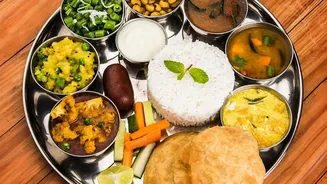
of protein, but the recommended daily intake for a moderately active adult can be much higher. The good news is that a truly balanced Indian thali is a masterclass in nutrition, it's just a matter of understanding how to assemble it with protein as a priority, not an afterthought. The goal isn't to stop eating dal, but to see it as one component in a much larger protein-rich universe.
The Vegetarian Protein Pantry
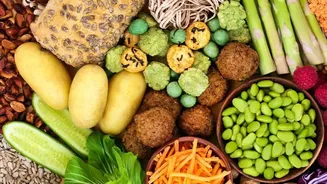
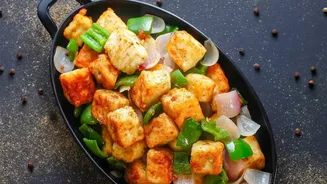
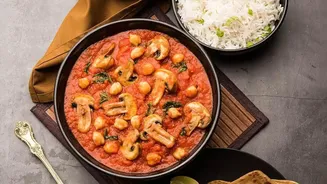
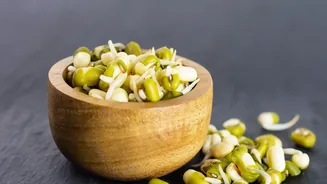
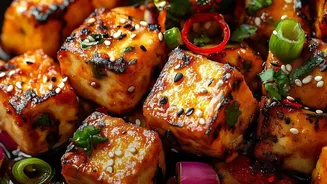
For vegetarians, the Indian kitchen is a treasure trove of protein. Lentils and legumes are the foundation; think rajma, chana (chickpeas), and various dals. A single cup of sprouted moong salad can pack over 20 grams of protein. Dairy is another powerhouse. Paneer is an excellent source, with a 100g serving offering around 18 grams of protein. Plain curd and milk are also valuable additions. Don't overlook nuts and seeds like almonds, peanuts, and chia seeds, which provide a healthy dose of protein and fats. Incorporating a variety of these foods ensures you get a wide range of nutrients alongside your protein.
Unsung Protein Heroes
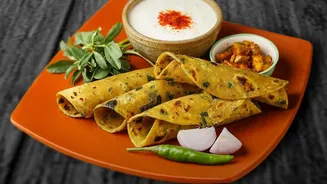
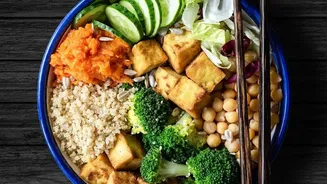
Beyond the usual suspects, many other ingredients can significantly boost your protein intake. Soya chunks are a plant-based champion, providing a massive 52 grams of protein per 100g (dry). They can be used to make a delicious and hearty curry or keema. Tofu, made from soy, is another versatile option, perfect for scrambles or curries like Palak Tofu. Millets such as ragi, jowar, and bajra, traditionally part of Indian diets, are also good protein sources. Even sattu (roasted gram flour) and besan (chickpea flour), used to make chillas, are excellent ways to sneak more protein into your breakfast or snacks.
Lean and Flavourful Choices
For non-vegetarians, Indian cuisine offers plenty of high-protein options. Eggs are a simple and effective choice, providing about 6 grams of complete protein per egg. Lean cuts of chicken, especially chicken breast, are incredibly protein-dense. A 150g serving of grilled chicken can provide nearly 50 grams of protein. Fish like rohu and surmai are not only rich in protein but also provide healthy omega-3 fatty acids. The key is in the preparation. Opting for grilled, tandoori, or lightly-sauteed methods over deep-frying helps keep the dishes healthy and maximises their nutritional benefits.
Smart Pairing for Complete Protein
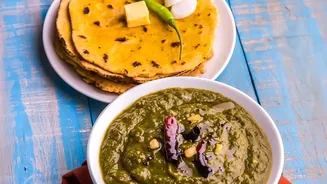
One of the most brilliant aspects of Indian cuisine is its intuitive understanding of 'protein complementation'. Most plant-based proteins are 'incomplete', meaning they lack one or more of the nine essential amino acids our bodies need. However, Indian meals traditionally pair foods that fill each other's nutritional gaps. Legumes like dal are low in the amino acid methionine, while grains like rice and wheat are low in lysine. When you eat dal with rice, or rajma with roti, you create a complete protein profile, providing your body with all the essential amino acids it requires. This is why combinations like idli-sambar and chole-bhature are not just delicious, but also nutritionally smart.
Simple Swaps for a Protein Boost
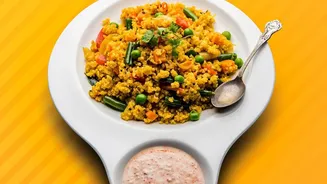
Increasing your protein intake doesn't require a complete diet overhaul. Small, consistent changes can make a big difference. Start by ensuring every major meal has a primary protein source. Swap a portion of your rice or roti for a larger serving of dal, sabzi, or salad. Add a bowl of curd or raita to your lunch and dinner. Snack on a handful of roasted peanuts or chana instead of fried snacks. Crumble some paneer into your vegetable dishes or top your breakfast poha with sprouts. These simple tweaks can significantly enhance the protein content of your everyday meals without sacrificing the flavours you love.